White Knight
27.9567°N 34.4000°E · reef
White Knight is a coral reef dive site in the Sinai Peninsula area of the northern Red Sea, Egypt. Situated near Sharm el-Sheikh, the site features a gently sloping reef profile with abundant hard coral coverage and good fish diversity that makes it a reliable intermediate-level dive.
Overview
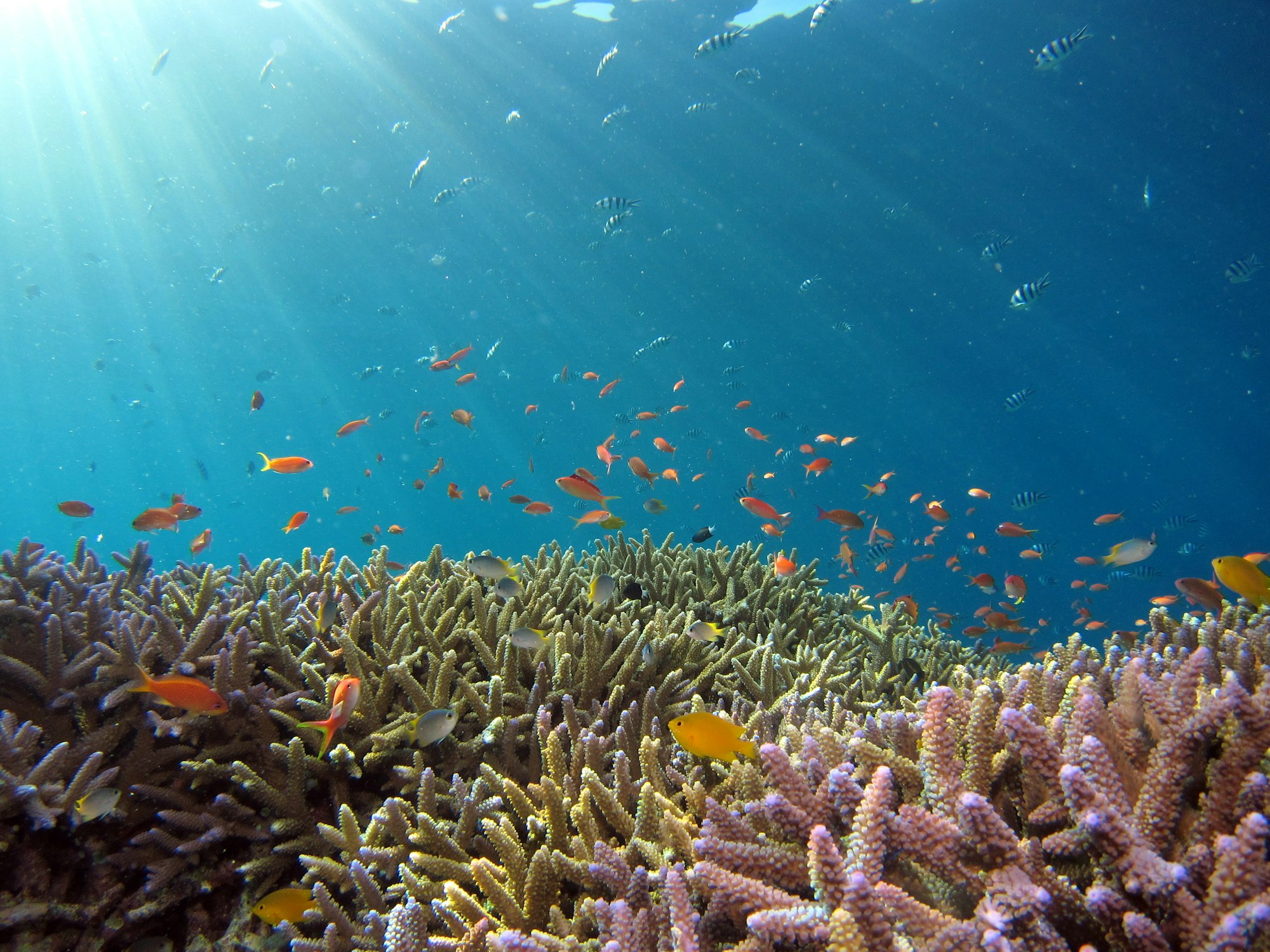
White Knight lies within the broader Sharm el-Sheikh diving area and is known for its healthy staghorn and table coral formations that dominate the upper reef slope. The site takes its name from the pale, bleached appearance of the exposed coral skeleton visible in certain sections, though live coral coverage remains strong throughout the main reef structure. Conditions are generally mild with occasional gentle current that can be used for a relaxed drift along the reef slope. The site is regularly visited by dive boats from Na’ama Bay operators and sees moderate traffic during the high season.
Site Information
- Location: Sharm el-Sheikh area, Sinai Peninsula, Red Sea, Egypt
- Entry Type: Boat dive
- Site Type: Reef
- Difficulty Level: Intermediate
- Maximum Depth: 20 meters
- Typical Visibility: 20-30 meters (65-100 feet)
- Current: Light to moderate
- Best Time: September to May
Marine Life
White Knight hosts a typical Sinai reef community with good density and variety. Anthias cloud the upper coral formations in large numbers. Reef fish including surgeonfish, wrasse, triggerfish, and pufferfish are routinely sighted. Moray eels inhabit the crevices and are frequently spotted by attentive divers. Sea turtles are occasionally seen resting on the larger coral heads, particularly in the early morning. humphead wrasse pass through periodically. Stonefish and scorpionfish blend into the reef rubble zones and require careful attention.
Dive Profile
The dive begins on the mooring or via drift entry, descending to the reef slope at 15-20 meters. Work along the slope heading north or south depending on conditions and current direction. The mid-reef zone from 8-15 meters offers the densest coral coverage and highest fish concentration. Ascend gradually to the reef flat at 3-5 meters for the safety stop, which provides opportunity to spot small reef creatures in the shallows.
Entry and Exit
Boat access from Sharm el-Sheikh or Na’ama Bay operators. Standard back roll or giant stride entry. Pickup at the surface marker after the safety stop. Conditions at the surface are typically calm in the protected Sharm el-Sheikh bay area, making entries and exits straightforward.
Tips and Recommendations
- Take time searching the reef rubble zones carefully for well-camouflaged scorpionfish and stonefish
- Early morning dives often produce better light conditions and calmer surface weather
- The upper reef at 5 meters is worth lingering on during the safety stop for small critters
- Bring a torch to check under ledges for sleeping reef fish during morning dives
- Moderate currents make this an occasional drift dive — coordinate with the boat on pickup point
Safety Considerations
Stonefish and scorpionfish are well-camouflaged on the reef substrate; never stand on or touch the reef. Fire coral is present throughout the shallower sections. Lionfish inhabit overhangs — watch hands and feet when approaching coral structures. Carry an SMB and ensure the boat knows your entry and expected exit location. In mild current conditions the dive can drift, so communicate pickup arrangements clearly.
Photography
White Knight provides solid wide-angle shooting opportunities on the coral formations and resident fish life. Anthias swarms around the coral heads are ideal for ambient-light reef scenes. Macro subjects include nudibranchs, cleaner shrimp, and small gobies. Stonefish, when safely spotted, make compelling cryptic subjects. Morning light filtering down through the clear water produces the best natural reef images.
Sources: Divezone - Red Sea, Dive the World - Egypt Red Sea, Red Sea Scuba Diving, PADI - Diving in Egypt. Last updated 2026-04-04.
Sea-surface temperature and wave height from Open-Meteo Marine (ERA5 reanalysis, monthly averages).
221 verified species observations (104 species) logged within ~11 km of this site between 1968 and 2022, from the Ocean Biodiversity Information System.
- Grampus griseus · Risso's dolphin
- Stenella attenuata · Pantropical spotted dolphin
- Rhincodon typus · Whale Shark
- Tursiops truncatus · Common bottlenose dolphin
- Stenella longirostris · Spinner dolphin
- Tursiops · Bottlenose dolphins
- Tursiops aduncus · Indian ocean bottlenose dolphin
- Stenella · Spinner dolphins
- Silhouettea aegyptia
- Trimma flavicaudatum
- Bathygobius fuscus
- Istigobius decoratus
Scientific survey records skew toward sampled taxa (molluscs, corals) and do not reflect what you are guaranteed to see on a dive.
Source: OBIS (obis.org), aggregated Darwin Core occurrence records.
Conditions change with the tide and the season. If you have dived this site, share what it was actually like — date, visibility, current, and what you saw. Real, recent reports from divers are exactly what this guide is built to collect.
Send a conditions report ›