Wreck JAckson ExposedWreck
28.0117°N 34.4736°E · reef
The exposed wreck on Jackson Reef is the skeletal remains of the Lara, a 137.5-metre Cypriot cargo vessel that ran aground on the northern side of Jackson Reef in November 1982. Its rusting hull is visible above the waterline and is one of the most photographed shipwrecks in the Red Sea. Jackson Reef is the northernmost of the four Tiran reef systems in the Straits of Tiran.
Overview
The Lara began life as the refrigerated cargo ship Nopal Trader, built in Kiel, Germany in 1956, measuring 137.5 metres in length with an 18-metre beam. She changed names several times — Krohn Trader, Aghios Lefteris, Crest Lion — before being sold and renamed Lara in 1980. She ran aground on Jackson Reef’s northern side in November 1982. Salvage operations in the mid-1990s removed external hull plating and cut away sections that fell into deep water, leaving a skeleton of the former ship. The main debris field descends from approximately 40 metres, with the mast reaching 48 metres — technical diving territory. Shallow hull sections scattered near the reef surface are accessible to recreational divers at 10–20 metres.
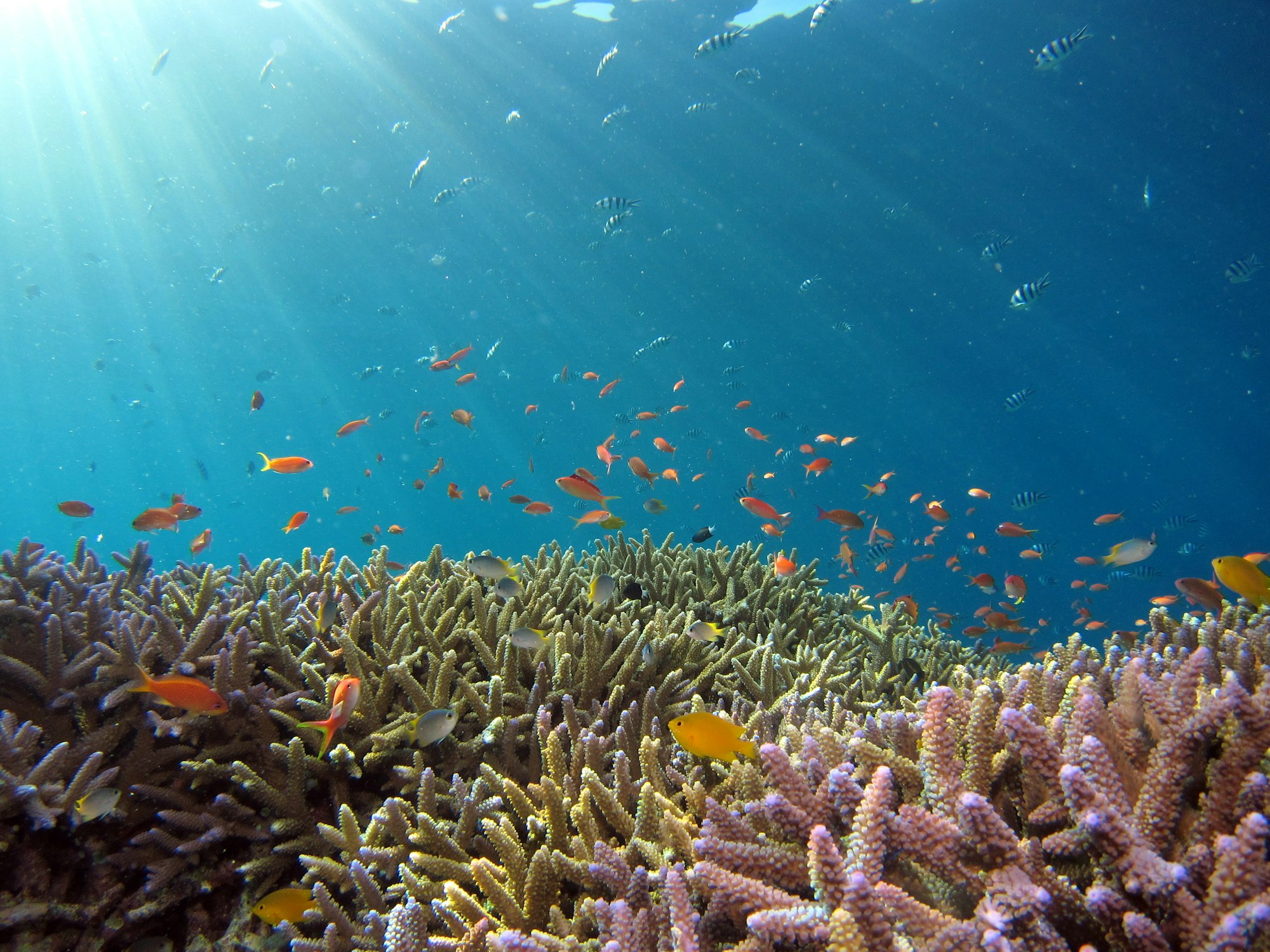
The reef wall itself is equally celebrated: the southern side drops to 40 metres and features crevices sheltering sea turtles, lyretail cod, and groupers. The northern point, near the wreck, is where scalloped hammerhead sharks concentrate in the blue water — most reliably July through September, at depths between 10 and 30 metres. Grey reef sharks, whitetip reef sharks, trevally, and barracuda are also regularly seen.
Wreck History
- Vessel: Lara (ex Nopal Trader, ex Krohn Trader, ex Aghios Lefteris, ex Crest Lion)
- Built: 1956, Kiel, Germany; 7,103 GRT refrigerated cargo vessel
- Dimensions: 137.5 m length, 18 m beam
- Grounded: November 1982, Jackson Reef northern side (28° 00′ 43″ N / 34° 28′ 26″ E)
- Salvaged: Mid-1990s — hull plating removed; sections cut and fell to depth
- Current state: Skeletal above-water hull; debris field from ~40 m into technical depth range
Dive Profile
- Recreational zone: 10–20 m (scattered hull sections near reef top)
- Technical zone: 40–48+ m (mast, main debris field — requires tec certification)
- Reef wall: Down to 40 m on southern side
- Visibility: 20–30 m typically
- Currents: Strong, particularly on northern side — drift-dive experience required
Marine Life
Scalloped hammerhead sharks (especially July–September), grey reef sharks, whitetip reef sharks, sea turtles, lyretail cod, groupers, barracuda, trevally, snapper, triggerfish, blue-spotted stingrays.
Entry and Exit
Boat only. Strong currents at the northern point make this an advanced site. Boats typically moor on the calmer southern side for reef diving.
Safety
Strong and unpredictable currents prevail at the northern reef tip. The wreck debris at depth is strictly for technical divers with appropriate training and equipment. Always carry a surface marker buoy.
Site Information
- Location: Jackson Reef, northern Straits of Tiran, Sinai Peninsula
- Entry Type: Shore entry
- Site Type: Reef
- Difficulty Level: Intermediate
- Maximum Depth: 48 m (wreck mast); recreational to 30 m on reef wall
Sources: The Red Sea Wreck Project — Lara, The Scuba News — The Lara, Dive The World — Straits of Tiran, Circle Divers — Jackson Reef. Last updated 2026-05-17.
Sea-surface temperature and wave height from Open-Meteo Marine (ERA5 reanalysis, monthly averages).
164 verified species observations (73 species) logged within ~11 km of this site between 1968 and 2023, from the Ocean Biodiversity Information System.
- Grampus griseus · Risso's dolphin
- Stenella attenuata · Pantropical spotted dolphin
- Tursiops truncatus · Common bottlenose dolphin
- Stenella longirostris · Spinner dolphin
- Tursiops · Bottlenose dolphins
- Tursiops aduncus · Indian ocean bottlenose dolphin
- Bathygobius fuscus
- Istigobius decoratus
- Stenella · Spinner dolphins
- Rhincodon typus · Whale Shark
- Meiacanthus nigrolineatus
- Trimma avidori
Scientific survey records skew toward sampled taxa (molluscs, corals) and do not reflect what you are guaranteed to see on a dive.
Source: OBIS (obis.org), aggregated Darwin Core occurrence records.
Conditions change with the tide and the season. If you have dived this site, share what it was actually like — date, visibility, current, and what you saw. Real, recent reports from divers are exactly what this guide is built to collect.
Send a conditions report ›