Wreck Sha'b Ali
27.7954°N 33.8554°E · reef
The dive site known as Wreck Sha’b Ali refers to the anchorage area associated with the SS Thistlegorm, the most famous shipwreck in the Red Sea. The Thistlegorm is a 128-metre British WWII cargo vessel that was sunk by German bombers at anchor near Sha’b Ali (Shag Rock) in October 1941 and now lies in 30 metres of water, still packed with military hardware.
Overview
The SS Thistlegorm left Glasgow on 2 June 1941 bound for Alexandria, Egypt, carrying war supplies for British forces. Due to German and Italian activity in the Mediterranean, the convoy sailed south around the Cape of Good Hope and up the East African coast into the Red Sea. The ship moored at Safe Anchorage F near Sha’b Ali after a canal collision prevented progress, where she remained until 6 October 1941. That night, German Heinkel He 111 bombers, returning from a raid on Suez, located and targeted the convoy. Two 2.5-tonne bombs struck hold 4 near the stern. The explosions — intensified by the ammunition stored in hold 4 — sank the ship, killing four sailors and five DEMS gunners. Nine lives were lost in total.
Discovered in the early 1950s by Jacques Cousteau using information from local fishermen, the Thistlegorm remained largely unknown until featured in his films. It is now one of the most-dived wrecks in the world.
The wreck lies in two sections on a roughly even keel. The bow sits upright at approximately 16 metres; the stern section is twisted 90 degrees and rests on its port side at 30–32 metres. The cargo holds contain an extraordinary inventory: Bedford trucks, BSA and Norton motorcycles, Bren gun carriers, cases of Lee-Enfield rifles, aircraft parts, Wellington boots, and two LMS Stanier Class 8F steam locomotives in the collapsed hold 4. The locomotive wheels and frames are among the most iconic images in dive photography.
Wreck History
- Vessel: SS Thistlegorm (built 1940, Glasgow)
- Type: British cargo freighter; 4,898 GRT
- Length: 128 metres
- Sunk: 6 October 1941 by German Heinkel He 111 bombers; 9 crew killed
- Discoverer: Jacques Cousteau, early 1950s
- Depth: 16–32 m (bow shallowest, stern deepest)
- GPS: 27° 48′ 31″ N, 33° 55′ 7″ E
Dive Profile
- Depth range: 16–32 m (recreational; propeller and deepest stern at ~32 m)
- Visibility: 15–30 m
- Currents: Generally mild at this location
- Penetration: Extensive — holds are open and navigable with a torch; advanced training recommended for internal penetration
Marine Life
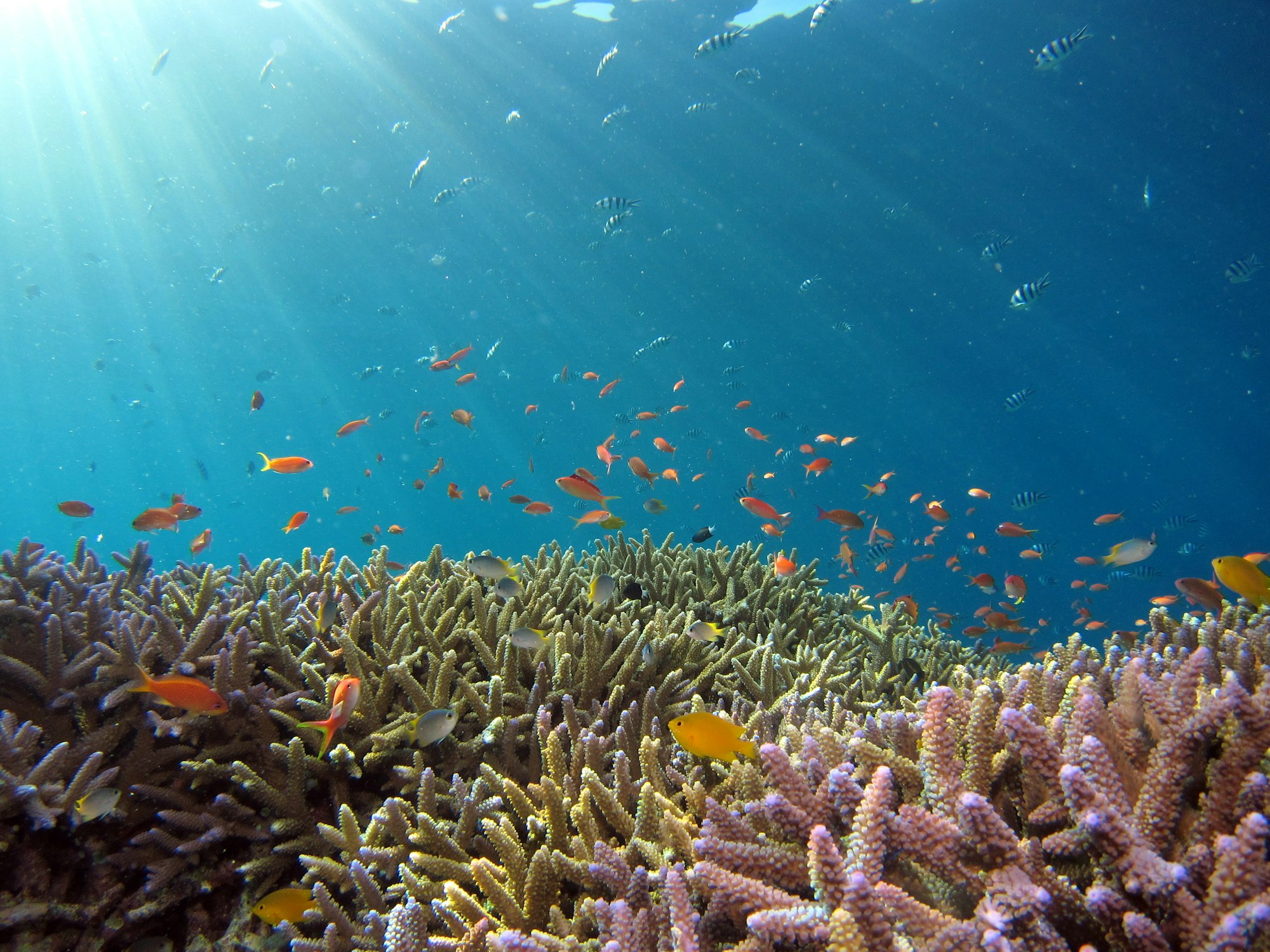
The wreck has been encrusted with corals over 80+ years and supports dense populations of glass fish (glassfish swarm in the holds), lionfish, groupers, crocodilefish, and moray eels. Schools of trevally and barracuda patrol the exterior. Turtles and reef sharks are occasional visitors.
Photography
One of the world’s great underwater photography locations. The motorcycles in hold 2, the locomotives in hold 4, the gun mounts at the stern, and the overall scale of the wreck make it outstanding for wide-angle photography.
Entry and Exit
Boat only. Typically reached on a full-day or liveaboard trip from Sharm El Sheikh or Hurghada (2–3 hours each way). Up to 8 hours at the site allows two dives. The site can be crowded — early arrival is recommended.
Safety
Penetration of the holds requires a torch and basic wreck navigation training. The stern section orientation can disorient divers unfamiliar with the layout. Night dives are available and produce excellent macro photography opportunities.
Site Information
- Location: Sha’b Ali (Shag Rock), northern Strait of Gubal
- Entry Type: Shore entry
- Site Type: Reef
- Difficulty Level: Intermediate
- Maximum Depth: 32 metres
Sources: Wikipedia — SS Thistlegorm, Circle Divers — SS Thistlegorm, Blue Force Fleet — Thistlegorm, Dive The World — SS Thistlegorm. Last updated 2026-05-17.
Sea-surface temperature and wave height from Open-Meteo Marine (ERA5 reanalysis, monthly averages).
57 verified species observations (4 species) logged within ~11 km of this site between 1965 and 2014, from the Ocean Biodiversity Information System.
- Tursiops aduncus · Indian ocean bottlenose dolphin
- Tursiops · Bottlenose dolphins
- Tursiops truncatus · Common bottlenose dolphin
- Clausocalanus farrani
Scientific survey records skew toward sampled taxa (molluscs, corals) and do not reflect what you are guaranteed to see on a dive.
Source: OBIS (obis.org), aggregated Darwin Core occurrence records.
Conditions change with the tide and the season. If you have dived this site, share what it was actually like — date, visibility, current, and what you saw. Real, recent reports from divers are exactly what this guide is built to collect.
Send a conditions report ›