Zabargad Jetty
23.6186°N 36.2038°E · reef
Zabargad Jetty is a dive site located at Zabargad Island (also known as St. John’s Island or Geziret Zabarghad) in the far southern Red Sea off the Egyptian coast. Zabargad is a remote, uninhabited island famous historically as the world’s primary source of peridot gemstones, and its dive sites are celebrated for pristine coral and outstanding marine life at one of the least-visited locations in the Egyptian Red Sea.
Overview
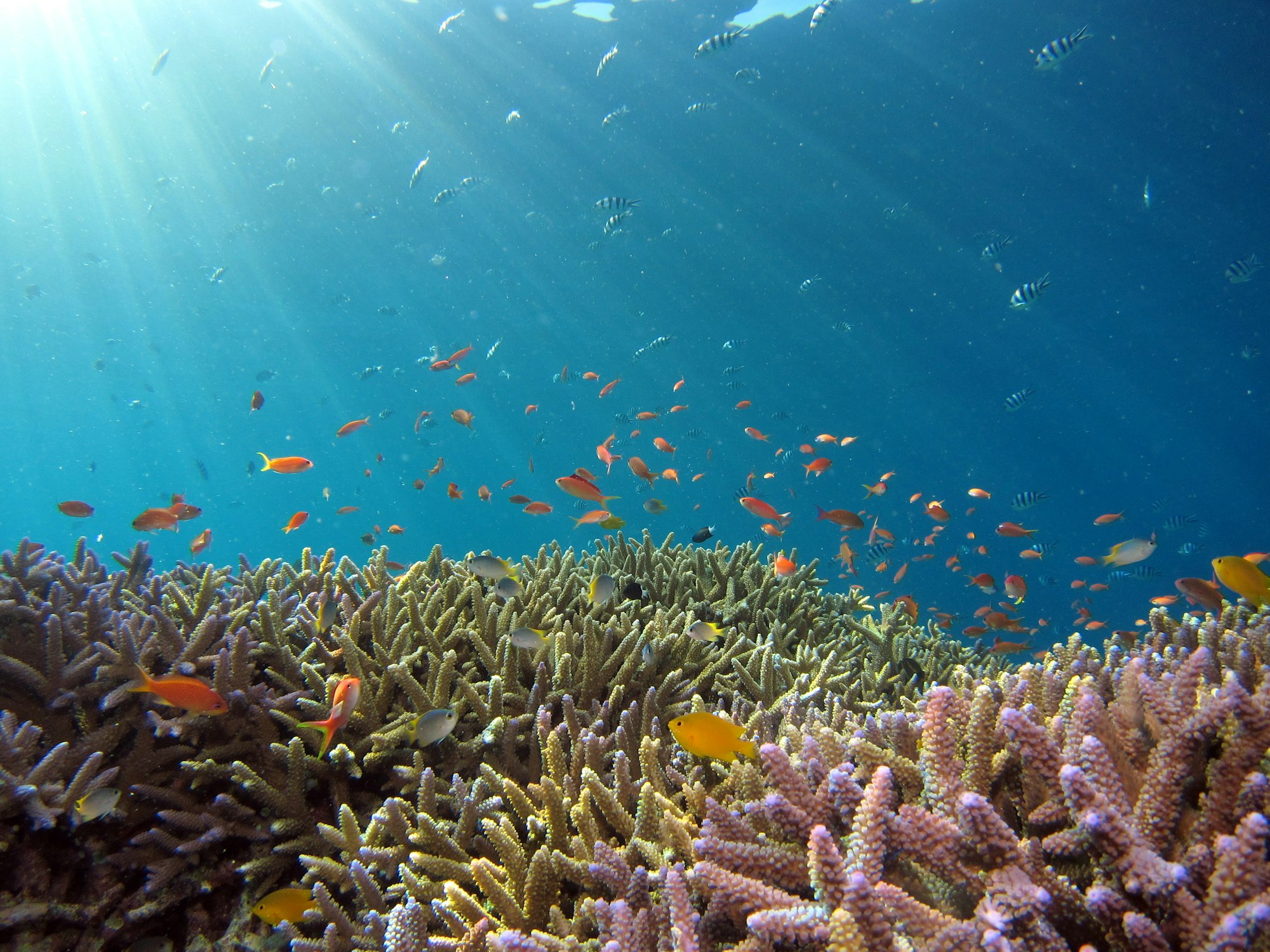
Zabargad Island lies approximately 100 kilometers east-northeast of Berenice and is accessible only by liveaboard. The island features a small, sheltered lagoon with the remains of an old jetty, which has become an artificial reef structure in its own right. The jetty pilings and debris are encrusted with coral and attract large concentrations of fish. The wider reef area around the island is part of a protected zone with exceptional coral health. Because Zabargad can only be reached by multi-day liveaboard, it sees very limited diver traffic and the marine environment remains close to pristine.
Site Information
- Location: Zabargad Island, Southern Red Sea, Egypt (liveaboard access only)
- Entry Type: Boat dive
- Site Type: Reef
- Difficulty Level: Intermediate
- Maximum Depth: 20 meters
- Typical Visibility: 25-40 meters (80-130 feet)
- Current: Light to moderate
- Best Time: October to May
Marine Life
The sheltered waters around the jetty support one of the most impressive marine communities in the southern Red Sea. Hammerhead sharks are regularly seen schooling in the blue water around Zabargad, with early morning dives offering the best encounters. Manta rays visit seasonally. Dolphins are a near-constant presence in the protected lagoon. Green and hawksbill turtles rest and forage on the reef. The jetty pilings themselves are colonized by large grouper, moray eels, lionfish, and dense schools of glassfish. Dugongs have been reported in the area. humphead wrasse cruise the reef edge and are frequently approachable.
Dive Profile
Enter near the old jetty structure and explore the encrusted pilings and debris at 10-18 meters before working out to the natural reef slope. The reef drops gradually to 20 meters with excellent coral coverage throughout. Plan to spend time in the shallower sections on the way back, particularly around the base of the jetty where fish concentration is highest. Complete the safety stop in the clear, calm waters of the lagoon.
Entry and Exit
Liveaboard access only. Zodiac tender drop from the liveaboard, with boat pickup after the dive. Conditions in the sheltered anchorage at Zabargad are typically very calm. Coordinate carefully with the liveaboard crew as the remoteness of the site means there are no alternative support options.
Tips and Recommendations
- Early morning dives often produce hammerhead and manta ray encounters in the open water around the island
- Spend time searching the jetty pilings carefully — fish density here is exceptional
- Zabargad is remote; carry additional safety equipment and ensure the liveaboard has full emergency preparedness
- Night dives around the jetty can be spectacular with cuttlefish, octopus, and sleeping reef fish
- The peridot gemstone history of the island makes for interesting topside exploration between dives
Safety Considerations
The extreme remoteness of Zabargad Island is the primary safety consideration. The nearest significant medical facilities are many hours away. Dive conservatively and plan all profiles with this in mind. Conditions in the open water beyond the lagoon can be more challenging than within the sheltered anchorage. Always carry a signaling device — whistle, mirror, and SMB — and ensure the liveaboard has your dive plan before descending.
Photography
Zabargad’s exceptional visibility and pristine reef condition make it a top photography destination on southern Red Sea liveaboards. The jetty pilings provide dramatic wide-angle subjects with fish schools framed against the clear blue. Hammerhead shark encounters in open water offer rare opportunities for pelagic shots. Macro work on the encrusted debris reveals nudibranchs, flatworms, and crustaceans not commonly found at more heavily dived sites. Night dives add cuttlefish and octopus to the portfolio.
Sources: Divezone - Red Sea, Dive the World - Egypt Red Sea, Red Sea Scuba Diving, PADI - Diving in Egypt. Last updated 2026-04-04.
Sea-surface temperature and wave height from Open-Meteo Marine (ERA5 reanalysis, monthly averages).
9 verified species observations (3 species) logged within ~11 km of this site between 2004 and 2013, from the Ocean Biodiversity Information System.
- Stenella longirostris · Spinner dolphin
- Pseudorca crassidens · False killer whale
- Tursiops · Bottlenose dolphins
Scientific survey records skew toward sampled taxa (molluscs, corals) and do not reflect what you are guaranteed to see on a dive.
Source: OBIS (obis.org), aggregated Darwin Core occurrence records.
Conditions change with the tide and the season. If you have dived this site, share what it was actually like — date, visibility, current, and what you saw. Real, recent reports from divers are exactly what this guide is built to collect.
Send a conditions report ›