Santa Iria
37.8419°N 25.4989°W · reef
Santa Iria
A protected bay on São Miguel’s north coast — volcanic lava reef with a no-fishing designation.
Overview
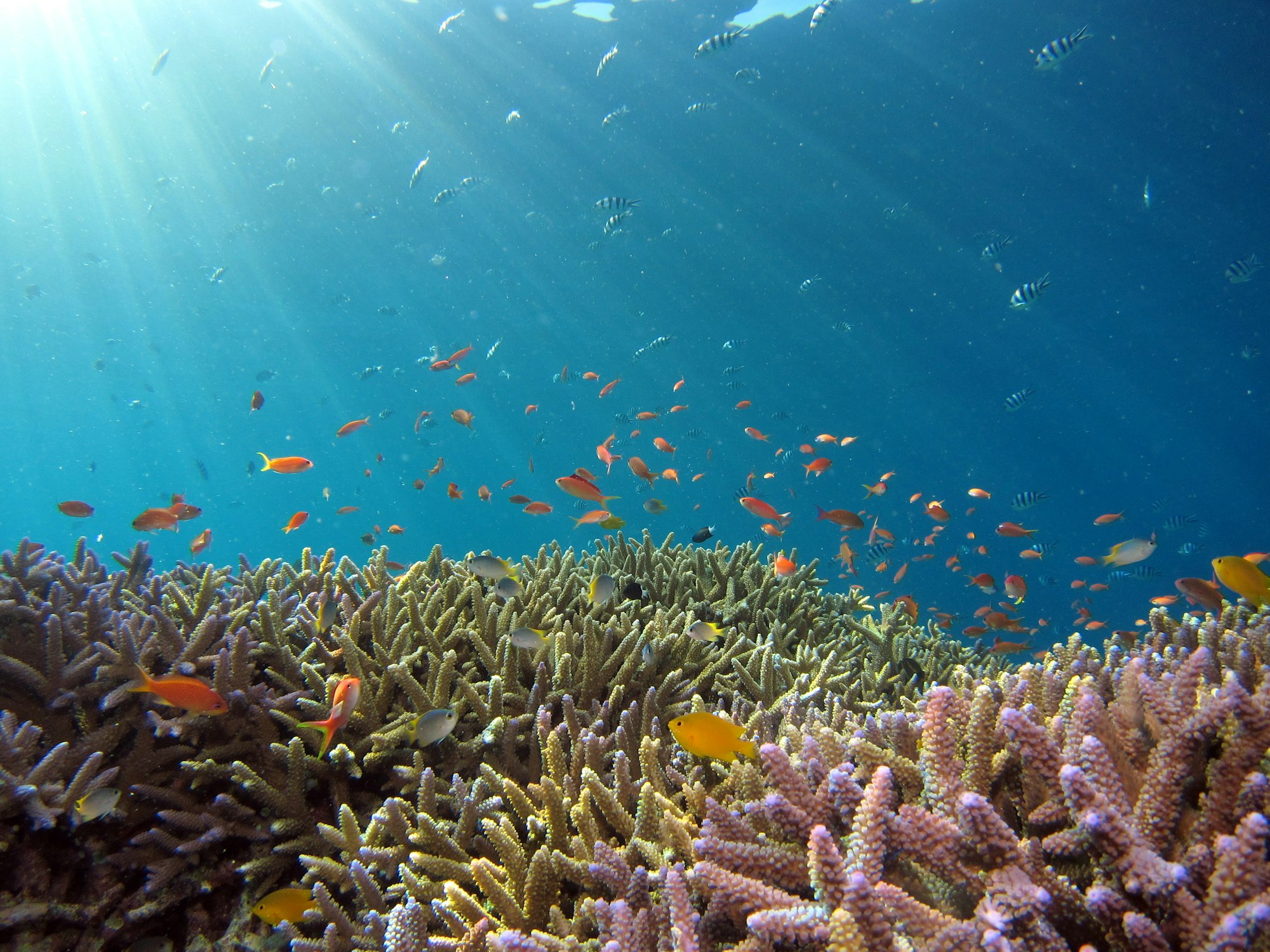
Santa Iria is a bay on the north coast of São Miguel near Rabo de Peixe, designated as a no-fishing area. The bay features a sheltered lagoon with a narrow inlet from the sea, with one side comprising a lava flow and the other reinforced with large boulders. The volcanic underwater landscape — lava reef and rocky seafloor — is typical of the Azores north coast. The protected status supports higher fish densities than surrounding areas. North coast visibility is variable and generally lower than the south coast.
Site Information
- Location: North coast, São Miguel, Azores (near Rabo de Peixe)
- Entry Type: Boat dive
- Site Type: Reef
- Difficulty Level: Intermediate
- Maximum Depth: 20 meters
- Typical Visibility: 5–15 meters (variable, north coast)
- Current: Light inside bay
- Best Time: June to October
Marine Life
No site-specific marine life records found. The rocky lava reef and no-fishing protection support typical Azorean species including groupers, wrasse, octopus, and moray eels. Regional species data should not be attributed specifically to this site.
Tips and Recommendations
- No-fishing protected area — healthier fish populations than surrounding areas
- Volcanic lava reef landscape typical of the Azores
- North coast visibility can be limited — check sea conditions before diving
- Also used as a snorkelling destination
Sea-surface temperature and wave height from Open-Meteo Marine (ERA5 reanalysis, monthly averages).
908 verified species observations (124 species) logged within ~11 km of this site between 1895 and 2025, from the Ocean Biodiversity Information System.
- Calonectris borealis
- Larus michahellis
- Thunnus obesus
- Delphinus delphis
- Physeter macrocephalus · Sperm whale
- Sterna
- Stenella frontalis · Atlantic spotted dolphin
- Katsuwonus pelamis
- Helicolenus dactylopterus
- Phycis phycis
- Pagellus bogaraveo
- Phycis blennoides
Scientific survey records skew toward sampled taxa (molluscs, corals) and do not reflect what you are guaranteed to see on a dive.
Source: OBIS (obis.org), aggregated Darwin Core occurrence records.
Conditions change with the tide and the season. If you have dived this site, share what it was actually like — date, visibility, current, and what you saw. Real, recent reports from divers are exactly what this guide is built to collect.
Send a conditions report ›