Paraiso Reef
20.4167°N 87.0309°W · reef
Paraiso Reef
Cozumel’s closest accessible reef to the main cruise ship pier — a gentle, shallow introduction to Caribbean drift diving.
Overview
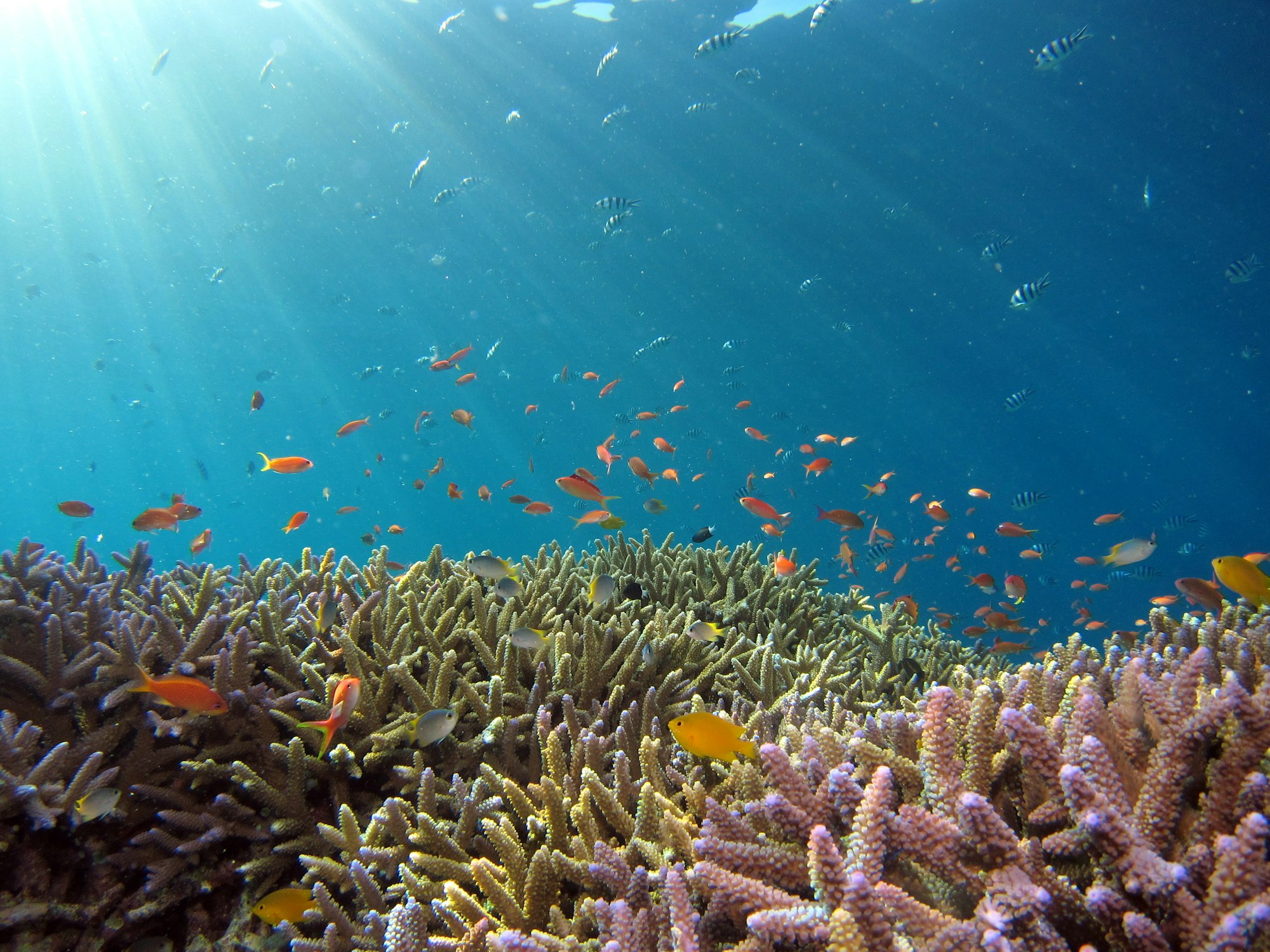
Paraiso (Spanish for “paradise”) is named after the adjacent Rancho Paraiso and is located directly south of the Puerto Maya international cruise ship terminal dock. It is the northernmost reef within the Arrecifes de Cozumel National Park. Its proximity to the dock makes it one of the most frequently visited reefs in Cozumel, and local operators have excellent familiarity with its conditions. The site is a large reef system in three sections at approximately 5 meters, 13 meters, and 18 meters depth — with abundant coral and sponges on the 18-meter level before the reef slopes into the abyss. The mild northward drift is consistent, making it genuinely beginner-appropriate.
Important current warning: Because Paraiso is situated immediately south of the Puerto Maya cruise ship pier, strong current can carry ascending divers toward the active pier — a genuine hazard unique to this site’s position. Deploy your SMB before ascending and follow your divemaster’s ascent location precisely.
Site Information
- Location: Northwest Cozumel, offshore from the cruise ship piers, Quintana Roo, Mexico
- Entry Type: Boat dive
- Site Type: Reef
- Difficulty Level: Beginner
- Maximum Depth: 15 meters
- Typical Visibility: 18–30 meters (60–100 feet)
- Current: Light to moderate northward drift
- Best Time: Year-round; consistent conditions in the leeward position
Marine Life
Paraiso is one of Cozumel’s best turtle sites — both green and hawksbill turtles are seen on virtually every dive, often in multiples. Nurse sharks rest in sandy areas between coral heads and are accustomed to diver presence. Southern stingrays forage in the sand. Moray eels of several species occupy the coral crevices, and spotted drums — among the Caribbean’s most striking reef fish — pirouette near the larger coral heads. The endemic splendid toadfish has been consistently documented at Paraiso. Large aggregations of schoolmaster snappers and grunt species shelter under coral ledges. The sea fan gardens support healthy flamingo tongue cowrie populations.
Dive Profile
A gentle descent to the sandy floor at 12–15 meters, followed by a relaxed drift through the coral head field. The average diver completes the drift in 50–65 minutes, finishing with a comfortable ascent to the reef crest at 5–8 meters for the safety stop. The two sections (Norte and Sur) are often combined into one extended drift. The boat follows your SMB throughout.
Entry and Exit
Proximity to the cruise piers means boat rides are only 5–10 minutes. Mooring buoys used throughout. Entry by giant stride. The high traffic level means clear briefings on spacing and SMB protocol are especially important here — stay with your group.
Tips
- Arrive early (before 9am) to beat the crowds from cruise ships that anchor throughout the day
- The spotted drum performs a distinctive figure-eight swimming pattern — look near larger coral heads at 8–12 meters
- Both sections of Paraiso differ slightly in coral density; ask your operator which they plan to visit
- Night dives at Paraiso are extremely popular and reveal the Caribbean’s nocturnal residents
- This site is an ideal first drift dive given its reliable, gentle current
Safety
The main safety considerations are boat traffic and the proximity to the cruise ship pier. If current is strong when ascending, divers risk being carried toward the active Puerto Maya pier — always ascend with an SMB deployed and follow the divemaster’s exact ascent location. Do not surface upwind or upcurrent of the pier on strong current days. Fire coral is present on many coral structures. The recompression chamber is a short ride away in San Miguel.
Photography
Paraiso is a photographer-friendly site with clear shallow water and approachable subjects. Turtles here are accustomed to divers and allow close, unhurried portraits. The spotted drum’s elegant movements make for excellent behavioural shots. Wide-angle captures the coral head formations with divers silhouetted in the background. Macro opportunities include flamingo tongue cowries, Christmas tree worms, and the resident spotted morays.
Additional Resources
- Arrecifes de Cozumel National Park: Entrance fees apply
- Last Updated: 2026-03-28
Sources: The Reefs of Cozumel — Paradise Reef, Pro Dive International — Paradise Reef, PADI Dive Site — Paradise Reef, Blue Note Scuba — Paradise Reef Cozumel. Last updated 2026-05-23.
Sea-surface temperature and wave height from Open-Meteo Marine (ERA5 reanalysis, monthly averages).
697 verified species observations (318 species) logged within ~11 km of this site between 1885 and 2025, from the Ocean Biodiversity Information System.
- Pterois · lionfish
- Anguilla rostrata
- Canthigaster rostrata
- Gnatholepis thompsoni
- Liopropoma mowbrayi
- Priolepis hipoliti
- Lipogramma trilineata
- Halichoeres garnoti
- Cephalopholis cruentata
- Apogon lachneri
- Equetus punctatus
- Phaeoptyx pigmentaria
Scientific survey records skew toward sampled taxa (molluscs, corals) and do not reflect what you are guaranteed to see on a dive.
Source: OBIS (obis.org), aggregated Darwin Core occurrence records.
Conditions change with the tide and the season. If you have dived this site, share what it was actually like — date, visibility, current, and what you saw. Real, recent reports from divers are exactly what this guide is built to collect.
Send a conditions report ›