Paso El Cedral Reef
20.3145°N 87.0339°W · reef
Paso El Cedral Reef
A gentle south-coast reef adjacent to the El Cedral Mayan ruins passage, combining manageable conditions with diverse coral and turtle-rich shallows.
Overview
Paso El Cedral sits near the passage (paso) leading to El Cedral — the island’s oldest Mayan structure and a minor archaeological site on land. The reef extends along the southwest coast in the calmer southern dive zone, where conditions tend to be gentler than at sites further north. The terrain is a mix of low spur-and-groove structures and a modest wall section, all within the 18-meter maximum depth that makes it suitable for newer certified divers. The site sits between the southern advanced sites (Palancar, Columbia, Punta Sur) and the more central beginner sites (Yucab, Tormentos), so it functions well as a step-up for progressing divers. El Cedral Wall, adjacent to the reef, adds wall diving possibilities for those ready to explore deeper.
Site Information
- Location: Southern leeward coast, Cozumel, Quintana Roo, Mexico
- Entry Type: Boat dive
- Site Type: Reef
- Difficulty Level: Beginner
- Maximum Depth: 18 meters
- Typical Visibility: 20–35 meters (65–115 feet)
- Current: Light to moderate drift
- Best Time: Year-round; southern position provides some additional shelter from northern swells
Marine Life
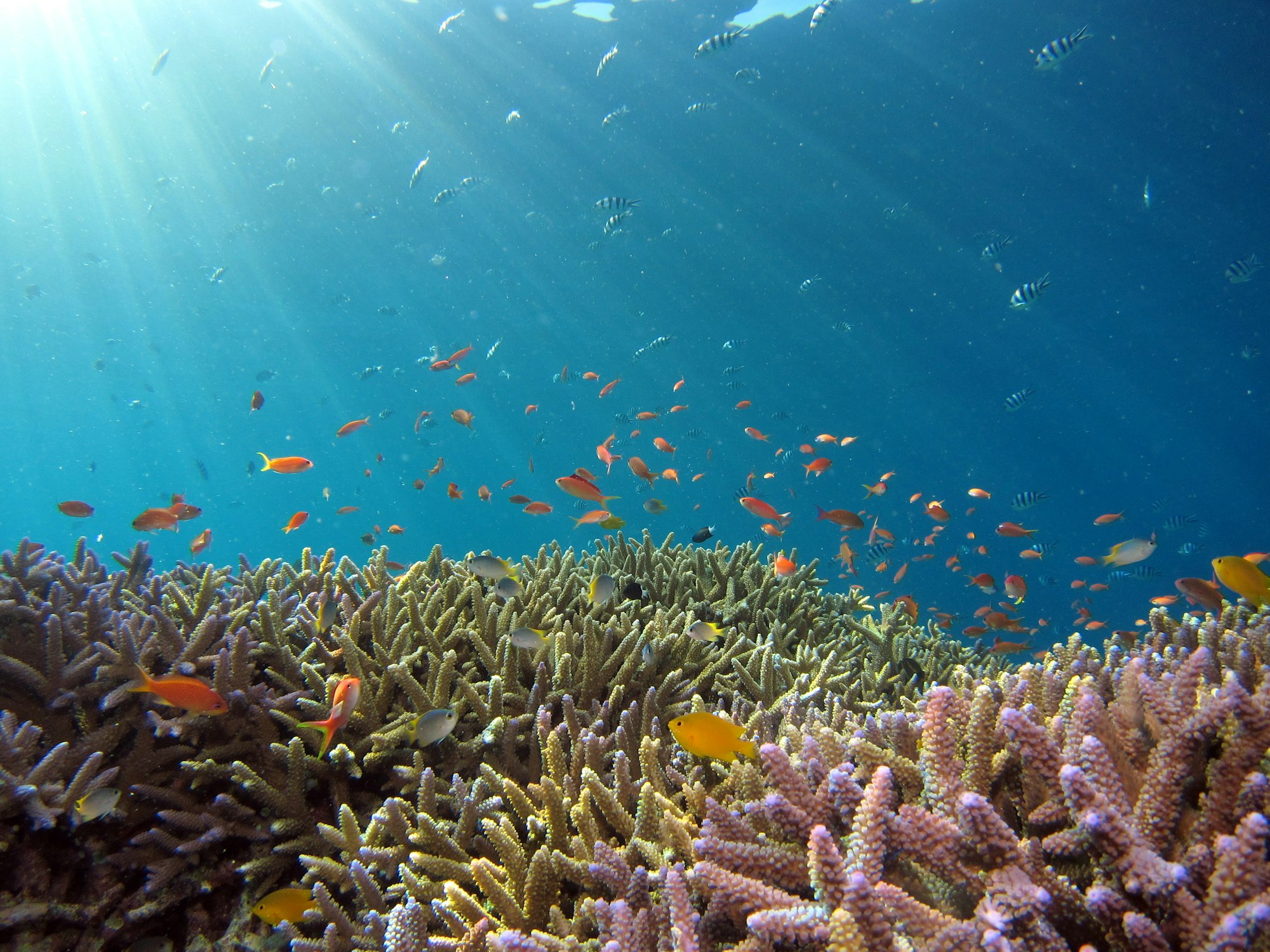
Paso El Cedral is a reliable turtle site — the southern reefs of Cozumel see high densities of hawksbill and green turtles, and El Cedral is no exception. Southern stingrays forage in sandy pockets between coral formations. Large nurse sharks rest in the sheltered areas between coral ridges, untroubled by passing divers. The coral growth here includes healthy stands of elkhorn coral in the shallows — one of the Caribbean’s most ecologically important but now threatened coral species. The endemic splendid toadfish has been reliably sighted at this site; seek them in reef crevices at 10–15 meters.
Dive Profile
Drift along the reef crest at 5–12 meters before descending to the wall section for deeper exploration. The 18-meter maximum keeps everything within comfortable recreational limits. Begin your ascent with ample air to spend extended time in the 5–8 meter zone where the shallow coral gardens are dense and sunlit. A standard bottom time of 50–65 minutes is achievable at these depths.
Entry and Exit
Boat access from San Miguel; the southern location adds approximately 20–30 minutes to the boat ride compared to northern sites. Mooring buoys used within the national park. The adjacent El Cedral Wall can be combined with this site for a two-section dive.
Tips
- A good stepping stone between pure beginner sites and the more demanding southern walls
- The shallow elkhorn coral formations (3–6 meters) are worth extended exploration — this coral is increasingly rare across the Caribbean
- Look for the splendid toadfish at the base of larger coral formations between 10 and 15 meters
- Pair with Columbia Shallows for a full day in the southern dive zone
- The site is often less crowded than the most popular central sites — the longer boat ride discourages some operators
Safety
Fire coral is present on many coral structures including some of the shallow elkhorn formations — maintain excellent buoyancy. The longer distance from San Miguel means emergency response time is extended; verify your dive insurance before the trip. Carry an SMB and deploy before ascending.
Photography
The shallow elkhorn coral is a compelling wide-angle subject — the branching antler structures against the bright Caribbean blue create classic images. Turtle encounters in the shallows allow natural-light portraits. The splendid toadfish hidden in crevices is a must-photograph subject for anyone visiting Cozumel; be patient and move slowly through the reef.
Additional Resources
- Arrecifes de Cozumel National Park: Site within protected zone
- Last Updated: 2026-03-28
Sources: The Reefs of Cozumel — Reef Guide, Blue Note Scuba — Cozumel Dive Sites, Cozumel Scuba — Dive Sites. Last updated 2026-05-23.
Sea-surface temperature and wave height from Open-Meteo Marine (ERA5 reanalysis, monthly averages).
403 verified species observations (269 species) logged within ~11 km of this site between 1885 and 2025, from the Ocean Biodiversity Information System.
- Pterois · lionfish
- Gnatholepis thompsoni
- Canthigaster rostrata
- Coryphopterus hyalinus
- Liopropoma mowbrayi
- Lipogramma trilineata
- Halichoeres garnoti
- Leucoraja yucatanensis
- Starksia
- Pseudoraja fischeri
- Apogon maculatus
- Priolepis hipoliti
Scientific survey records skew toward sampled taxa (molluscs, corals) and do not reflect what you are guaranteed to see on a dive.
Source: OBIS (obis.org), aggregated Darwin Core occurrence records.
Conditions change with the tide and the season. If you have dived this site, share what it was actually like — date, visibility, current, and what you saw. Real, recent reports from divers are exactly what this guide is built to collect.
Send a conditions report ›