Villa Blanca Wall
20.4955°N 86.9794°W · wall
Villa Blanca Wall
A wall dive just south of San Miguel’s marina entrance, densely covered in giant sponges and gorgonians — and subject to currents strong enough to carry divers under cruise ships.
Overview
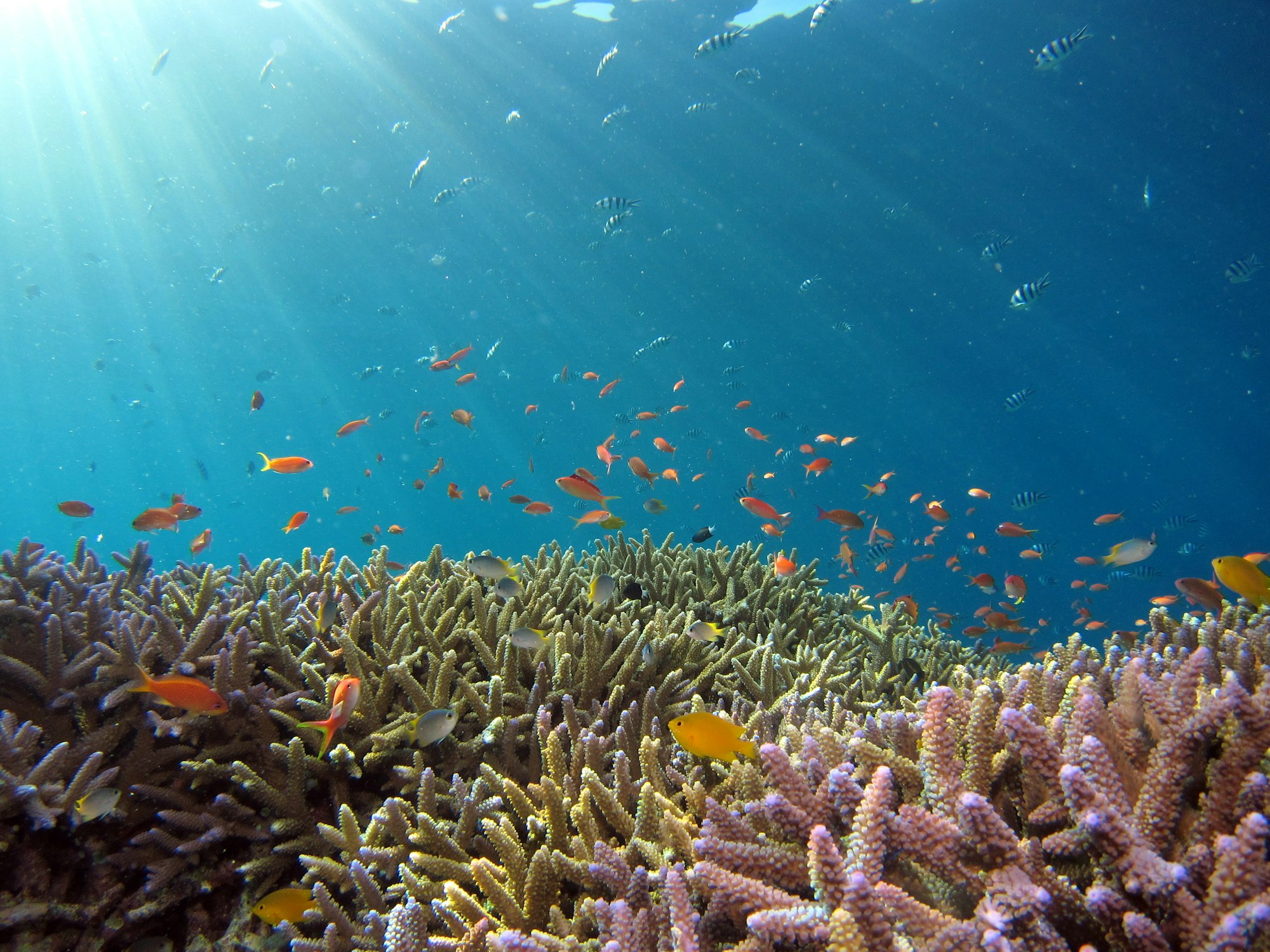
Villa Blanca Wall takes its name from the Villa Blanca resort formerly located on the shore nearby. The wall is situated just south of San Miguel — specifically at the entrance to the Puerto de Abrigo marina — and extends northward over one kilometre toward Cantarel. This is not in the northern hotel zone as sometimes described; it is immediately adjacent to the main port. The wall drop-off begins at approximately 45 feet (15 meters) and the sloping face reaches 30 meters and beyond, with the deepest point reported at 600 feet in some reference materials. The wall is heavily draped in giant barrel sponges, basket sponges, and black gorgonians.
Current warning: Currents here are strong and unpredictable, running north. Local dive references rate this site as Expert level, noting that strong current can carry divers under moored cruise ships — an extreme hazard unique to this site’s port-adjacent location. Only dive Villa Blanca with a reputable operator who assesses current conditions before entry.
Site Information
- Location: Just south of San Miguel marina (Puerto de Abrigo), Cozumel, Quintana Roo, Mexico
- Entry Type: Boat dive
- Site Type: Wall dive
- Difficulty Level: Advanced
- Maximum Depth: 30 meters
- Typical Visibility: 20–35 meters (65–115 feet)
- Current: Strong and unpredictable northward current — can be dangerous near cruise ship anchorage
- Best Time: Year-round with current assessment; dive only with operators who monitor conditions
Marine Life
Hawksbill and green turtles are among the most reliable sightings at Villa Blanca — the density of sponges and sea fans in the 10–20 meter range provides an excellent food source. Large moray eels occupy the larger coral crevices; green morays are often visible by day. The sea fans throughout the site support flamingo tongue cowries in good numbers. School-sized aggregations of blue striped grunts and white grunts shelter under coral ledges on the upper reef. Caribbean spiny lobsters are present and active here at dusk and dawn — night dives at this site reveal them foraging across the reef surface.
Dive Profile
Descend to the reef crest at 8–10 meters and work down the slope through the sea fan zone to the wall section at 20–30 meters. The upper section rewards slow exploration; spend 15–20 minutes here before dropping to the wall for the deeper portion of the dive. Ascend with adequate air to spend extended time in the sea fan zone on the way back up. Safety stop at 5 meters against the upper reef where the structure provides a visual reference.
Entry and Exit
Short boat ride from San Miguel or nearby piers. Mooring buoys present. Because of the cruise ship pier proximity, operators must assess current direction and strength before committing to entry. Strong current days are common and some are not diveable.
Tips
- The sea fan zone at 12–18 meters is the site’s most rewarding section — don’t rush through it on the way down
- Night dives here are excellent; lobsters, octopus, and sleeping parrotfish are accessible in calm conditions
- This site works well as an introductory wall dive for divers moving up from beginner reef diving
- Look carefully at flamingo tongue cowries in the sea fans — when the mantle is extended, the spotted colouring is vivid and striking
- Carry a light even on day dives to examine the crevices where moray eels shelter
Safety
The primary hazard is the strong northward current and proximity to the cruise ship anchorage zone. Strong current can carry an ascending diver directly under moored cruise ships — this is not a theoretical risk and is the reason this site is rated Advanced. Always deploy an SMB before ascending. Abort the dive if current is running fast at depth. Fire coral occurs on coral structures. San Miguel’s emergency facilities are close, but the current hazard warrants careful planning.
Photography
The sea fan garden zone is a macro and close-focus wide-angle paradise. Flamingo tongue cowries with extended mantles create vibrant colour contrast against the purple sea fans. Wide-angle captures the fanned coral tapestry with divers at scale. Turtle portraits are achievable here given the relaxed population. At night, the wall and reef surface become active subjects for macro shooters.
Sources: The Reefs of Cozumel — Villa Blanca Wall, Pro Dive International — Villa Blanca Wall, Sand Dollar Sports — Dive Villa Blanca Reef, Scuba Spot Advisor — Villablanca Wall. Last updated 2026-05-23.
Sea-surface temperature and wave height from Open-Meteo Marine (ERA5 reanalysis, monthly averages).
740 verified species observations (296 species) logged within ~11 km of this site between 1885 and 2018, from the Ocean Biodiversity Information System.
- Pterois · lionfish
- Anguilla rostrata
- Canthigaster rostrata
- Priolepis hipoliti
- Gnatholepis thompsoni
- Equetus punctatus
- Liopropoma mowbrayi
- Kaupichthys hyoproroides
- Apogon lachneri
- Gramma linki
- Anarchias similis
- Heteroconger longissimus
Scientific survey records skew toward sampled taxa (molluscs, corals) and do not reflect what you are guaranteed to see on a dive.
Source: OBIS (obis.org), aggregated Darwin Core occurrence records.
Conditions change with the tide and the season. If you have dived this site, share what it was actually like — date, visibility, current, and what you saw. Real, recent reports from divers are exactly what this guide is built to collect.
Send a conditions report ›