Yucab Reef
20.3713°N 87.0457°W · reef
Yucab Reef
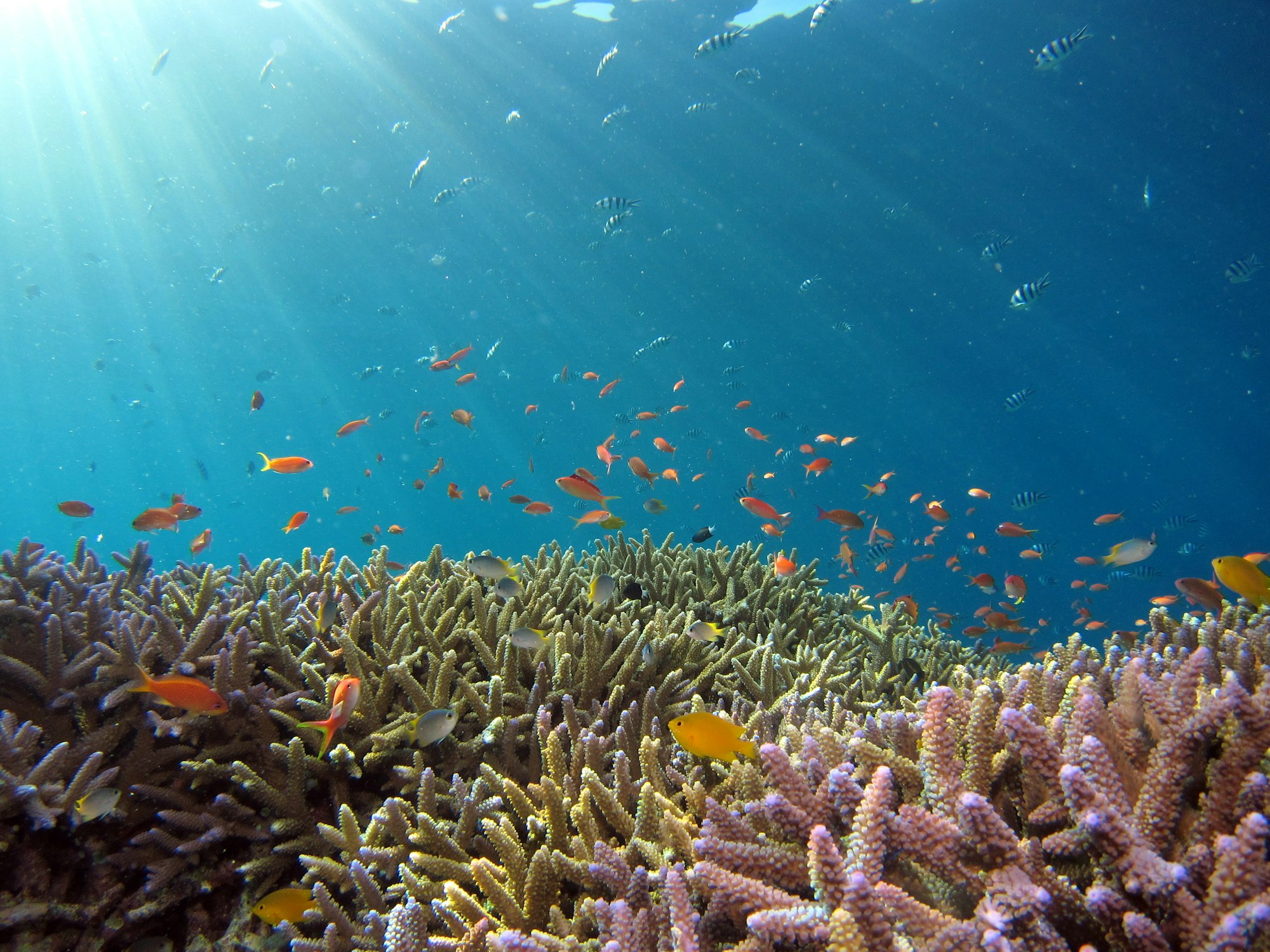
A shallow, current-assisted reef ideal for beginners and snorkellers, packed with colourful coral heads and approachable reef fish.
Overview
Yucab Reef is one of Cozumel’s most beginner-friendly sites, located along the central leeward coast just south of San Miguel. The reef is characterised by large, isolated coral heads rising from a sandy bottom, interspersed with wide sandy channels that make navigation simple and visibility exceptional. The maximum depth of 15 meters keeps the dive accessible and extends bottom time considerably. Yucab is also an outstanding snorkelling site, with the shallowest coral formations at just 3–5 meters. The gentle northward drift here is mild enough for newer divers to manage comfortably, making it a standard choice for first ocean dives and Open Water certification checkouts. Water temperatures remain a comfortable 27–28°C for most of the year.
Site Information
- Location: Central leeward coast, Cozumel, Quintana Roo, Mexico
- Entry Type: Boat dive
- Site Type: Reef
- Difficulty Level: Beginner
- Maximum Depth: 15 meters
- Typical Visibility: 20–35 meters (65–115 feet)
- Current: Light to mild northward drift
- Best Time: Year-round; diveable in nearly all conditions given the sheltered leeward location
Marine Life
Yucab’s isolated coral heads are rich ecosystems in miniature. Large queen angelfish and French angelfish are common around every coral head, often tolerating close approaches. Green and hawksbill turtles are reliable sightings, frequently resting on or near the coral bases. Southern stingrays rest in the sandy channels and are undisturbed by divers. The endemic splendid toadfish has been found at Yucab — search beneath coral ledges. Schools of blue tangs and surgeonfish sweep across the sandy plain between coral heads. Caribbean spiny lobsters retreat into crevices during the day but antennae often betray their positions. Flamingo tongue cowries graze on sea fans throughout the site.
Dive Profile
The dive profile is straightforward: descend to the sandy bottom at 10–15 meters, navigate between the large coral heads while allowing the mild current to assist your movement, and spend the final portion of the dive on the shallower reef crest at 5–8 meters. Given the manageable depth, bottom times of 60 minutes or more are common. Plan your safety stop in the sandy shallows at 5 meters where there is always interesting life to observe on the coral edges.
Entry and Exit
Boat access from San Miguel; the ride is approximately 15–20 minutes. Mooring buoys are used within the national park. Entry is via giant stride or back roll. Snorkellers can access the shallows from the surface directly. Boat pickup after deploying an SMB at the 5-meter safety stop.
Tips
- Ideal as a first drift dive experience — the current is gentle and the navigation simple
- Bring a dive light to look inside the coral head bases for lobsters and moray eels
- Yucab is excellent for an afternoon second dive following a deeper morning site
- Search carefully around sea fan bases for flamingo tongue cowries — bright orange with spotted mantle
- Good for underwater photography practice given the approachable wildlife and consistent light
Safety
Despite being beginner-rated, all standard open-water precautions apply. Keep track of buoyancy over the sandy bottom to avoid disturbing sediment and reduce visibility for others. Fire coral occurs on some structures. Deploy your SMB before ascending for the safety stop. The mild current at Yucab rarely presents a challenge, but all divers should know the SMB deployment procedure before entering the water.
Photography
Yucab’s isolated coral heads against white sand create classic Caribbean wide-angle compositions with excellent ambient light in the shallows. The French angelfish and queen angelfish are unusually approachable, making portrait-style images achievable with a standard zoom or compact camera. Look for flamingo tongue cowries on sea fans for vivid macro colour shots. Natural light is excellent through most of the day given the shallow depths.
Additional Resources
- Arrecifes de Cozumel National Park: Site within protected zone
- Last Updated: 2026-03-28
Sources: The Reefs of Cozumel — Reef Guide, Blue Note Scuba — Cozumel Dive Sites, Cozumel Scuba — Dive Sites. Last updated 2026-05-23.
Sea-surface temperature and wave height from Open-Meteo Marine (ERA5 reanalysis, monthly averages).
476 verified species observations (305 species) logged within ~11 km of this site between 1885 and 2025, from the Ocean Biodiversity Information System.
- Pterois · lionfish
- Gnatholepis thompsoni
- Canthigaster rostrata
- Coryphopterus hyalinus
- Liopropoma mowbrayi
- Lipogramma trilineata
- Halichoeres garnoti
- Leucoraja yucatanensis
- Starksia
- Pseudoraja fischeri
- Apogon maculatus
- Priolepis hipoliti
Scientific survey records skew toward sampled taxa (molluscs, corals) and do not reflect what you are guaranteed to see on a dive.
Source: OBIS (obis.org), aggregated Darwin Core occurrence records.
Conditions change with the tide and the season. If you have dived this site, share what it was actually like — date, visibility, current, and what you saw. Real, recent reports from divers are exactly what this guide is built to collect.
Send a conditions report ›