Gaja Rock dive site
8.7451°S 119.4825°E · pinnacle
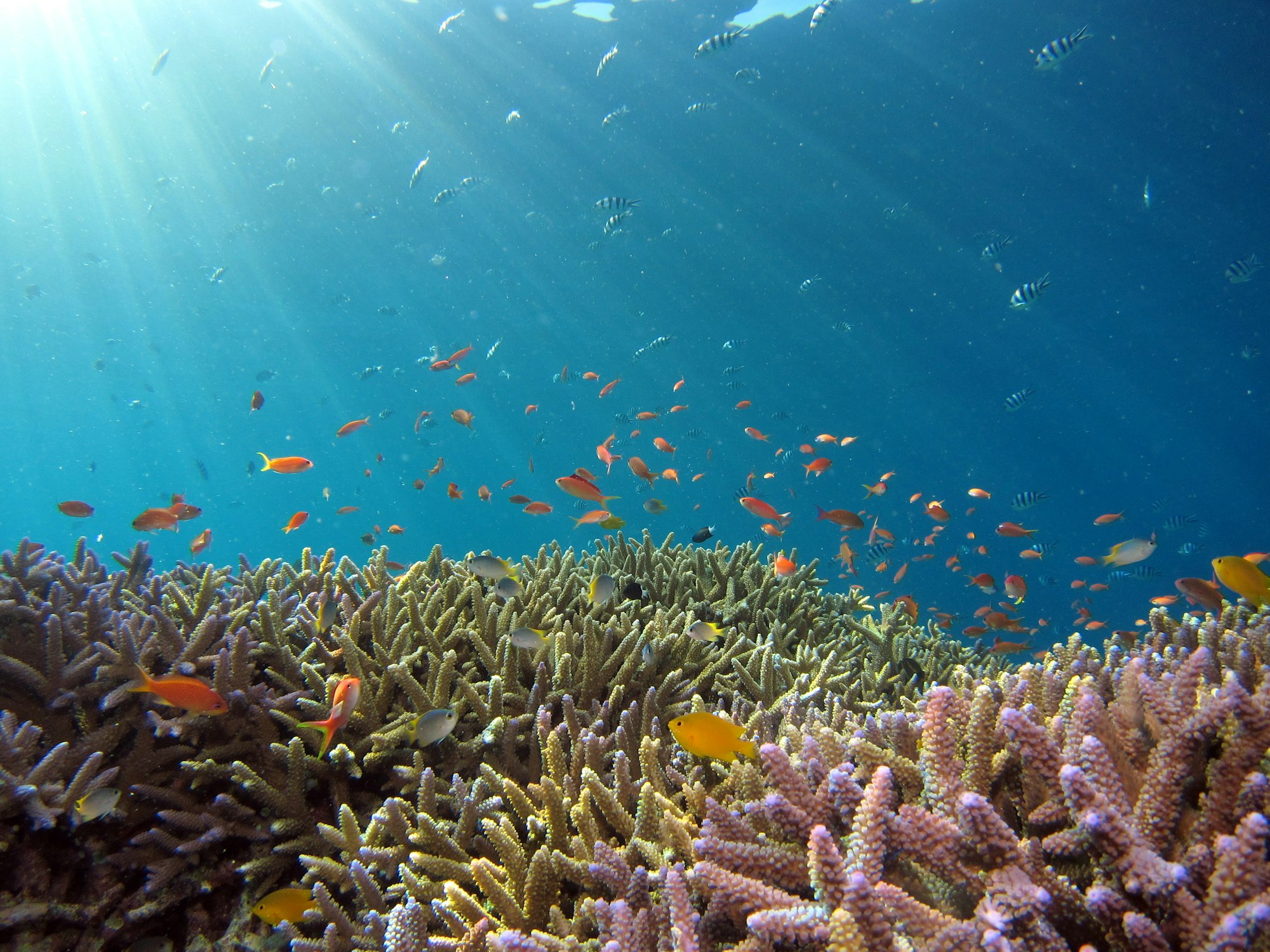
Gaja Rock — “Elephant Rock” in Indonesian — is a pinnacle formation in the southern Komodo National Park area, its rounded top and flanks resembling the back of a submerged elephant, covered in soft coral growth that attracts a pleasant variety of reef species.
Overview
Gaja Rock is a compact pinnacle in the less-trafficked southern Komodo area, sitting in moderate tidal flow that keeps the coral healthy without the extreme currents of the park’s headline sites. The rock formation rises to about 5 meters below the surface and descends to a sandy bottom at around 18–20 meters. It is a manageable intermediate dive — the rounded shape means there is always a sheltered face to tuck behind regardless of current direction. The soft coral coverage is attractive, and the site provides a comfortable option when conditions elsewhere in the park are too demanding.
Site Information
- Location: Komodo National Park, East Nusa Tenggara, Indonesia (southern park area)
- Entry Type: Boat dive
- Site Type: Pinnacle/seamount
- Difficulty Level: Intermediate
- Maximum Depth: 20 meters
- Typical Visibility: 15–25 meters
- Current: Light to moderate
- Best Time: April to November
Marine Life
Soft corals and sea fans on the mid-depth flanks attract a variety of small, sedentary species: gobies on fan branches, commensal shrimp on dendrophyllia coral, and crinoids spread wide in the current. Reef fish are abundant — anthias cloud the upper sections, while butterflyfish and angelfish pick at the coral. Whitetip reef sharks are sometimes found resting on the sandy bottom at the pinnacle base. Sea turtles visit regularly to feed on the sponge and soft coral growth. The sandy bottom hosts small flatfish, gobies, and their symbiotic shrimp, adding a muck-diving dimension to the base of the rock.
Dive Profile
Drop to the sandy bottom and circuit the base at 15–18 meters, then ascend the sheltered face through the soft coral zone at 8–15 meters to the shallowest section of the rock. The circular topography allows a complete circuit that covers all faces and depths within a single dive. Finish on the rock’s summit at 5 meters for an extended safety stop in good light.
Entry and Exit
Boat access. Giant stride entry close to the rock. Conditions are mild enough that a safety stop on the rock top at 5 meters is typically comfortable. Carry an SMB for the ascent if drifting clear of the rock.
Tips and Recommendations
- This site rewards a slow, observational approach — look closely at every coral formation for resident species
- Bring a macro lens for gobies, shrimp, and nudibranchs on the coral faces
- The site works well as a night dive — nocturnal critters emerge from crevices and the sandy base hosts sleeping reef fish
- Gaja Rock is an accessible and enjoyable site for newly Advanced-certified divers gaining experience in Komodo conditions
- Look for the resident Napoleon wrasse that occasionally frequents this site
Safety Considerations
While gentler than Komodo’s advanced sites, currents can develop around Gaja Rock’s exposed faces. Stay on the sheltered side if the current increases unexpectedly. Always carry an SMB. Buoyancy control around the coral formations is important — the soft coral is easily damaged by contact.
Photography
The compact size of Gaja Rock means a single dive covers multiple photographic habitats. Wide-angle captures the full rock form and its soft coral coverage; macro rewards detailed investigation of the coral faces. The sandy base with its gobies and the possibility of a resting shark make attractive secondary subjects.
Sea-surface temperature and wave height from Open-Meteo Marine (ERA5 reanalysis, monthly averages).
29 verified species observations (22 species) logged within ~11 km of this site between 1995 and 2017, from the Ocean Biodiversity Information System.
- Helcogramma randalli
- Pomacentrus komodoensis
- Pseudochromis
- Apogon
- Chelonia mydas · Green turtle
- Norfolkia brachylepis · Scaly-head Threefin
- Neosynchiropus ocellatus · Marble Dragonet
- Helcogramma striata · Neon Threefin
- Ceratobregma helenae · Helen's Triplefin
- Trimma macrophthalmum · Flame Goby
- Enneapterygius hemimelas · Half-black Triplefin
- Cymbacephalus
Scientific survey records skew toward sampled taxa (molluscs, corals) and do not reflect what you are guaranteed to see on a dive.
Source: OBIS (obis.org), aggregated Darwin Core occurrence records.
Conditions change with the tide and the season. If you have dived this site, share what it was actually like — date, visibility, current, and what you saw. Real, recent reports from divers are exactly what this guide is built to collect.
Send a conditions report ›