Mawan
8.5581°S 119.6361°E · drift
Mawan is a relaxed manta ray cleaning station west of Siaba Besar in central Komodo, offering gentler current conditions than the park’s other manta sites and allowing for longer, more stationary manta encounters than the fast drift of Karang Makassar.
Overview
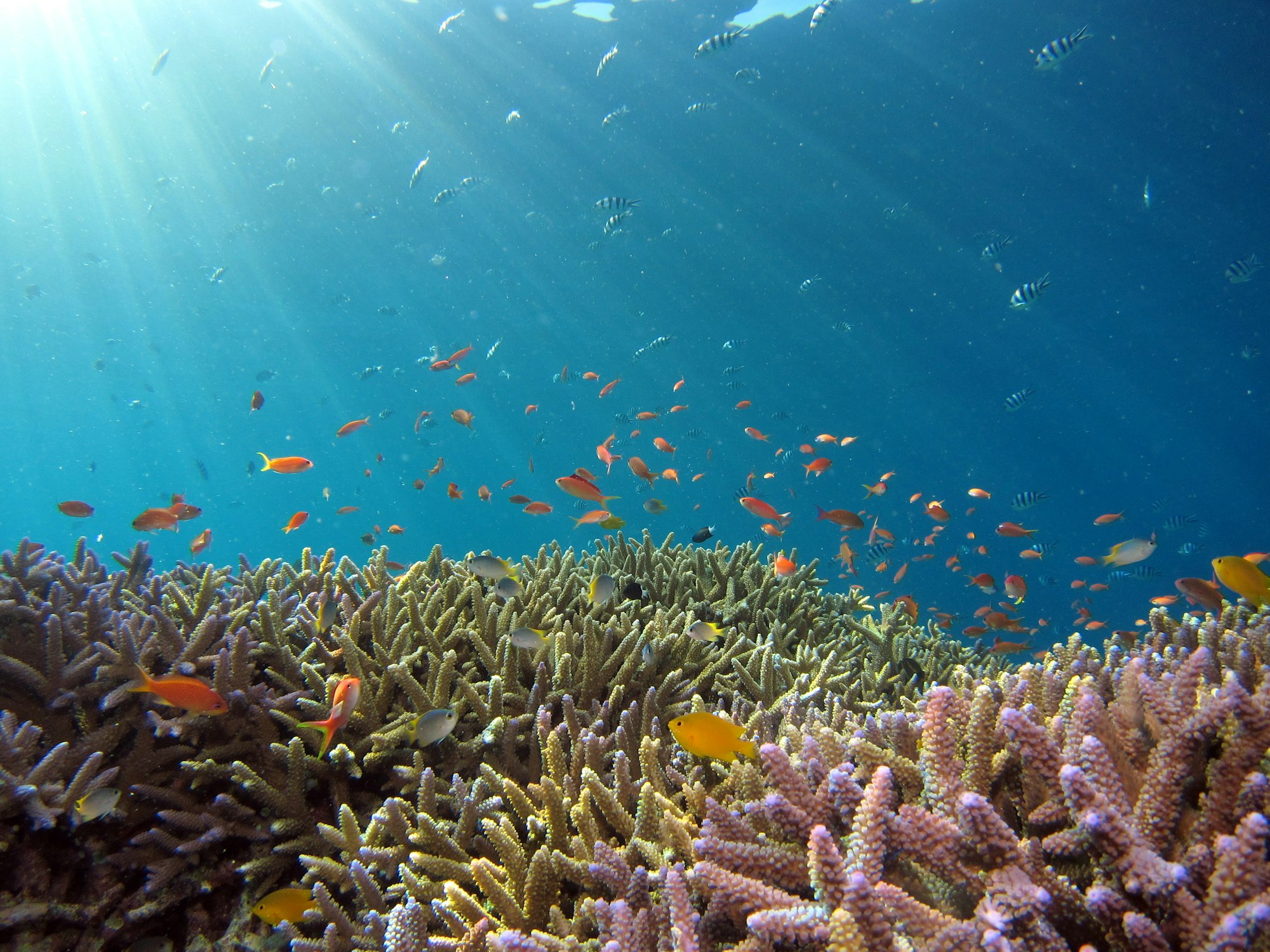
Mawan is a small island in the central section of Komodo National Park, its southern side featuring white sandy slopes and coral bommies that serve as a manta cleaning station. Unlike the 2.5-kilometre-long reef flat of Karang Makassar, Mawan is a more intimate site where divers can settle near the cleaning station bommies and wait for mantas to arrive, rather than drifting past them. Currents range from mild to occasionally strong; stronger currents bring in the plankton that attracts mantas, while slack conditions make the site most relaxed. The northern side of the island has a richer coral reef for non-manta diving.
Note: the previous description of Mawan as a mandarin fish site was incorrect. Mandarin fish are found at Wainilu, a distinct site elsewhere in the park.
Site Information
- Location: Komodo National Park, East Nusa Tenggara, Indonesia (west of Siaba Besar, central park)
- Entry Type: Boat dive
- Site Type: Drift dive
- Difficulty Level: Intermediate
- Maximum Depth: 25 meters
- Typical Visibility: 12–20 meters
- Current: Mild to strong; moon phase dependent
- Best Time: Year-round; stronger currents during new and full moon bring more mantas
Marine Life
Confirmed species at this specific site include: reef mantas (Mobula alfredi) at cleaning stations, eagle rays, marble rays, mantis boxing shrimp, hairy shrimp, orangutan crabs, nudibranchs, leaf scorpionfish, frogfish, bamboo sharks, unicornfish, and whitetip reef sharks. The sandy slope also hosts blue-spotted stingrays and leaf cuttlefish.
Dive Profile
Drift from north to south: enter over the reef at 8 metres, descend to the ridge-filled areas at 12 metres, then explore the manta territory at 15–20 metres along the slope. Check the shallow rubble at 10 metres for macro life on the return. At cleaning station bommies, settle on the sandy bottom at 10–15 metres and wait patiently — mantas will approach if divers remain still.
Entry and Exit
Boat access from Labuan Bajo day trip or liveaboard. Giant stride entry. Exit via ladder. The calm conditions make entry and exit straightforward.
Tips and Recommendations
- Avoid new and full moon periods when currents can intensify beyond comfortable levels
- Stay low and still at the cleaning station — chasing mantas ends the encounter
- Combine with Siaba Besar on the same trip for contrasting turtle and manta experiences
- The north side of Mawan has the better coral for reef diving
- Stronger currents, while more demanding, bring the best manta activity
Safety Considerations
Current can intensify significantly during spring tides. Follow the guide’s signals and stay close to the sandy bottom where flow is reduced. Always carry an SMB.
Sources: Dragon Dive Komodo – Mawan Dive Site, La Galigo Liveaboard – Mawan, Wet Frog Divers – Komodo Dive Spots. Last updated 2026-06-10.
Sea-surface temperature and wave height from Open-Meteo Marine (ERA5 reanalysis, monthly averages).
899 verified species observations (300 species) logged within ~11 km of this site between 1984 and 2023, from the Ocean Biodiversity Information System.
- Ctenochaetus striatus
- Amphiprion perideraion
- Acanthurus lineatus
- Pseudochromis flavopunctatus
- Pseudochromis
- Eviota hoesei · Doug's Eviota
- Eviota queenslandica · Queensland Eviota
- Scorpaenodes parvipinnis · Coral Scorpionfish
- Discotrema crinophilum
- Ecsenius bicolor
- Discotrema
- Eviota shimadai
Scientific survey records skew toward sampled taxa (molluscs, corals) and do not reflect what you are guaranteed to see on a dive.
Source: OBIS (obis.org), aggregated Darwin Core occurrence records.
Conditions change with the tide and the season. If you have dived this site, share what it was actually like — date, visibility, current, and what you saw. Real, recent reports from divers are exactly what this guide is built to collect.
Send a conditions report ›