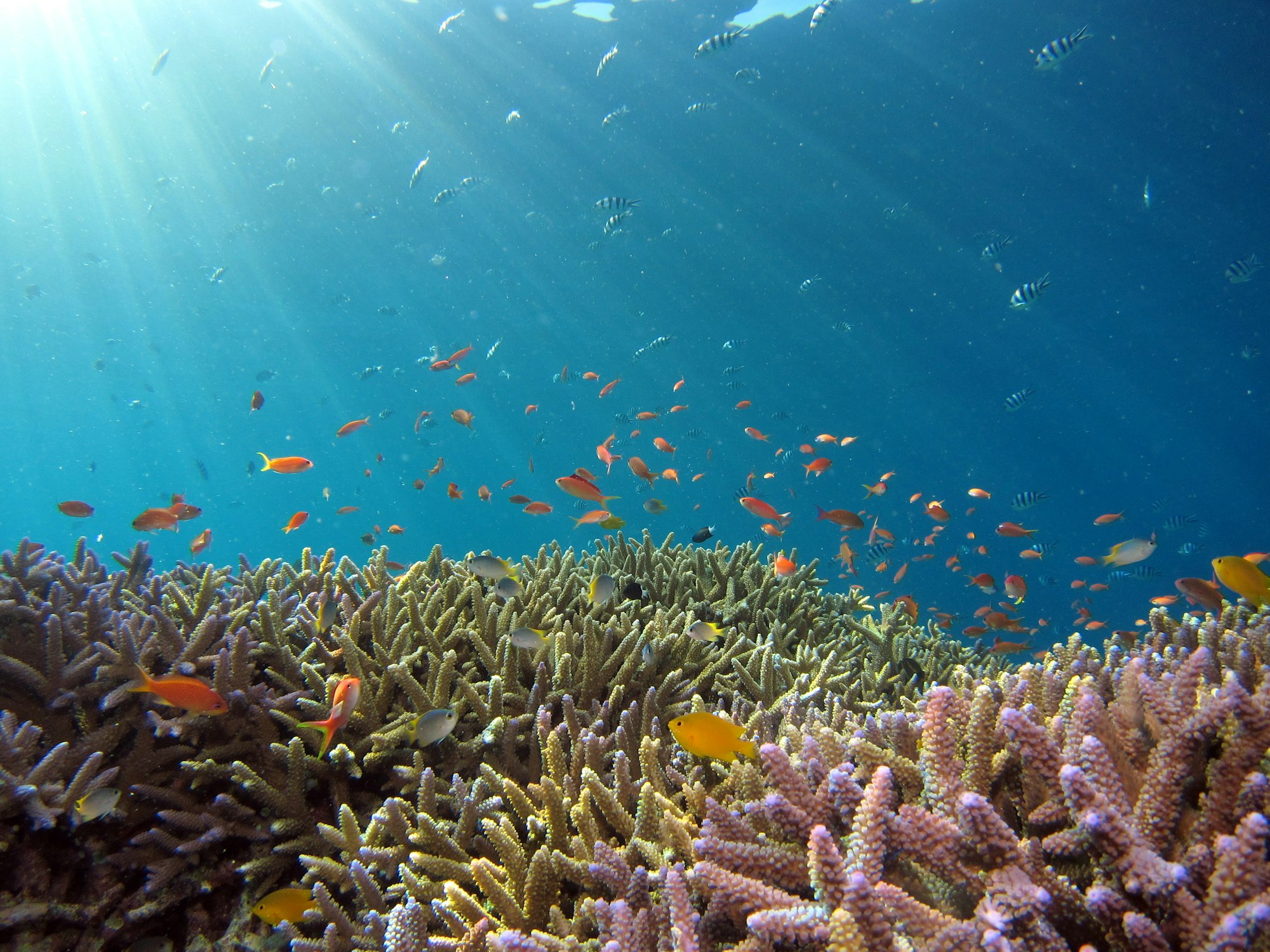
Mini Wall
8.5082°S 119.7040°E · wall
Mini Wall is a compact vertical wall in the eastern Komodo National Park area, known as an excellent macro site where the wall face and surrounding rubble host an impressive variety of small critters in a manageable, intermediate-friendly dive.
Overview
Despite its modest name, Mini Wall offers quality wall diving with strong macro potential. The wall face drops vertically from around 5 meters at the reef crest to 25–30 meters, its surface encrusted with soft corals, sponges, and hydroids that shelter nudibranchs, flatworms, and small crustaceans. The site is sheltered enough to attract divers of intermediate experience, with the current generally mild compared to Komodo’s most exposed sites. The wall transitions to a rubble and sand slope at the base, which adds another dimension of critter habitat.
Site Information
- Location: Komodo National Park, East Nusa Tenggara, Indonesia (eastern park)
- Entry Type: Boat dive
- Site Type: Wall dive
- Difficulty Level: Intermediate
- Maximum Depth: 30 meters
- Typical Visibility: 15–25 meters
- Current: Light to moderate
- Best Time: April to November
Marine Life
The wall face is rich in invertebrate life: nudibranchs in multiple species appear on every dive, with glossodoris and chromodoris families well represented. Flatworms add vivid colour to the more subdued sponge communities. Ghost pipefish and frogfish are found in the soft coral and rubble sections at the wall base. Lionfish hover in wall crevices. The reef crest above the wall has healthy hard corals with resident clownfish, hawkfish, and various damselfish. Hawksbill turtles graze on the sponge communities on the upper wall. In the blue water off the wall, schools of jacks and occasionally reef sharks are visible.
Dive Profile
Enter from the boat and descend along the wall crest, dropping gradually along the face to the desired depth. Work along the wall horizontally, searching the surface for macro subjects and pausing at overhangs where more protected species shelter. Ascend along the wall face back to the crest and finish the dive on the reef top with a shallow safety stop in well-lit coral.
Entry and Exit
Boat access. Giant stride entry. The guide leads along the wall face; follow closely to ensure you find the critters pointed out. Safety stop on the reef crest at 5 meters is usually comfortable given the mild conditions.
Tips and Recommendations
- This is a superb macro site — bring a 60mm or 100mm macro lens
- Move slowly along the wall face and inspect every sponge, hydroid, and soft coral tuft for nudibranchs and flatworms
- The rubble at the wall base is worth checking for ghost pipefish and frogfish
- A torch is useful even in daylight for looking into crevices
- Combine with a more active current site earlier in the day — Mini Wall is a natural wind-down dive
Safety Considerations
The primary concern at any wall dive is depth management. Wall faces can tempt divers deeper than planned. Set a maximum depth alarm on your dive computer. Currents can pick up along the wall edge on tidal changes. Always carry an SMB.
Photography
Mini Wall excels for macro photography: nudibranchs on encrusting sponges, frogfish on rubble, and flatworms on hydroid colonies are all achievable in a single dive. A 100mm macro on a DSLR or 67mm equivalent on mirrorless gives close focus with sufficient working distance. For the broader wall context, a 24mm or 28mm close-focus wide-angle captures the wall face and a diver in one frame.
Sources: Blue Marlin Dive – Komodo Dive Sites, Scuba Junkie Komodo – Central Sites, Divezone – Komodo. Last updated 2026-06-10.
Sea-surface temperature and wave height from Open-Meteo Marine (ERA5 reanalysis, monthly averages).
556 verified species observations (273 species) logged within ~11 km of this site between 1984 and 2023, from the Ocean Biodiversity Information System.
- Ctenochaetus striatus
- Acanthurus lineatus
- Amphiprion perideraion
- Rastrelliger kanagurta
- Pseudochromis flavopunctatus
- Scomberomorus commerson
- Helcogramma kranos
- Discotrema crinophilum
- Pseudochromis
- Ecsenius bicolor
- Eviota sigillata
- Onychoprion anaethetus
Scientific survey records skew toward sampled taxa (molluscs, corals) and do not reflect what you are guaranteed to see on a dive.
Source: OBIS (obis.org), aggregated Darwin Core occurrence records.
Conditions change with the tide and the season. If you have dived this site, share what it was actually like — date, visibility, current, and what you saw. Real, recent reports from divers are exactly what this guide is built to collect.
Send a conditions report ›