Pantai Merah
8.6010°S 119.5262°E · reef
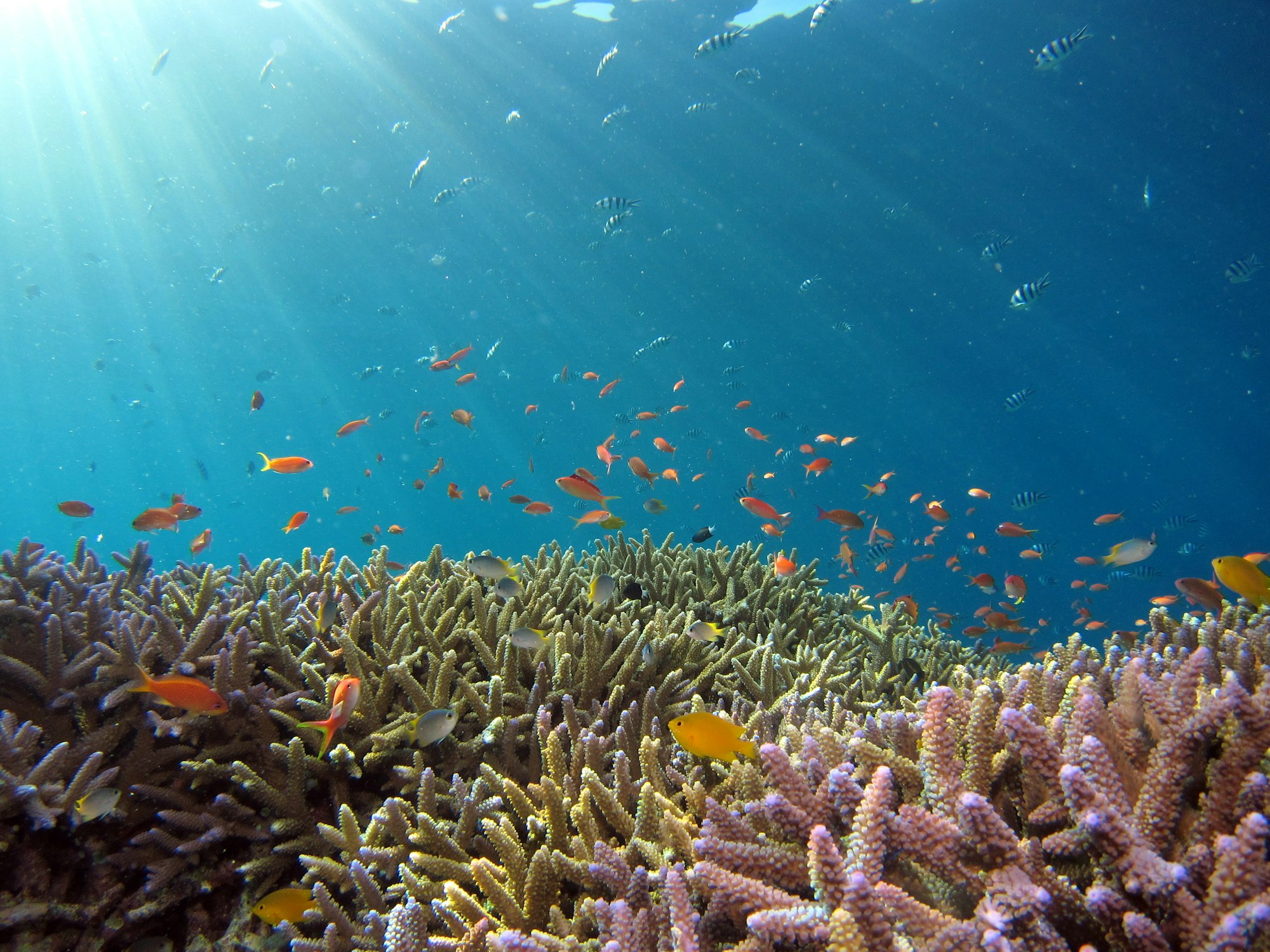
Pantai Merah — Indonesian for “Red Beach” or “Pink Beach” — is one of only seven pink-sand beaches in the world, the colour produced by red coral fragments mixed with white sand. The reef directly offshore is an accessible, photogenic dive that serves as an excellent introduction to Komodo diving.
Overview
Situated on the eastern coast of Komodo Island, Pantai Merah offers a shore entry onto a colourful sloping reef that runs from the iconic pink sand beach down to a sandy bottom at around 25–30 meters. The site is sheltered from the dominant currents that define many other Komodo sites, making it one of the park’s most accessible dives. The shallower sections, from 3 to 15 meters, are particularly rewarding — densely populated with hard coral formations, anemones hosting clownfish, and small critters that reward a slow, macro-focused approach. The deeper sections have more rubble and scattered coral but are worth exploring for flatfish and sand-dwelling species.
Site Information
- Location: Komodo National Park, East Nusa Tenggara, Indonesia (eastern Komodo Island)
- Entry Type: Shore entry
- Site Type: Reef
- Difficulty Level: Beginner
- Maximum Depth: 25 meters
- Typical Visibility: 10–20 meters
- Current: Light to moderate; strongest at site corners
- Best Time: April to November; early morning for calmest conditions
Marine Life
The shallow reef is excellent for macro observation: nudibranchs are numerous and varied, with chromodorids and phyllodesmiums common. Frogfish occupy sponge-encrusted rubble patches. Anemonefish and their host anemones are scattered throughout the 5–15 meter zone. Hawksbill and green turtles graze on the deeper reef sections. Schools of sergeant majors and chromis hover above the coral table, while moray eels and lionfish lurk in crevices. The sandy bottom at depth hosts garden eels, blue-spotted rays, and the occasional octopus.
Dive Profile
Enter directly from the beach, wading over a short sandy shallows before the reef begins at 3–5 meters. The guide leads a circuit along the reef, typically staying between 8–20 meters where coral density is greatest. The deeper section on the reef base can be explored if time and air permit before returning to the shallows for a comfortable safety stop in excellent light.
Entry and Exit
Shore entry from the pink beach. The beach is accessible by boat from the park’s ranger station and mooring sites — independent visitors must use permitted boats. Entry is straightforward with fins on in shallow water. Exit at the same beach entry point.
Tips and Recommendations
- The shallows between 5–15 meters offer the most rewarding diving — do not rush to depth
- Bring a macro lens or a compact camera with close-up mode for nudibranchs and frogfish
- The pink beach itself is worth visiting before or after the dive — one of Komodo’s most photographed landscapes
- Early morning provides the best water clarity and light for photography
- Combine with a snorkel along the beach edge where the coral begins immediately from shore
Safety Considerations
While generally calm, light currents can run along the reef edges. Maintain awareness of your position relative to the beach and do not allow the current to push you around the island’s point into more exposed water. Sea urchins are numerous in the shallows — wear booties when walking along the beach entry. Always dive with a buddy.
Photography
Pantai Merah is one of Komodo’s best topside-and-underwater photography destinations. Above water, the pink sand framed by rust-red hills is spectacular. Below, the well-lit shallows with their diverse critter life make excellent macro and wide-angle subjects. The shallow depth and good light create clean backgrounds for nudibranch portraits. The beach and reef in the same frame from a drone or snorkel-level angle is iconic.
Sources: Dive Komodo – Dive Sites, Dragon Dive Komodo – Top 10 Sites, Blue Marlin Dive – Komodo Dive Sites. Last updated 2026-06-10.
Sea-surface temperature and wave height from Open-Meteo Marine (ERA5 reanalysis, monthly averages).
1138 verified species observations (336 species) logged within ~11 km of this site between 1970 and 2023, from the Ocean Biodiversity Information System.
- Pseudochromis
- Gymnothorax
- Ostorhinchus cyanosoma · English: Yellowstriped Cardinalfish (1)
- Pseudochromis perspicillatus
- Pygoplites diacanthus
- Parapercis cylindrica
- Fowleria
- Fowleria vaiulae
- Centropyge tibicen · English: Keyhole angelfish (1)
- Synodus dermatogenys · English: Clearfin Lizardfish (1)
- Halichoeres chloropterus
- Cryptocentrus leptocephalus · Pink-speckled Shrimpgoby
Scientific survey records skew toward sampled taxa (molluscs, corals) and do not reflect what you are guaranteed to see on a dive.
Source: OBIS (obis.org), aggregated Darwin Core occurrence records.
Conditions change with the tide and the season. If you have dived this site, share what it was actually like — date, visibility, current, and what you saw. Real, recent reports from divers are exactly what this guide is built to collect.
Send a conditions report ›