Pengah Kecil
8.5770°S 119.6808°E · pinnacle
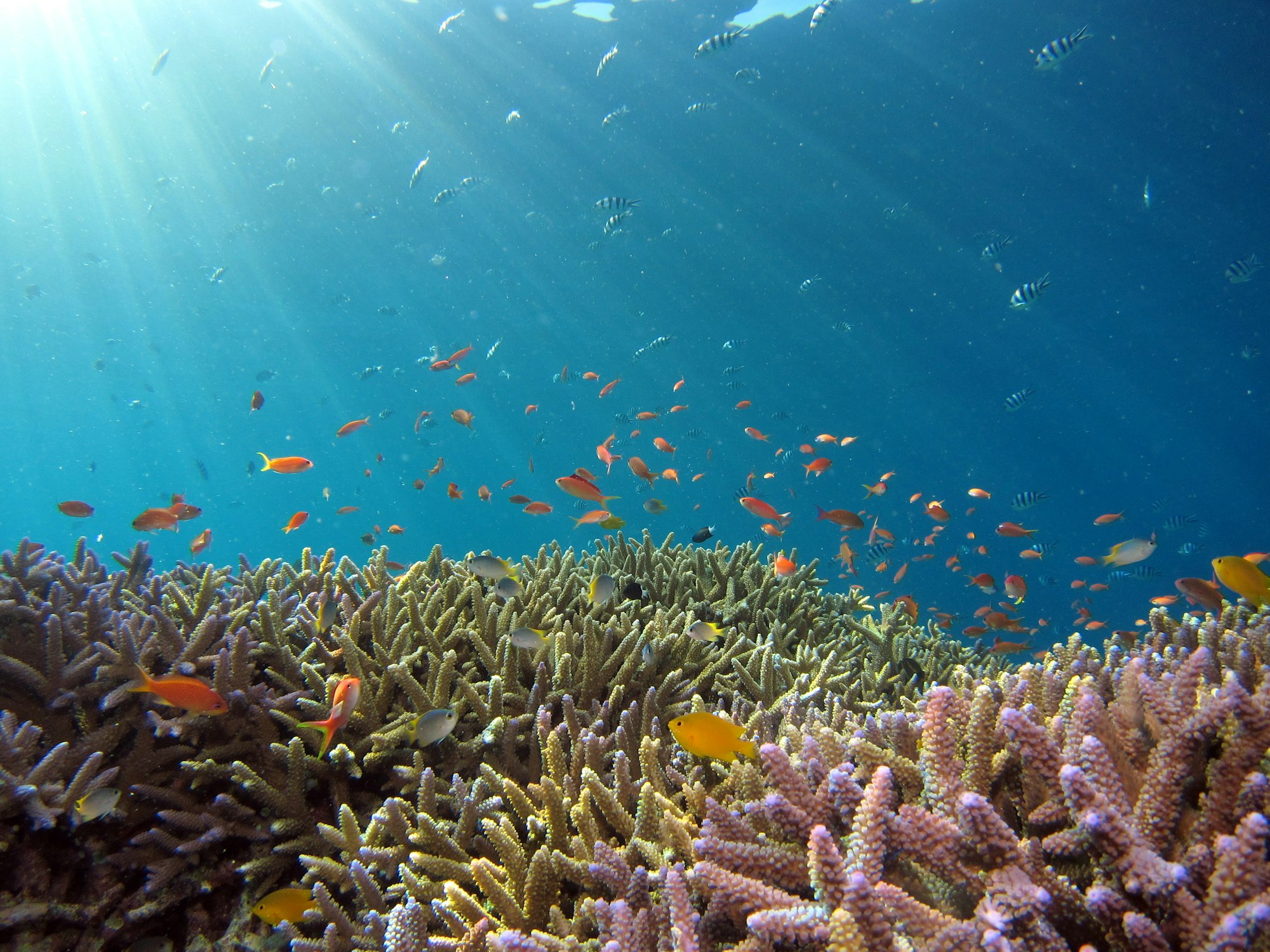
Pengah Kecil is a small submerged pinnacle in the eastern section of Komodo National Park, its current-swept flanks draped with impressive soft coral growth and frequented by an interesting mix of mid-sized reef predators and schooling fish.
Overview
Pengah Kecil (“Small Pengah”) is a compact pinnacle rising from the sandy bottom to around 8–10 meters below the surface in the eastern Komodo area. The exposed position in the channel between islands means the pinnacle experiences moderate to occasionally strong current, which feeds dense soft coral growth across its flanks. The dive descends from the pinnacle top to around 27 meters on the most sheltered side, then works back up through the various soft coral terrace levels. While not as extreme as Crystal Rock or Castle Rock, Pengah Kecil offers quality intermediate-level pinnacle diving in the classic Komodo style.
Site Information
- Location: Komodo National Park, East Nusa Tenggara, Indonesia (eastern park area)
- Entry Type: Boat dive
- Site Type: Pinnacle/seamount
- Difficulty Level: Intermediate
- Maximum Depth: 27 meters
- Typical Visibility: 15–25 meters
- Current: Moderate; occasionally strong
- Best Time: April to November
Marine Life
The soft coral coverage — orange and yellow sea fans, bushy alcyonarian corals — hosts the associated critters: gobies perching on sea fan branches, crinoids spread wide in the current. Schools of anthias shimmer around the coral formations. Sweetlips and snapper gather in sheltered grooves below the main pinnacle mass. White-tip reef sharks rest on the sandy bottom around the base. Hawksbill turtles visit the pinnacle to feed on the soft coral and sponge growth. The water column above the pinnacle holds smaller fish schools that attract juvenile blacktip sharks and trevally on feeding patrols.
Dive Profile
Descend to the pinnacle top and orient to the current direction. Work down the most coral-rich face to around 20–27 meters, then circuit the pinnacle base before ascending through the upper flanks and into the shallower section. The top of the pinnacle at 8–10 meters is an excellent place to observe smaller reef fish in calm, well-lit water before ascending for the safety stop.
Entry and Exit
Liveaboard or day boat access. The boat positions upstream; descend promptly to the pinnacle. Blue-water safety stop with SMB deployment, or hover at the pinnacle top if conditions allow.
Tips and Recommendations
- Look closely at sea fan branches for small gobies and sea fan shrimp — easily missed but rewarding
- The pinnacle base sand may hold garden eels in calm patches away from the main current
- A macro lens is worthwhile alongside the wide-angle setup
- Best on moderate incoming current for soft coral at full extension
- Combines well with other eastern Komodo sites such as Sabayor Kecil and Siaba Besar
Safety Considerations
Current can strengthen quickly on this exposed pinnacle, particularly as tidal phases change. Monitor air consumption and depth carefully on the deeper flanks. Always deploy an SMB before ascending into open water.
Photography
The combination of soft coral coverage and schooling fish makes Pengah Kecil suitable for mid-range wide-angle work — a 16–24mm lens captures pinnacle faces with fish schools. For macro, the sea fan faces reward very close inspection. Good ambient light in the upper 15 meters makes natural-light shooting viable.
Sources: Dragon Dive Komodo – Pengah Kecil, La Galigo Liveaboard – Pengah Kecil, ScubaDiving.place – Pengah Kecil. Last updated 2026-06-10.
Sea-surface temperature and wave height from Open-Meteo Marine (ERA5 reanalysis, monthly averages).
578 verified species observations (306 species) logged within ~11 km of this site between 1984 and 2023, from the Ocean Biodiversity Information System.
- Ctenochaetus striatus
- Acanthurus lineatus
- Amphiprion perideraion
- Mobula alfredi · Reef manta ray
- Eviota shimadai
- Pseudochromis
- Helcogramma kranos
- Pseudochromis flavopunctatus
- Eviota hoesei · Doug's Eviota
- Eviota queenslandica · Queensland Eviota
- Scorpaenodes parvipinnis · Coral Scorpionfish
- Discotrema crinophilum
Scientific survey records skew toward sampled taxa (molluscs, corals) and do not reflect what you are guaranteed to see on a dive.
Source: OBIS (obis.org), aggregated Darwin Core occurrence records.
Conditions change with the tide and the season. If you have dived this site, share what it was actually like — date, visibility, current, and what you saw. Real, recent reports from divers are exactly what this guide is built to collect.
Send a conditions report ›