Pillarsteen
8.6946°S 119.5676°E · pinnacle
Pillarsteen is a deep wall dive in the southern Komodo National Park area, named for the pillar-like rock formations along its face. The site reaches 40 meters and rewards divers with impressive gorgonian sea fans, resident reef sharks, and the atmospheric experience of a genuinely deep Komodo wall.
Overview
Pillarsteen is one of Komodo’s deeper wall sites, its face descending from a reef crest at 5–8 meters to well beyond 40 meters. The wall is characterised by vertical pillar-like rock formations that create a series of buttresses and chimneys along the face, each draped with gorgonian sea fans, black coral bushes, and encrusting sponges at depth. Currents run along the wall face with moderate consistency, supporting healthy coral growth and keeping visibility clear. The dive is accessible to divers with intermediate to advanced experience, though the 40-meter maximum depth demands careful planning and good buoyancy discipline.
Site Information
- Location: Komodo National Park, East Nusa Tenggara, Indonesia (southern park area)
- Entry Type: Boat dive
- Site Type: Pinnacle/seamount
- Difficulty Level: Advanced
- Maximum Depth: 40 meters
- Typical Visibility: 15–30 meters
- Current: Moderate; runs along the wall face
- Best Time: April to November
Marine Life
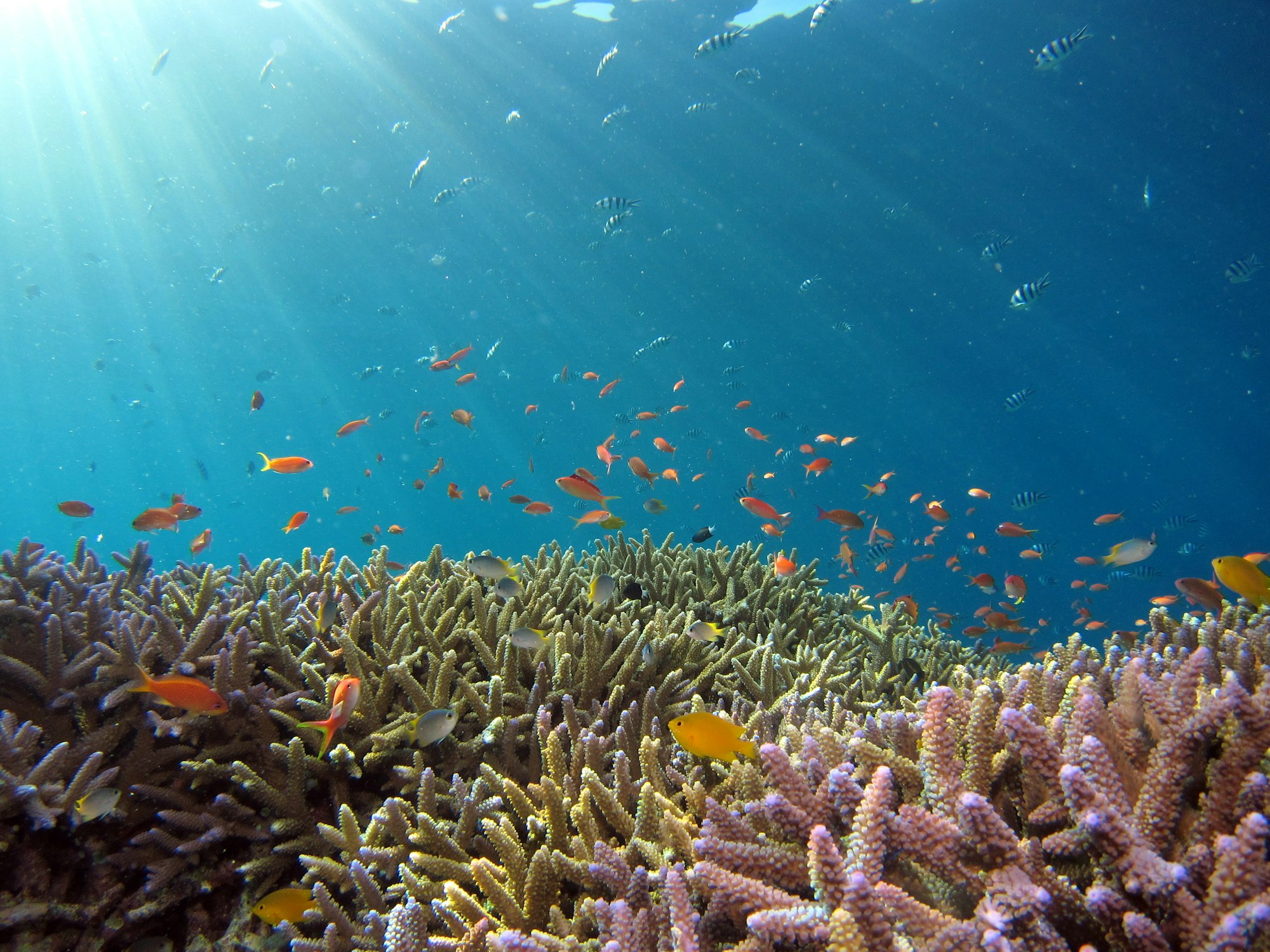
Large gorgonian sea fans dominate the deeper sections of the wall, starting around 20 meters and growing to impressive sizes by 35–40 meters. Long-nose hawkfish perch on the fan branches. Black coral trees at depth provide shelter for soldierfish and prawn. Grey reef sharks patrol the wall face at 20–35 meters; whitetip reef sharks occupy the sandy ledges at the base. Napoleon wrasse and large grouper inhabit the deeper zones. The upper wall has healthy hard corals and a busy reef fish community: butterflyfish, angelfish, and surgeonfish. Sea turtles rest on the wall’s ledges.
Dive Profile
Descend along the wall crest and plan your deepest point early in the dive. If diving to 35–40 meters, spend no more than 5–8 minutes in the deep section before ascending through the mid-wall at 15–25 meters where sea fans are most spectacular. The upper wall section (5–15 meters) offers good marine life and comfortable conditions for an extended safety stop. Plan dives conservatively to allow full no-decompression compliance.
Entry and Exit
Boat access. Controlled descent along the wall face. Blue-water safety stop with SMB deployment if current has pushed the group away from the wall. Always confirm your deepest planned depth with the guide before entry.
Tips and Recommendations
- This site benefits from proper dive planning for the deep section — use your dive computer and set conservative depth limits
- The sea fan section at 20–35 meters is the visual highlight; a single strobe on a wide-angle setup brings out the colour
- Carry a torch to inspect the chimneys and overhangs in the pillar formations
- A wetsuit of at least 5mm is recommended for the deeper, cooler sections
- Night dives at Pillarsteen reveal crinoids extending from their daytime hiding spots
Safety Considerations
Deep wall diving carries inherent risks of narcosis and exceeding no-decompression limits. Dive within your certification level and training — Advanced Open Water or equivalent is strongly recommended. Currents along the wall can push divers horizontally while they focus on depth, potentially creating drift separation from the group. Monitor air consumption carefully; plan to turn the dive at 100 bar minimum. Always deploy an SMB before surfacing.
Photography
The deep sea fans at Pillarsteen are world-class subjects. A wide-angle setup with twin strobes brings out the red and orange of the fan branches against the deep blue background. The pillar formations create natural framing opportunities for diver-with-fan compositions. At shallower depths, the wall texture of encrusting organisms makes compelling macro subjects in the chimneys and crevices.
Sources: Blue Marlin Dive – Komodo Dive Sites, ScubaBoard – Komodo North and South, SSI MyDiveGuide. Last updated 2026-06-10.
Sea-surface temperature and wave height from Open-Meteo Marine (ERA5 reanalysis, monthly averages).
262 verified species observations (194 species) logged within ~11 km of this site between 1970 and 2015, from the Ocean Biodiversity Information System.
- Pseudochromis
- Ostorhinchus komodoensis
- Trimma macrophthalmum · Flame Goby
- Fusigobius melacron
- Fusigobius humeralis
- Gobiidae · Gobies
- Plectranthias longimanus · Longfin Perchlet
- Apogon semiornatus · Half-band Cardinalfish
- Pseudochromis litus
- Ostorhinchus cyanosoma · English: Yellowstriped Cardinalfish (1)
- Paraluteres prionurus
- Pseudochromis perspicillatus
Scientific survey records skew toward sampled taxa (molluscs, corals) and do not reflect what you are guaranteed to see on a dive.
Source: OBIS (obis.org), aggregated Darwin Core occurrence records.
Conditions change with the tide and the season. If you have dived this site, share what it was actually like — date, visibility, current, and what you saw. Real, recent reports from divers are exactly what this guide is built to collect.
Send a conditions report ›