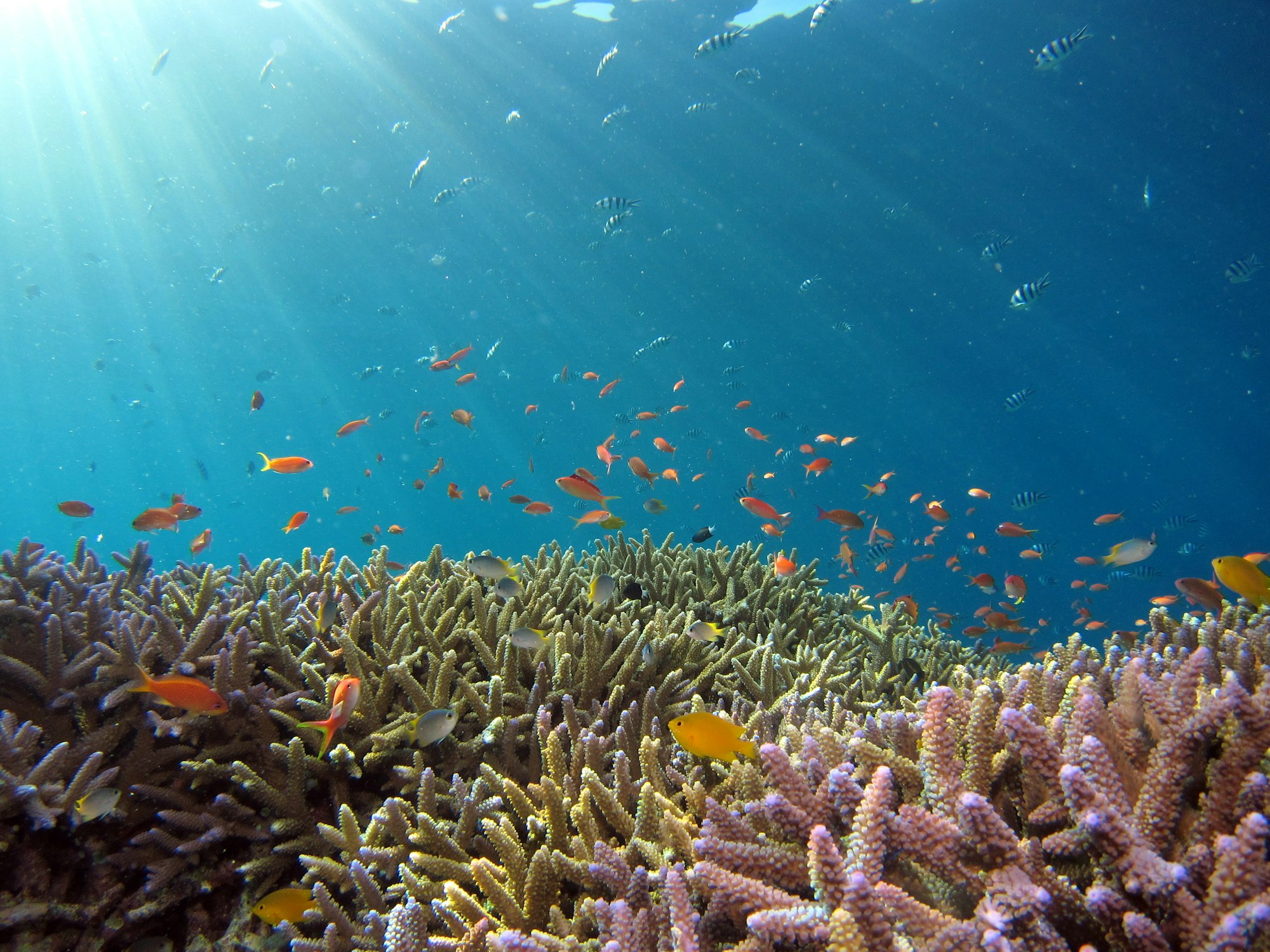
Pink Beach
8.6039°S 119.5184°E · reef
Pink Beach is one of Komodo National Park’s most visited sites, combining the visual spectacle of a rare pink-sand beach — its colour drawn from fragments of red coral — with a sloping reef that offers easy, colourful diving accessible to beginners and snorkellers alike.
Overview
Located on the eastern coast of Komodo Island, Pink Beach (separate from the similarly named Pantai Merah site also within the park) sits against a backdrop of rust-red volcanic hills and offers a directly accessible shore entry onto a shallow sloping reef. The dive site extends from the beach edge in 2–3 meters of water to a sandy bottom at around 25–30 meters. Currents here are generally mild, the reef is sheltered, and the water clarity is good. This makes it a natural choice for first dives in Komodo, check-out dives, and as a relaxed option on an itinerary otherwise dominated by advanced current sites.
Site Information
- Location: Komodo National Park, East Nusa Tenggara, Indonesia (eastern Komodo Island)
- Entry Type: Shore or boat entry
- Site Type: Reef
- Difficulty Level: Beginner
- Maximum Depth: 25 meters
- Typical Visibility: 12–20 meters
- Current: Light; occasionally moderate at the reef’s outer edge
- Best Time: April to November; manageable year-round
Marine Life
The reef at Pink Beach rewards both wide-ranging and slow, observational approaches. Sea turtles are regularly encountered grazing on the reef or resting on flat coral tables. Anemone communities hosting clownfish are distributed across the 5–15 meter zone. Schools of sergeant majors and chromis hover above the coral, while moorish idols and butterflyfish patrol the reef face. The sandy bottom at depth is productive for blue-spotted ribbontail rays and the occasional flatfish. Garden eels sway in the slight current in sandy patches near the reef base. Nudibranchs are found on closer inspection of encrusting organisms on rubble.
Dive Profile
Enter from the beach or the boat and descend along the sloping reef. The shallower section between 5–15 meters has the best coral coverage and fish density — this zone deserves the majority of dive time. Deeper exploration to 20–30 meters reveals the sandy base and its associated species. Return through the shallows for the safety stop, which can be done comfortably on the reef top in good visibility.
Entry and Exit
Shore entry from the beach is possible, or boat entry with a short swim to the reef. The beach requires wearing booties — sea urchins occupy the sandy beach edge. Exit at the same point; approach slowly and check for urchins before standing.
Tips and Recommendations
- The iconic pink sand is created by red coral fragments mixed with white sand — look for the coral pieces on the beach
- The shallows make this site excellent for snorkelling alongside divers
- Spend at least 20 minutes in the 5–15 meter zone before going deeper — this is where most marine life is concentrated
- Bring a macro setup for nudibranchs and critters on the rubble patches
- Visit early in the day before boats bring day-trippers who snorkel from the beach
Safety Considerations
The site is one of Komodo’s safest. The main hazard is the entry and exit over the urchin-populated beach edge — wear protective footwear. Light currents at the outer reef edge can develop on the ebb tide. Always carry an SMB. Supervise inexperienced divers closely on their descent and ascent.
Photography
Pink Beach is visually exceptional above water — the pink sand, turquoise water, and dramatic volcanic hills behind make it one of the most photographed beaches in Indonesia. Underwater, the excellent natural light in the shallows creates clean, bright images without strobes for coral and fish portraits. Wide-angle to capture the reef landscape; macro for the critters. Shooting back toward the beach from underwater in 3–5 meters reveals the pink sand glowing above.
Sources: Dive Komodo – Dive Sites, Dragon Dive Komodo – Top 10 Sites, Blue Marlin Dive – Komodo Dive Sites. Last updated 2026-06-10.
Sea-surface temperature and wave height from Open-Meteo Marine (ERA5 reanalysis, monthly averages).
1138 verified species observations (336 species) logged within ~11 km of this site between 1970 and 2023, from the Ocean Biodiversity Information System.
- Pseudochromis
- Gymnothorax
- Ostorhinchus cyanosoma · English: Yellowstriped Cardinalfish (1)
- Pseudochromis perspicillatus
- Pygoplites diacanthus
- Parapercis cylindrica
- Fowleria
- Fowleria vaiulae
- Centropyge tibicen · English: Keyhole angelfish (1)
- Synodus dermatogenys · English: Clearfin Lizardfish (1)
- Halichoeres chloropterus
- Cryptocentrus leptocephalus · Pink-speckled Shrimpgoby
Scientific survey records skew toward sampled taxa (molluscs, corals) and do not reflect what you are guaranteed to see on a dive.
Source: OBIS (obis.org), aggregated Darwin Core occurrence records.
Conditions change with the tide and the season. If you have dived this site, share what it was actually like — date, visibility, current, and what you saw. Real, recent reports from divers are exactly what this guide is built to collect.
Send a conditions report ›