Sabolon besar dive site
8.3927°S 119.8069°E · reef
Sabolon Besar dive site is a reef dive site in Komodo National Park, East Nusa Tenggara, Indonesia.
Overview
Sabolon Besar (“big Sabolon”) is the larger of two adjacent reef sites on the small Sabolon islands in the northeastern corner of Komodo National Park, close to the park boundary near Labuan Bajo. The Sabolon islands are low-lying and fringed with fringing reefs that benefit from exposure to both sheltered waters to the east and the more current-driven open park waters to the west. Sabolon Besar’s reef wraps around the island’s broader flank and offers the more expansive dive of the two Sabolon sites.
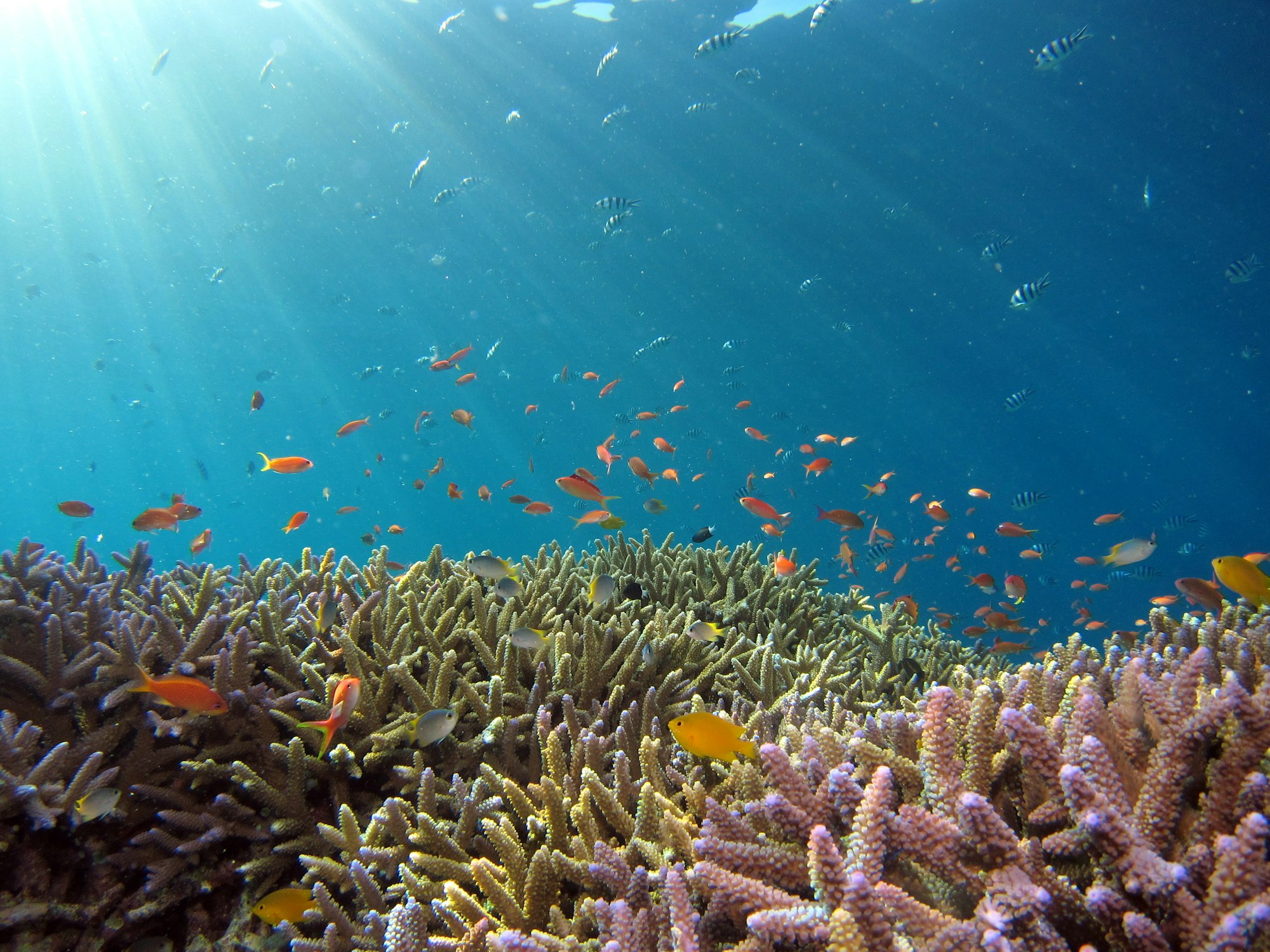
The reef at Sabolon Besar is characterised by a mixed hard coral garden descending to around 20 metres, with large Porites bommies rising from a sandy bottom interspersed with patches of rubble and smaller coral heads. The bommies are particularly rewarding to circle slowly — their bases shelter lionfish, scorpionfish, and resting whitetip sharks, while their tops are cleaned by busy wrasse stations. The sandy channels between bommies are good for eagle rays and blue-spotted stingrays, and juvenile reef fish are abundant in the shallower sections. The site is less current-exposed than many Komodo sites, making it a popular option for post-lunch or afternoon dives when tidal energy has diminished.
Proximity to Labuan Bajo means Sabolon Besar is regularly visited by both day-trip boats and liveaboards as a more accessible northern park site. It pairs naturally with Sabolon Kecil — many itineraries include both in sequence.
Key Species
- Whitetip reef sharks resting under bommie overhangs
- Blue-spotted stingrays on sandy channels
- Lionfish and scorpionfish camouflaged on bommie bases
- Eagle rays cruising sandy areas between coral heads
- Abundant juvenile reef fish in the shallows
Dive Profile
Most divers work a figure-eight route between the main bommies, ranging from 5 to 20 metres. The sandy bottom between bommies provides good critter hunting while the bommie tops offer colourful reef fish action and cleaner stations. The site’s topography allows for flexible navigation without strong current management.
Conditions
| Attribute | Details |
|---|---|
| Depth range | 5–20 m |
| Visibility | 12–25 m |
| Current | Light to moderate |
| Water temperature | 26–29°C |
| Best season | Year-round; April–November for optimal conditions |
| Entry/Exit | Boat; mooring buoys may be available |
Tips for Divers
Sabolon Besar is an excellent site to take time and work slowly around the bommies rather than rushing through. Bring a torch for the dark recesses beneath coral heads where scorpionfish and moray eels are easily overlooked. The site’s comparative calm makes it a good choice for photographers who need stable water to shoot macro subjects. Combine with Sabolon Kecil for a full double-site itinerary — the two sites show distinct character despite their proximity.
Sources: Blue Marlin Dive – Komodo Dive Sites, Wet Frog Divers – Komodo Dive Spots, SSI MyDiveGuide – Sabolan Besar. Last updated 2026-06-10.
Sea-surface temperature and wave height from Open-Meteo Marine (ERA5 reanalysis, monthly averages).
43 verified species observations (22 species) logged within ~11 km of this site between 1995 and 2018, from the Ocean Biodiversity Information System.
- Himantura uarnak
- Scolopsis taenioptera · Lattice Monocle Bream
- Parapercis tetracantha
- Platydoris sanguinea · スオウウミウシ
- Purpuradusta microdon
- Bistolida ursellus · Hon-saba-dakara
- Cypraea tigris · Tiger Cowry
- Lyncina vitellus · Milk-spotted Cowry
- Erronea caurica
- Sarcophyton trocheliophorum
- Lobophytum pauciflorum
- Haptosquilla glyptocercus
Scientific survey records skew toward sampled taxa (molluscs, corals) and do not reflect what you are guaranteed to see on a dive.
Source: OBIS (obis.org), aggregated Darwin Core occurrence records.
Conditions change with the tide and the season. If you have dived this site, share what it was actually like — date, visibility, current, and what you saw. Real, recent reports from divers are exactly what this guide is built to collect.
Send a conditions report ›