Sabolon kecil dive site
8.3897°S 119.7984°E · pinnacle
Sabolon Kecil dive site is a reef dive site in Komodo National Park, East Nusa Tenggara, Indonesia.
Overview
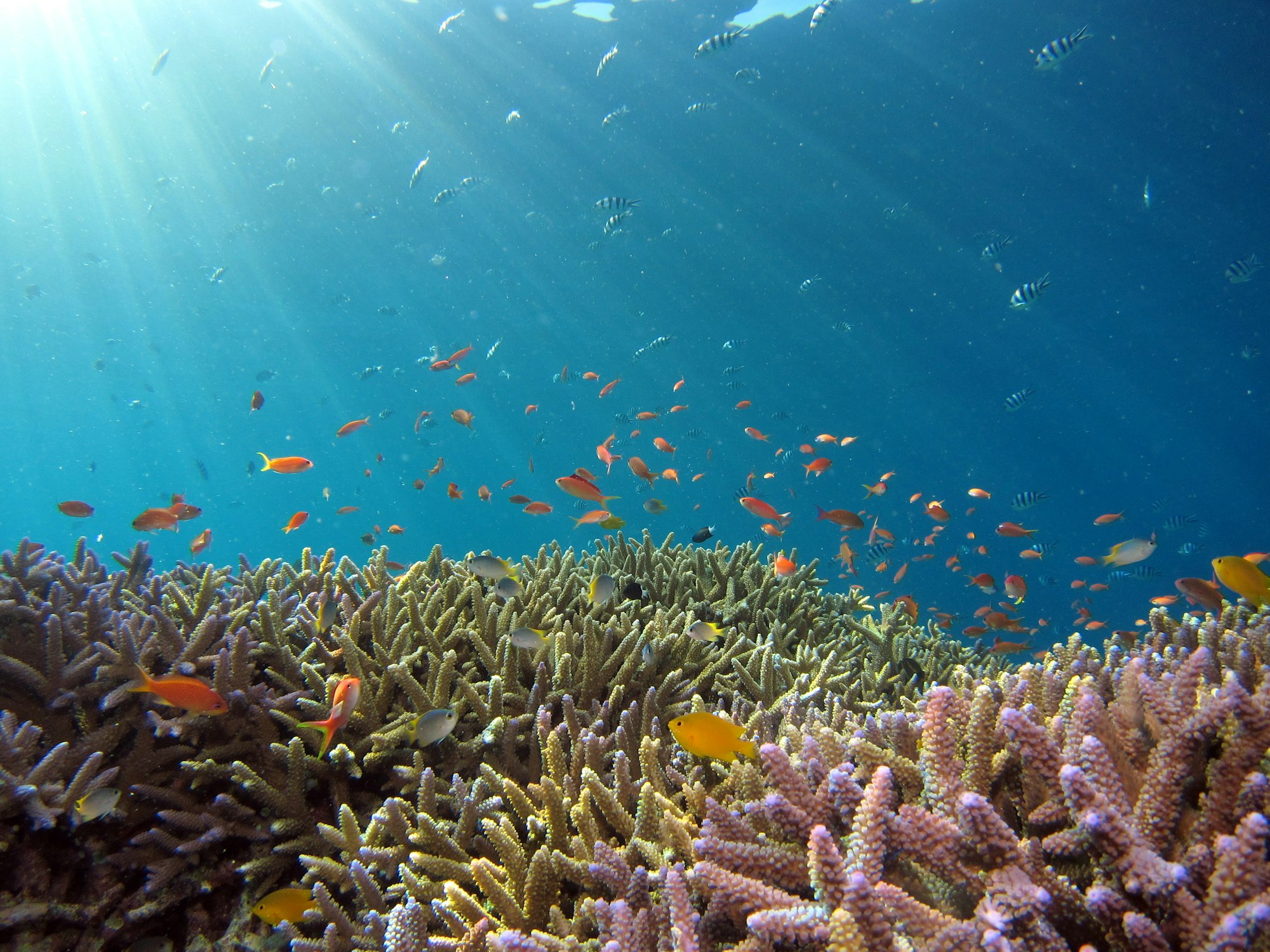
Sabolon Kecil (“small Sabolon”) is the smaller and more compact of the two Sabolon island reef sites at the northeastern edge of Komodo National Park. The island itself is barely above sea level and its reef fringe is consequently tighter, producing a more concentrated diving experience than its larger neighbour. The reduced area means fish densities can feel higher — the reef supports a dense community of reef species competing for territory on a smaller patch of coral habitat.
The site features a narrow reef crest that drops into a slope of mixed hard and soft corals, with scattered coral outcrops on a sandy floor at around 15–20 metres. The smaller scale suits a detailed, exploratory diving style: the rubble zones along the base of the slope are productive for macro subjects including nudibranchs, ghost pipefish, and flamboyant cuttlefish. The shallower reef crest has good hard coral coverage and is frequented by hawksbill turtles, a species seen reliably at both Sabolon sites.
Current exposure at Sabolon Kecil is light to moderate and the site lacks the aggressive channel flows common elsewhere in Komodo, making it accessible for divers who have current experience but prefer a site where they can slow down and explore. The close proximity to Sabolon Besar means the two sites are typically dived together in a morning or afternoon boat trip from Labuan Bajo.
Key Species
- Hawksbill turtles on the reef crest (regularly sighted)
- Nudibranchs, ghost pipefish, and cuttlefish in rubble zones
- Reef octopus under coral outcrops
- Moray eels and spotted garden eels on the sandy floor
- Surgeonfish and parrotfish grazing the crest
Dive Profile
Divers typically begin at the reef crest (5–8 m) and work down the slope to the sandy floor at 15–20 m before ascending back through the coral outcrops. The compact site rewards slow, observant diving rather than horizontal coverage. Allow 50–60 minutes to thoroughly work the rubble and coral zones.
Conditions
| Attribute | Details |
|---|---|
| Depth range | 5–20 m |
| Visibility | 12–22 m |
| Current | Light to moderate |
| Water temperature | 26–29°C |
| Best season | Year-round; April–November for optimal conditions |
| Entry/Exit | Boat |
Tips for Divers
Sabolon Kecil rewards patient, slow diving. Spending 10–15 minutes working a single rubble patch can yield multiple nudibranch species. A macro lens setup is well worth bringing if combined with the nearby Seraya Kecil site in the same trip. Early morning dives when light is low and animals are active produce the best turtle and octopus encounters.
Sources: SSI MyDiveGuide – Sabolon Kecil, Wet Frog Divers – Komodo Dive Spots, Blue Marlin Dive – Komodo Dive Sites. Last updated 2026-06-10.
Sea-surface temperature and wave height from Open-Meteo Marine (ERA5 reanalysis, monthly averages).
43 verified species observations (22 species) logged within ~11 km of this site between 1995 and 2018, from the Ocean Biodiversity Information System.
- Himantura uarnak
- Scolopsis taenioptera · Lattice Monocle Bream
- Parapercis tetracantha
- Platydoris sanguinea · スオウウミウシ
- Purpuradusta microdon
- Bistolida ursellus · Hon-saba-dakara
- Cypraea tigris · Tiger Cowry
- Lyncina vitellus · Milk-spotted Cowry
- Erronea caurica
- Sarcophyton trocheliophorum
- Lobophytum pauciflorum
- Haptosquilla glyptocercus
Scientific survey records skew toward sampled taxa (molluscs, corals) and do not reflect what you are guaranteed to see on a dive.
Source: OBIS (obis.org), aggregated Darwin Core occurrence records.
Conditions change with the tide and the season. If you have dived this site, share what it was actually like — date, visibility, current, and what you saw. Real, recent reports from divers are exactly what this guide is built to collect.
Send a conditions report ›