Sebayur dive site
8.5046°S 119.7079°E · reef
Sebayur dive site is a reef dive site in Komodo National Park, East Nusa Tenggara, Indonesia.
Overview
Sebayur Island sits roughly halfway between Labuan Bajo and the main Komodo and Rinca islands, making it one of the most accessible dive sites within the national park. The fringing reef around Sebayur is a staple on day-trip itineraries from Labuan Bajo and is frequently used as a checkout dive or first park dive for newly arrived guests. Liveaboards often stop here in the afternoon before pushing further into the park the following day.
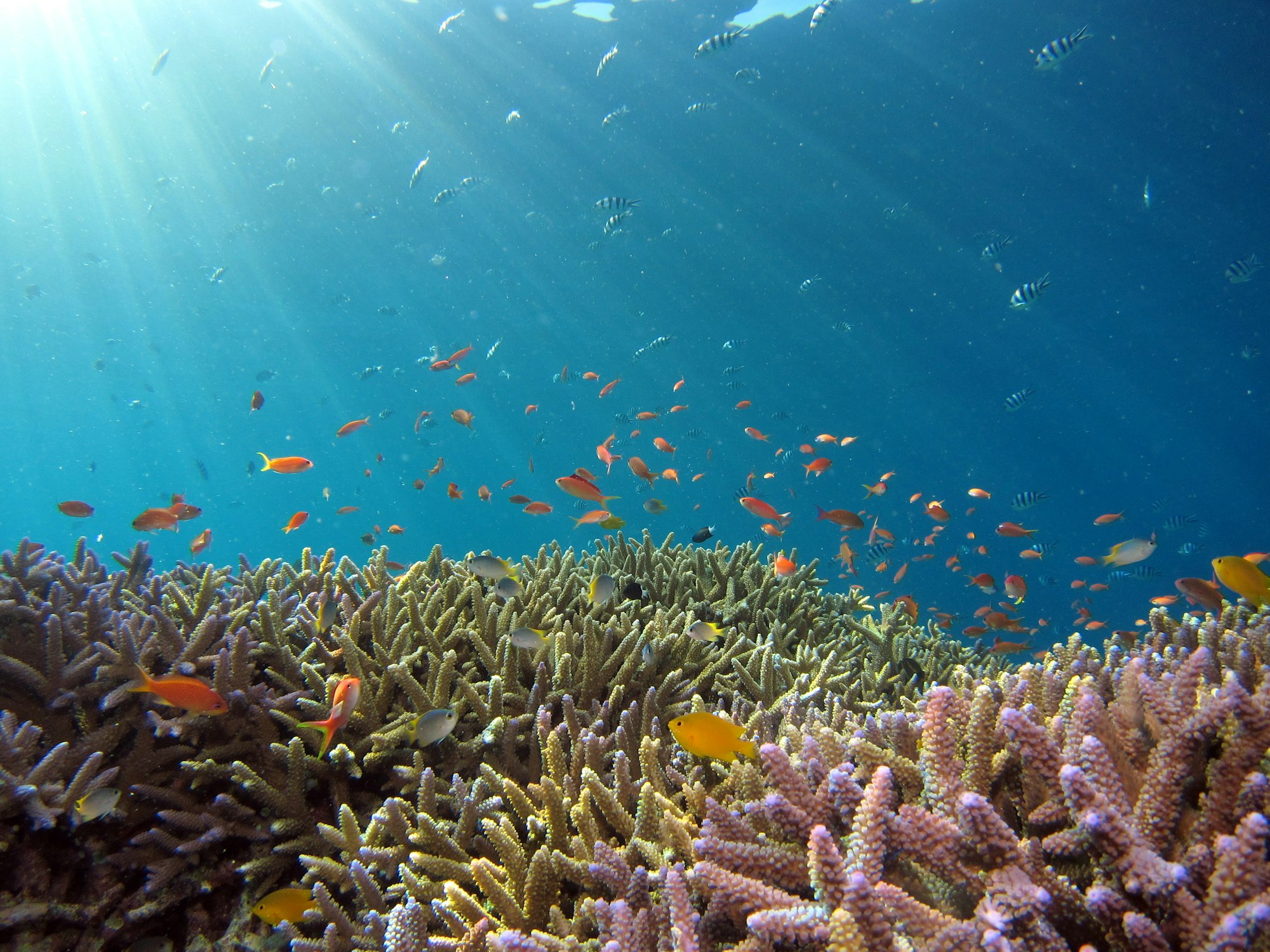
The reef is a classic, broad fringing structure with a coral garden beginning at around 3 metres and extending down a gentle slope to the sandy bottom at 15–20 metres. Hard coral coverage is good, with a mix of plate corals, brain corals, and staghorn thickets forming an interconnected reef structure. The site’s sheltered aspect means currents are generally mild, allowing beginner divers and snorkellers to explore comfortably alongside more experienced divers working the deeper sections.
Sebayur’s fish life is reliably active: the shallows teem with damselfish, chromis, and schooling glassfish that attract predatory trevally, while the deeper slope sees larger residents including Napoleon wrasse, bumphead parrotfish on morning visits, and small blacktip reef sharks that patrol the reef perimeter. The beach at Sebayur is a good snorkelling ground and the island is also known for Komodo dragon sightings on shore. The combination of easy diving, wildlife above and below water, and short travel time makes Sebayur a popular choice for divers of all levels.
Night diving is also conducted here — the shallow sandy bottom and sheltered conditions produce good sightings of hunting octopus, sleeping parrotfish, and occasional decorator crabs after dark.
Key Species
- Blacktip reef sharks patrolling the reef perimeter
- Napoleon wrasse on morning dives
- Hunting octopus and decorator crabs on night dives
- Schooling glassfish attracting trevally ambushes
- Hawksbill turtles resting on deeper reef sections
Dive Profile
The gentle slope profile is ideal for beginners: divers descend to 8–12 metres for the main exploration, spending time on the coral garden before ascending to the 3–5 m reef crest for a comfortable safety stop. Night dives typically stay in the 5–12 m zone over the sandy patches adjacent to the reef.
Conditions
| Attribute | Details |
|---|---|
| Depth range | 3–20 m |
| Visibility | 12–25 m |
| Current | Light; occasionally moderate on tidal peaks |
| Water temperature | 26–30°C |
| Best season | Year-round; accessible in most weather conditions |
| Entry/Exit | Boat; beach entry possible at the island |
Tips for Divers
Sebayur is one of Komodo’s most forgiving dive sites and an ideal introduction to the park for those unfamiliar with Indonesian reef diving. The site doubles as an excellent night dive — ask your operator to include it if the schedule allows. Arrive early for the best chance of bumphead parrotfish on the reef, as they typically move off by mid-morning. Combine with Seraya Kecil or the Sabolon sites for a full northern-sector day trip.
Sources: DiveHappy – Sebayur Kecil, SSI MyDiveGuide – Sebayur Kecil, PADI – Sebayur Kecil. Last updated 2026-06-10.
Sea-surface temperature and wave height from Open-Meteo Marine (ERA5 reanalysis, monthly averages).
580 verified species observations (266 species) logged within ~11 km of this site between 1984 and 2023, from the Ocean Biodiversity Information System.
- Ctenochaetus striatus
- Acanthurus lineatus
- Amphiprion perideraion
- Rastrelliger kanagurta
- Scomberomorus commerson
- Helcogramma kranos
- Pseudochromis flavopunctatus
- Discotrema crinophilum
- Pseudochromis
- Ecsenius bicolor
- Eviota sigillata
- Onychoprion anaethetus
Scientific survey records skew toward sampled taxa (molluscs, corals) and do not reflect what you are guaranteed to see on a dive.
Source: OBIS (obis.org), aggregated Darwin Core occurrence records.
Conditions change with the tide and the season. If you have dived this site, share what it was actually like — date, visibility, current, and what you saw. Real, recent reports from divers are exactly what this guide is built to collect.
Send a conditions report ›