Seraya kecil dive site
8.4181°S 119.8625°E · muck
Seraya Kecil dive site is a muck and reef dive site near Labuan Bajo, at the eastern edge of Komodo National Park, East Nusa Tenggara, Indonesia.
Overview
Seraya Kecil (“small Seraya”) is one of the most celebrated macro and muck diving sites in the Komodo region, a reputation that stands apart from the park’s better-known current and pelagic diving. The site lies close to the town of Seraya on Flores, just outside the eastern park boundary near Labuan Bajo, and is accessible from the harbour as a short day-trip boat ride. It has developed a devoted following among underwater photographers and critter hunters who make the trip specifically for its exceptional diversity of small, unusual marine life.
The dive site comprises a black-sand and rubble slope descending from a shallow reef edge at around 3 metres to a black-sand bottom at 15–20 metres. This habitat — typical muck diving terrain — supports an extraordinary cast of macro subjects. Mimic octopus and wonderpus octopus are both recorded here, their cryptic colouring against the dark substrate making them challenging but rewarding finds. Flamboyant cuttlefish hunt across the rubble in their spectacular colour-changing display. Ghost pipefish, frogfish in multiple colour variants, blue-ringed octopus, and ornate ghostpipefish are consistent finds. The rubble also produces a rich nudibranch fauna, with dozens of species recorded across repeat dives.
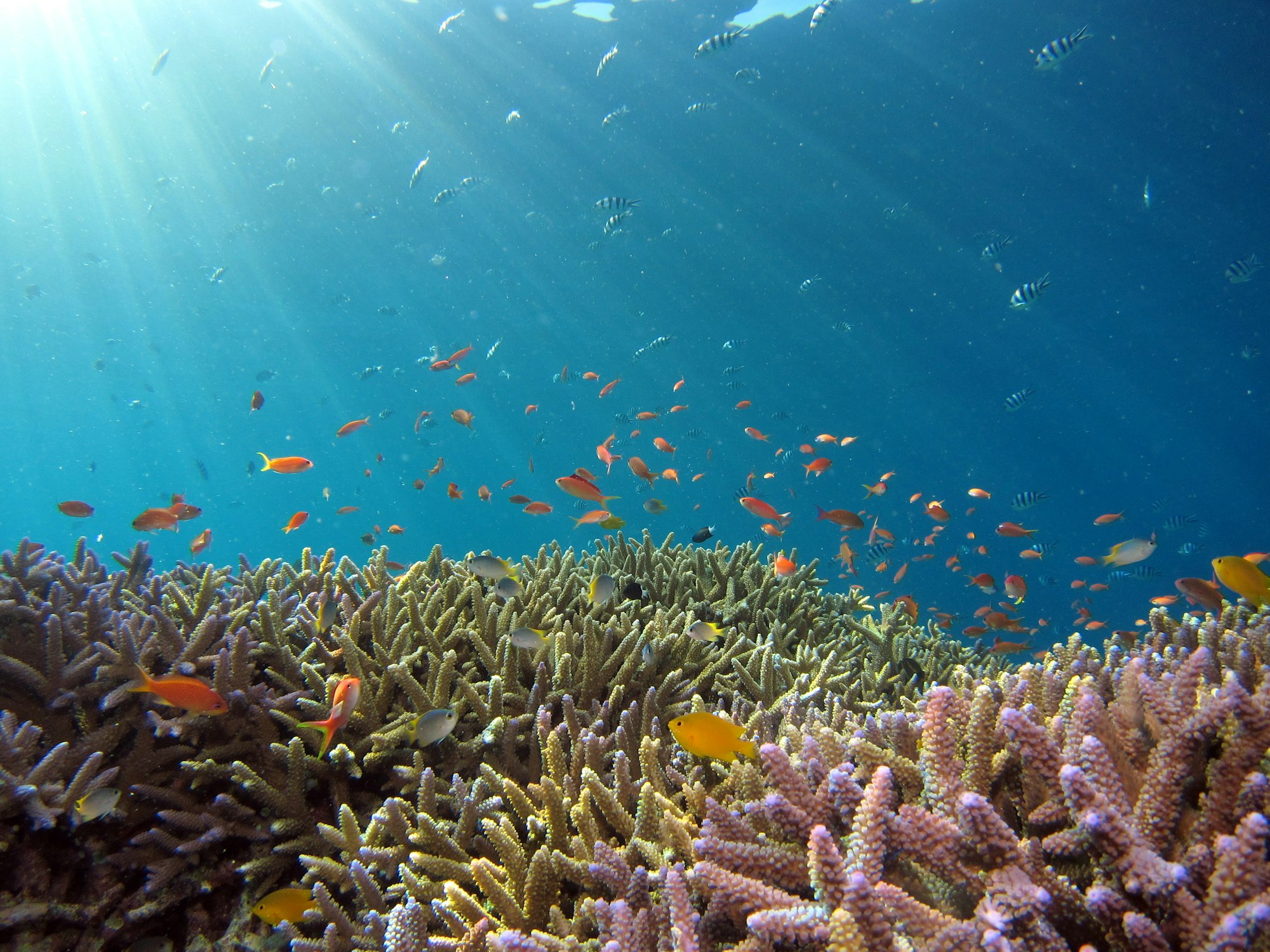
Beyond the headline muck species, Seraya Kecil has resident mantis shrimp in their burrows, robust ghost pipefish in seagrass patches, and ribbon eels at various stages of their sex-change cycle. The shallow reef edge supports cleaner stations and small reef fish schools, providing a transition between muck and conventional reef diving in a single dive. Visibility is moderate — typically 8–15 metres — but the slow pace required for macro hunting makes this irrelevant.
Key Species
- Mimic octopus and wonderpus octopus (both reliably present)
- Flamboyant cuttlefish hunting on black sand
- Frogfish in multiple colour variants (black, white, orange)
- Ghost pipefish and ornate ghostpipefish in rubble and seagrass
- Blue-ringed octopus — treat with extreme caution
- Ribbon eels (blue, yellow, and black developmental stages)
Dive Profile
Divers typically descend to the black sand bottom (12–18 m) and spend the majority of the dive working slowly upcurrent across the rubble and sand patches. The pace is slow — a thorough dive over 100 metres of substrate is typical. Ascending back up the slope through the rubble zone often reveals additional subjects missed on the descent. The shallow reef edge is used for the safety stop.
Conditions
| Attribute | Details |
|---|---|
| Depth range | 3–20 m |
| Visibility | 8–15 m (lower in rainy season with runoff) |
| Current | Light to minimal — essential for muck diving |
| Water temperature | 26–29°C |
| Best season | April–November; muck diving possible year-round |
| Entry/Exit | Boat |
Tips for Divers
Seraya Kecil is best approached with a specific macro mindset: slow down, hover close to the substrate, and spend time on likely habitat rather than covering distance. A knowledgeable local guide dramatically increases sighting rates for cryptic species like mimic octopus and frogfish. The blue-ringed octopus found here is genuinely dangerous — observe from a distance and never touch. Night dives at Seraya Kecil produce spectacular hunting behaviour from octopus and cuttlefish. Bring a macro lens; wide-angle has little application at this site.
Sea-surface temperature and wave height from Open-Meteo Marine (ERA5 reanalysis, monthly averages).
56 verified species observations (29 species) logged within ~11 km of this site between 1995 and 2018, from the Ocean Biodiversity Information System.
- Scolopsis taenioptera · Lattice Monocle Bream
- Himantura uarnak
- Nemipterus hexodon · Gold Perch
- Pentapodus
- Scolopsis affinis · Bridled Monocle Bream
- Parapercis tetracantha
- Platydoris sanguinea · スオウウミウシ
- Purpuradusta microdon
- Bistolida ursellus · Hon-saba-dakara
- Cypraea tigris · Tiger Cowry
- Lyncina vitellus · Milk-spotted Cowry
- Erronea caurica
Scientific survey records skew toward sampled taxa (molluscs, corals) and do not reflect what you are guaranteed to see on a dive.
Source: OBIS (obis.org), aggregated Darwin Core occurrence records.
Conditions change with the tide and the season. If you have dived this site, share what it was actually like — date, visibility, current, and what you saw. Real, recent reports from divers are exactly what this guide is built to collect.
Send a conditions report ›