Tatawa Kecil dive site
8.5252°S 119.6332°E · drift
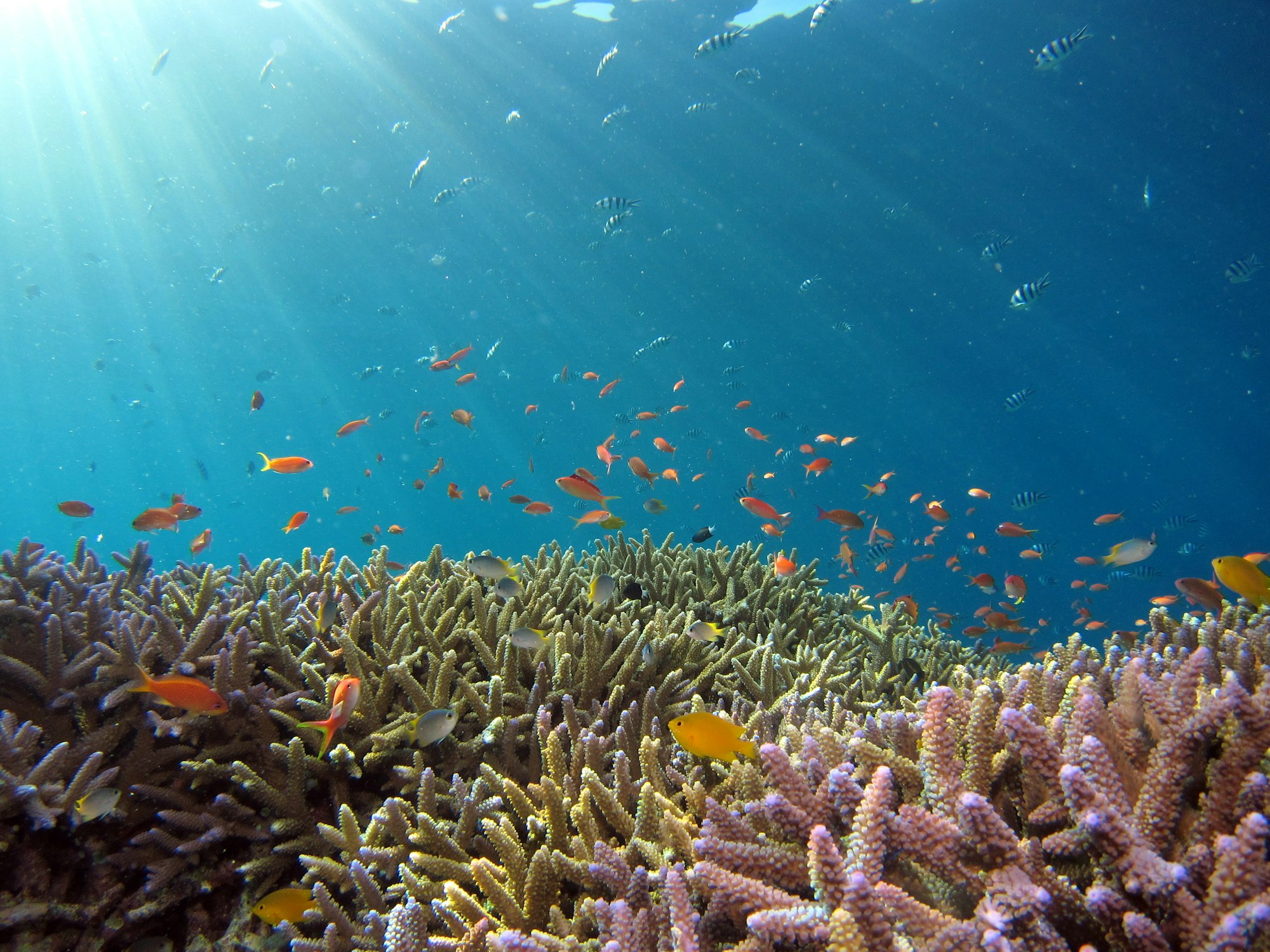
Tatawa Kecil (Small Tatawa) is one of Komodo’s most intense drift dives — a narrow island in the central park whose flanks are swept by powerful currents, producing wall-to-wall soft coral and an almost overwhelming density of reef fish.
Overview
Tatawa Kecil is a small island in the central section of Komodo National Park, its sloping reef sides channelling tidal flow into fierce currents that keep the coral vibrant and the fish life extraordinary. The site is typically dived as a drift along the southern or northern flank depending on tidal direction, descending to 20–30 meters on a steep slope before riding the current up to 5–10 meters and drifting to the boat. The coral cover here — both hard and soft — is considered among the best in Komodo. Advanced drift diving skills are required: the current can run at 2–3 knots and occasionally reverses without warning.
Site Information
- Location: Komodo National Park, East Nusa Tenggara, Indonesia
- Entry Type: Boat dive
- Site Type: Drift dive
- Difficulty Level: Advanced
- Maximum Depth: 35 meters
- Typical Visibility: 15–30 meters
- Current: Strong to very strong; direction tide-dependent
- Best Time: April to November (dry season)
Marine Life
The steep soft coral-draped slope hosts a spectacular mix of reef species. Schools of sergeant majors, anthias, and fusiliers create curtains of colour against the coral backdrop. Hawksbill turtles graze on sponges at mid-depth. White-tip and grey reef sharks patrol below 20 meters. Napoleon wrasse cruise through the current edge, and bumphead parrotfish occasionally pass in tight schools. Blue-ribbon eels peer from burrows in sandy patches between coral heads. At depth, large sea fans and black coral bushes harbour small critters including gobies and porcelain crabs.
Dive Profile
Drop into the current on the upstream side of the island and let it carry you along the slope. The guide typically leads the group deeper early to take advantage of the richest coral terrain, then angles shallower as the dive progresses. A blue-water safety stop is common when the current is strong — inflate your SMB at 5 meters and let the boat track your position. In very strong flow, consider a reef hook on the first section to allow observation without exhausting effort.
Entry and Exit
Liveaboard or day boat access. The skipper positions upstream and divers drop in together, descending immediately. Exit is via pickup from the boat after a blue-water safety stop — SMB deployment is essential.
Tips and Recommendations
- A reef hook is a worthwhile addition to your kit for this site
- Dive the site early before the tide strengthens for the most manageable conditions
- Wide-angle photography is ideal — coral-draped slope with fish-packed water column
- The shallows at the island’s tip are sometimes calm enough for a relaxed end to the dive
- Bring a 3mm wetsuit; thermoclines can occur in this area
Safety Considerations
Strong and occasionally shifting currents are the primary hazard. Down-currents can develop on the downstream end of the island — experienced guides will brief on which side to avoid. Stay close to your buddy and the guide. Always carry an SMB and never ascend without deploying it in open water. This site is not appropriate for divers with less than 50 logged dives.
Photography
Tatawa Kecil is a wide-angle dream: slopes blanketed in orange and purple soft corals, schools of fish backlit against blue water, and the occasional shark or turtle gliding through. The high fish density makes it easy to fill the frame — choose your exposure for the coral and let the fish come to you.
Sources: Blue Marlin Dive – Komodo Dive Sites, Dragon Dive Komodo – Komodo Dive Sites, Diveconcepts – Tatawa Kecil. Last updated 2026-06-10.
Sea-surface temperature and wave height from Open-Meteo Marine (ERA5 reanalysis, monthly averages).
978 verified species observations (292 species) logged within ~11 km of this site between 1984 and 2023, from the Ocean Biodiversity Information System.
- Ctenochaetus striatus
- Amphiprion perideraion
- Acanthurus lineatus
- Pseudochromis flavopunctatus
- Pseudochromis
- Eviota hoesei · Doug's Eviota
- Eviota queenslandica · Queensland Eviota
- Scorpaenodes parvipinnis · Coral Scorpionfish
- Discotrema crinophilum
- Ecsenius bicolor
- Discotrema
- Nectamia fusca · Dusky Cardinal
Scientific survey records skew toward sampled taxa (molluscs, corals) and do not reflect what you are guaranteed to see on a dive.
Source: OBIS (obis.org), aggregated Darwin Core occurrence records.
Conditions change with the tide and the season. If you have dived this site, share what it was actually like — date, visibility, current, and what you saw. Real, recent reports from divers are exactly what this guide is built to collect.
Send a conditions report ›