The Cauldron Dive Site
8.4609°S 119.5634°E · drift
The Cauldron — also called the Shotgun — is Komodo’s most exhilarating pure current experience: a submerged channel between Gili Lawa Laut and the main reef that funnels tidal flow into a liquid rollercoaster, firing divers through the passage in under two minutes.
Overview
Located in the northern section of Komodo National Park near Gili Lawa Laut, The Cauldron consists of a shallow bowl-shaped reef that opens into a narrow channel. As the tide pushes water through, the bowl creates a swirling, turbulent “washing machine” effect before divers are blasted through the channel exit and deposited onto a calmer outer reef slope. The dive requires precise timing — too early or too late in the tidal cycle and the site either has no current at all or is simply too dangerous to enter. When conditions are right, it is one of the most memorable drift dives in Indonesia.
Site Information
- Location: Komodo National Park, East Nusa Tenggara, Indonesia (Gili Lawa Laut area)
- Entry Type: Boat dive
- Site Type: Drift dive
- Difficulty Level: Advanced
- Maximum Depth: 25 meters
- Typical Visibility: 10–25 meters
- Current: Extremely strong during tidal flow; site-specific briefing essential
- Best Time: April to November; must be timed precisely with tidal tables
Marine Life
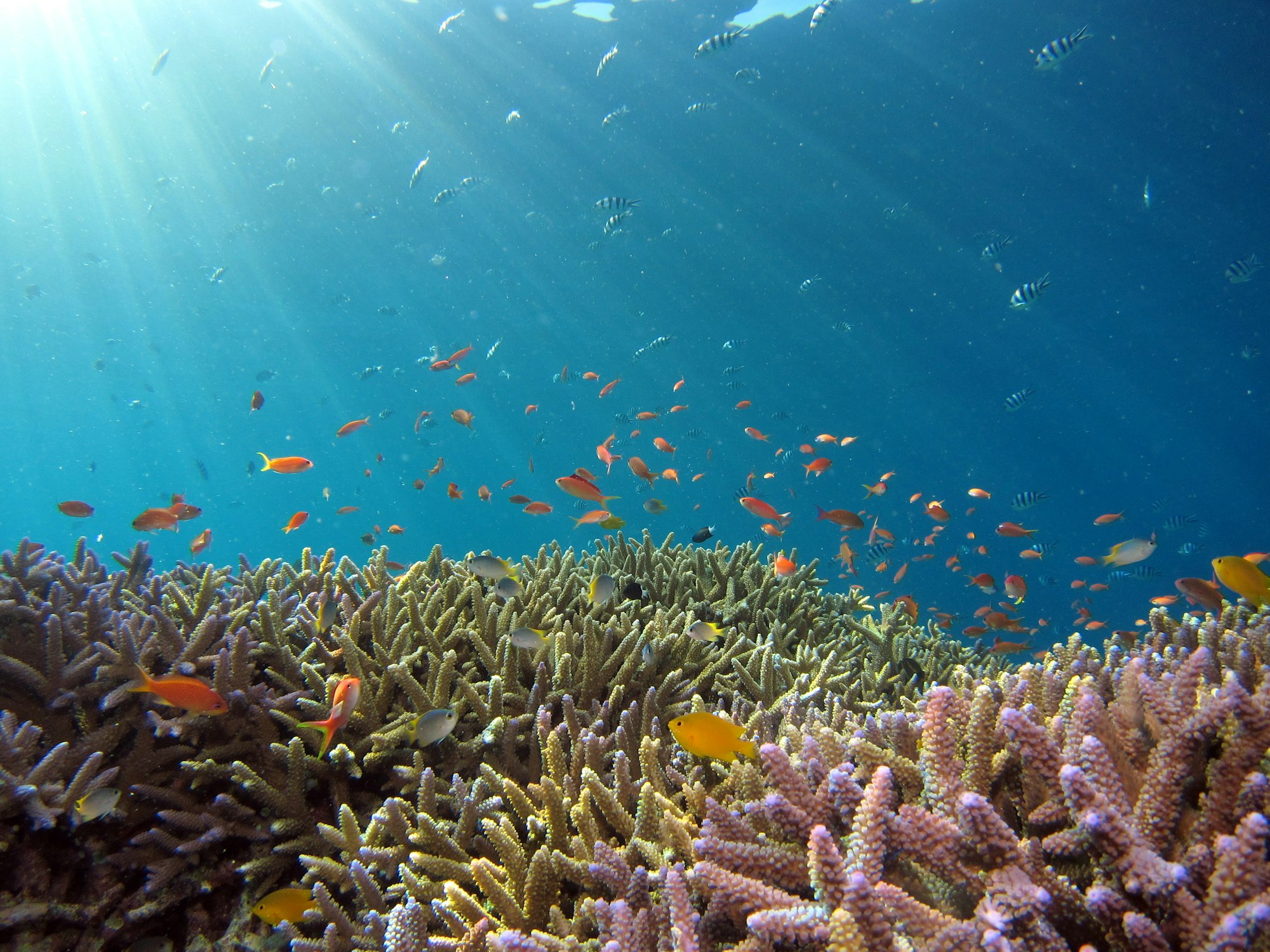
The nutrient surge through the channel supports excellent fish life. Schools of fusiliers, surgeonfish, and snapper gather at the channel entrance. White-tip reef sharks rest on the sand in the bowl before the rush begins. Manta rays are frequently encountered on the outer reef slope at the channel exit, where upwellings carry plankton to the surface. Sea turtles are common throughout. The hard coral on the outer slope is healthy and colourful, a reward for surviving the passage.
Dive Profile
Enter upstream of the bowl on the guide’s signal. The current accelerates as you reach the bowl — control your buoyancy to avoid bouncing off the bottom, and neither fin hard nor fight the flow. Spread arms and legs slightly to stabilise and enjoy the ride. The channel section lasts roughly 60–90 seconds before depositing you onto the outer slope at around 18–22 meters. The rest of the dive is a relaxed drift along the slope in much calmer water, rising gradually for a blue-water safety stop.
Entry and Exit
The boat drops divers upstream; the skipper races around Gili Lawa Laut to collect everyone at the channel exit on the outer reef. Keep your SMB ready to deploy for the safety stop, as the current will have pushed you well away from any fixed reference. The guide leads the entry — do not jump in before the signal.
Tips and Recommendations
- Listen carefully to the current-timing briefing — this dive depends entirely on doing it at the right moment
- Do not fight the current inside the channel; relax, streamline your gear, and let it carry you
- Keep your mask pressed firmly; the turbulence at the bowl entrance can pull it off
- The outer slope after the channel exit is an excellent place to linger for manta rays — arrive with sufficient air
- Loose equipment such as cameras on long lanyards should be secured before entry
Safety Considerations
The Cauldron is not suitable for divers without experience in strong current diving. The “washing machine” turbulence can be disorienting, and a panicked diver who fights the flow can exhaust their air supply rapidly. If the guide signals abort before entry, follow immediately. Strong currents can also push divers deeper than planned in the bowl — monitor your depth constantly. Always carry an SMB and deploy it at the start of your safety stop.
Photography
The brief transit through the channel makes conventional photography difficult, but the outer slope offers excellent wide-angle opportunities. Manta rays on the sloping reef, schools of fish at the channel exit, and healthy hard corals make for compelling images. Secure your camera rig tightly before entering the Cauldron section.
Sources: Blue Marlin Dive – Komodo Dive Sites, Dragon Dive Komodo – Top 10 Sites, Stingy Nomads – Diving Komodo. Last updated 2026-06-10.
Sea-surface temperature and wave height from Open-Meteo Marine (ERA5 reanalysis, monthly averages).
516 verified species observations (215 species) logged within ~11 km of this site between 1970 and 2023, from the Ocean Biodiversity Information System.
- Mobula alfredi · Reef manta ray
- Ecsenius bathi
- Pseudochromis flavopunctatus
- Helcogramma striata
- Pseudochromis
- Ecsenius bicolor
- Helcogramma kranos
- Malacanthus latovittatus
- Discotrema crinophilum
- Enneapterygius tutuilae
- Synchiropus morrisoni
- Nannosalarias nativitatis
Scientific survey records skew toward sampled taxa (molluscs, corals) and do not reflect what you are guaranteed to see on a dive.
Source: OBIS (obis.org), aggregated Darwin Core occurrence records.
Conditions change with the tide and the season. If you have dived this site, share what it was actually like — date, visibility, current, and what you saw. Real, recent reports from divers are exactly what this guide is built to collect.
Send a conditions report ›