Mandolin
1.6112°N 124.7329°E · wall
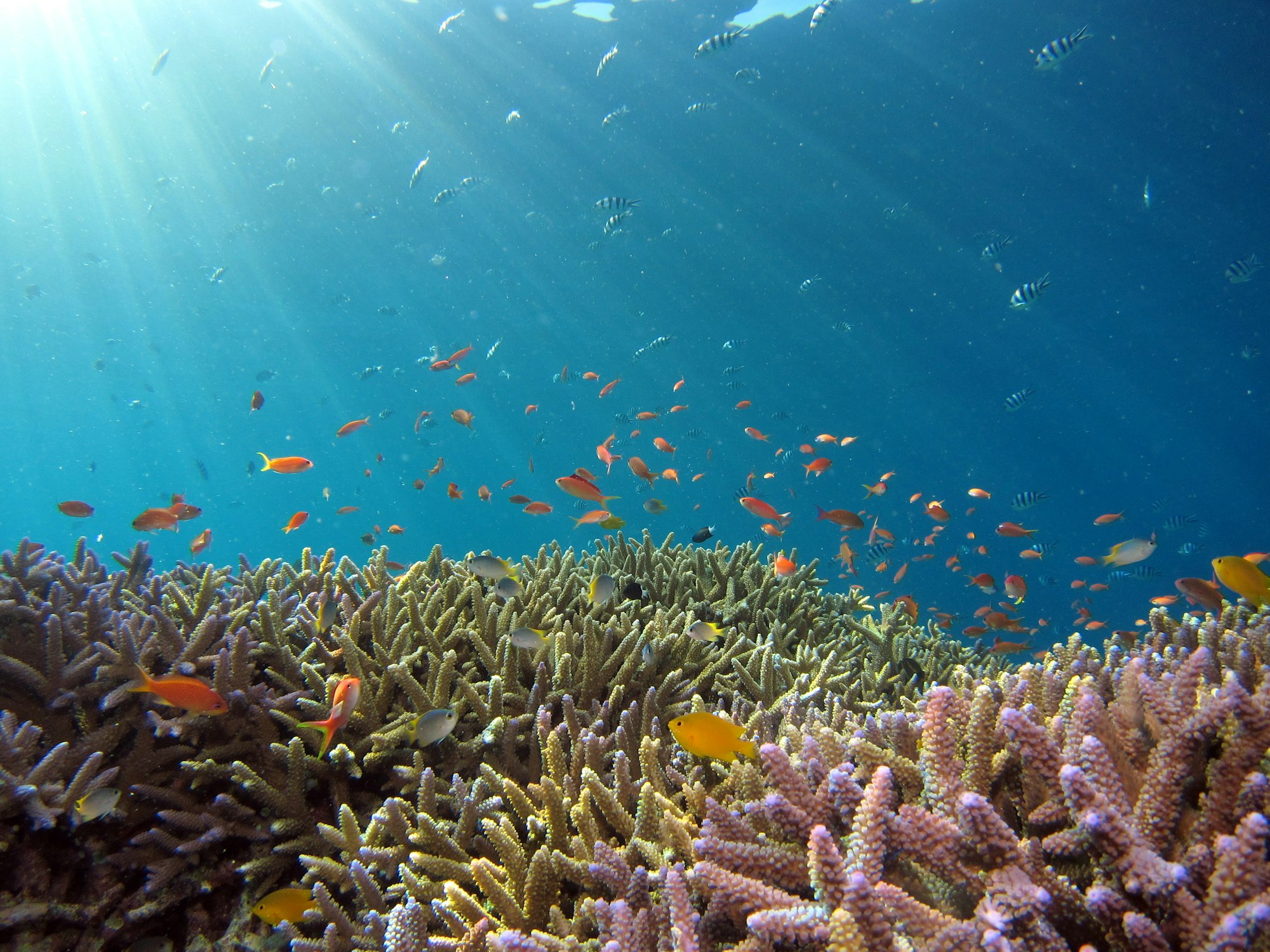
Mandolin is a wall dive on Bunaken Island’s western coast, known for its distinctive curved reef structure, large gorgonian seafans, and reliable encounters with Napoleon wrasse and resident turtles.
Overview
Mandolin sits on the west side of Bunaken Island, between Fukui Point and the northern wall sites. The site gets its name from the shape of the reef crest, which curves in a gentle arc reminiscent of the musical instrument’s body. This curved geometry creates a sheltered zone where current eddies and nutrients accumulate, supporting particularly dense soft coral and seafan growth on the wall face. Compared to the south-coast Lekuan sites, Mandolin tends to see fewer divers, giving it a more tranquil atmosphere.
What to Expect
The wall drops from a reef crest at 5–8 metres down to around 35 metres, where it transitions to a sandy slope. The 15–30 metre zone is where Mandolin earns its reputation: enormous gorgonian sea fans, some over 2 metres across, project from the wall face alongside black coral trees and dense soft coral colonies. The colour contrast between the orange-yellow seafans and the deep blue water beyond makes this a favourite photography location.
Napoleon wrasse are regularly spotted at Mandolin, often patrolling the open water alongside the wall at 20–25 metres. These large humphead wrasse, which can exceed a metre in length, are impressively unfazed by divers. Turtles are present most dives, typically resting on ledges or ascending past the wall face. The reef crest is excellent for macro: look for nudibranchs, flatworms, and tiny crustaceans among the encrusting coral. Occasional visits by grey reef sharks and dogtooth tuna from the blue water side add excitement to deeper sections.
Conditions
- Depth range: 5–35 m
- Visibility: 15–25 m
- Currents: Light to moderate; protected aspect makes conditions reliable
- Water temperature: 27–30°C
- Best season: May–October, though the western aspect provides year-round protection
Tips
Mandolin’s curved reef crest makes it easy to navigate — simply follow the arc of the wall. The seafan garden rewards slow, deliberate diving; rushing past sacrifices many of the best close-up encounters. Macro photographers should request an early dive here before midday light changes the colour balance in the shallows.
Sources: Murex Resorts - Diving Bunaken Guide, Two Fish Divers - Bunaken Dive Sites, Bluewater Dive Travel - Manado Bunaken, Dive The World - Bunaken Manado, ZuBlu - Beautiful Bunaken Guide, Murex Resorts - Diving Bunaken, Tasik Ria Dive Sites Bunaken, ZuBlu - Best Dive Sites in Bunaken, Dive The World - Bunaken National Park, Underwater Asia - Bunaken Diving Guide. Last updated 2026-04-04.
Sea-surface temperature and wave height from Open-Meteo Marine (ERA5 reanalysis, monthly averages).
1872 verified species observations (233 species) logged within ~11 km of this site between 1899 and 2023, from the Ocean Biodiversity Information System.
- Ctenochaetus striatus
- Trimma tevegae
- Trimma flavatrum
- Cirrhilabrus flavidorsalis
- Hippichthys cyanospilos
- Eviota
- Pseudanthias randalli
- Triaenodon obesus
- Trimma hollemani
- Sueviota
- Pseudochromis
- Trimma stobbsi
Scientific survey records skew toward sampled taxa (molluscs, corals) and do not reflect what you are guaranteed to see on a dive.
Source: OBIS (obis.org), aggregated Darwin Core occurrence records.
Conditions change with the tide and the season. If you have dived this site, share what it was actually like — date, visibility, current, and what you saw. Real, recent reports from divers are exactly what this guide is built to collect.
Send a conditions report ›