Andrea's Point
0.4641°S 130.6904°E · reef
Andrea’s Point is a reef dive site in Raja Ampat, West Papua, Indonesia, named after a diver associated with the site’s discovery or regular use.
Overview
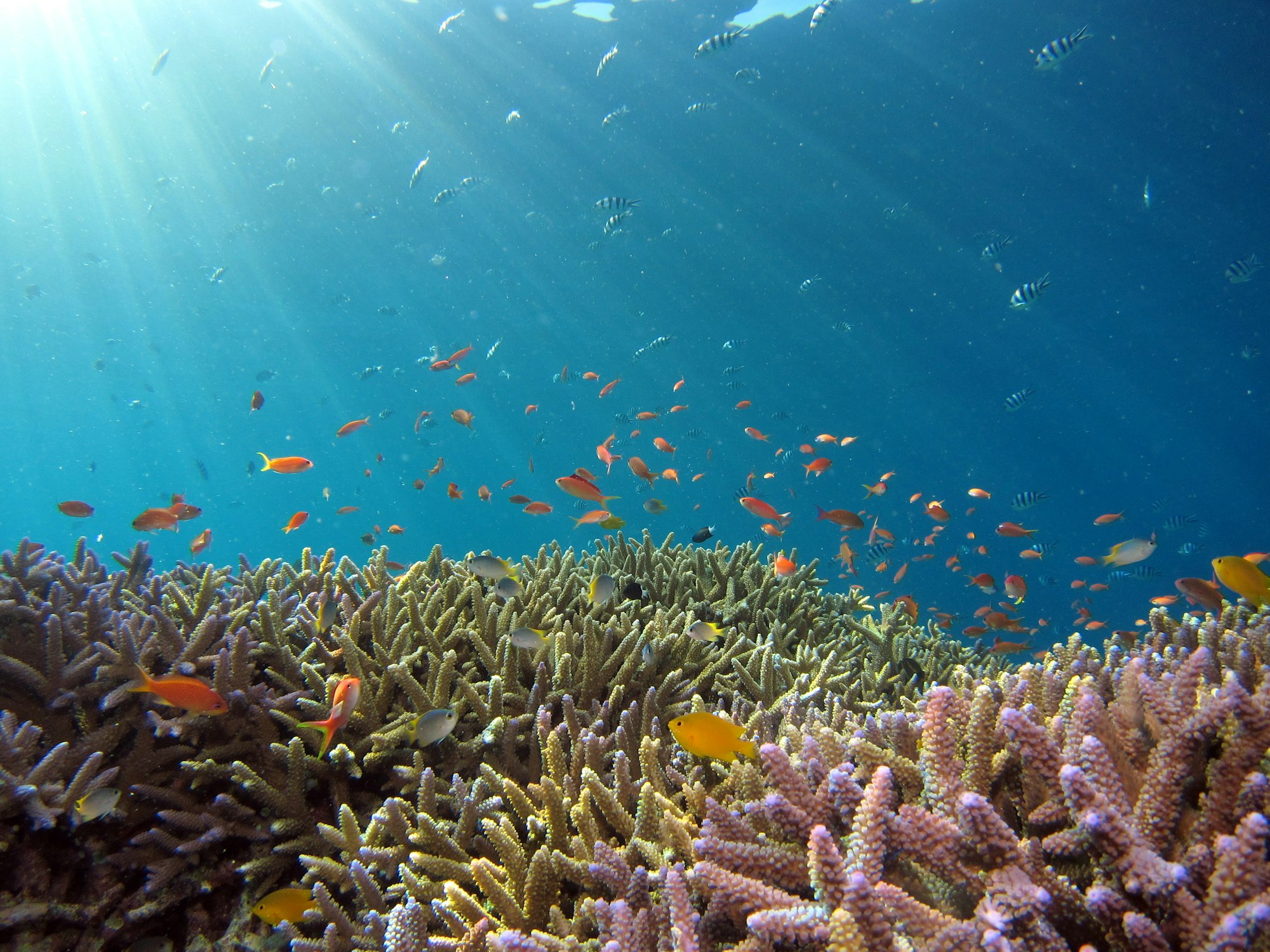
Located near Francisco in the Dampier Strait area, Andrea’s Point is a reef dive that encapsulates the richness of Raja Ampat’s coral ecosystems. The point configuration creates natural fish aggregation as currents sweep around the reef tip, concentrating planktivores and their predators in the water column. The reef structure combines hard coral formations, bommies, and rubble slopes, with the characteristic Raja Ampat layering of species found at different depths. Water temperature averages 27-29°C, and visibility typically reaches 20-30 meters at this site.
Site Information
- Location: Raja Ampat, West Papua, Indonesia
- Entry Type: Boat dive
- Site Type: Reef
- Difficulty Level: Intermediate
- Maximum Depth: 25 meters
- Typical Visibility: 15-30 meters
- Current: Moderate, can be strong at the point
- Best Time: October to April
Marine Life
The point structure concentrates fish life — large schools of fusiliers and anthias hover over the reef crest, while trevally and mackerel hunt through them. Reef sharks and Napoleon wrasse are regular visitors to the point. The reef slope supports healthy hard coral gardens with clownfish in anemones, and pufferfish and triggerfish browsing the substrate. Nudibranchs and flatworms are abundant for macro enthusiasts, and hawksbill turtles are commonly seen resting on the reef or cruising the slope.
Dive Profile
Descend to the reef slope and follow the contour of the point, spending time on both the current-facing and sheltered sides. The reef crest at 8-15 meters holds the highest fish density, while the slope down to 25 meters offers more varied coral structures. Allow time to drift around the point tip if current permits, where fish activity is most concentrated. Finish with a shallow safety stop on the reef top.
Entry and Exit
Access is by dive boat. Entry is typically via giant stride; current at the point may require a quick descent. Your guide will read the current and advise the best direction to approach and drift around the point. Deploy SMB before surfacing for boat pickup.
Tips and Recommendations
- Dive the current-facing side of the point for the best pelagic fish action
- Check the sheltered side for resting turtles and macro life
- Bring a wide-angle lens for fish school compositions at the point tip
- Dive conditions are typically best in the morning before wind builds
- Ask your guide about the preferred current direction for this site
Safety Considerations
Currents can accelerate around the point tip — stay close to the reef and be prepared to use a reef hook if conditions require it. Always carry an SMB. Visibility reduces in strong current conditions due to particulate. Dive within your experience level and follow your guide’s lead on current management.
Photography
The point configuration creates natural wide-angle setups: position yourself below the fish aggregation above the reef crest and shoot upward for dramatic schooling fish shots against the blue water. The relatively shallow depth allows natural light photography through most of the dive. Macro subjects are plentiful on the reef slope — take time to scan encrusting sponges for nudibranchs and flatworms.
Sources: Papua Diving - Raja Ampat Dive Sites, Bluewater Dive Travel - Raja Ampat Diving, La Galigo Liveaboard - Top 10 Raja Ampat Dive Sites, Girls That Scuba - Scuba Diving Raja Ampat, PADI - Diving in Raja Ampat. Last updated 2026-04-04.
Sea-surface temperature and wave height from Open-Meteo Marine (ERA5 reanalysis, monthly averages).
259 verified species observations (122 species) logged within ~11 km of this site between 1990 and 2025, from the Ocean Biodiversity Information System.
- Acanthurus lineatus
- Ctenochaetus striatus
- Hippocampus bargibanti
- Hippocampus denise
- Pseudamia hayashii · Hayashi's Cardinalfish
- Melanotaenia
- Trimma xanthum · Yellow-red Pygmygoby
- Asterropteryx
- Apogon · three-saddle cardinalfish
- Hemiscyllium
- Echidna nebulosa · Bosch's Reef-eel
- Phoxocampus
Scientific survey records skew toward sampled taxa (molluscs, corals) and do not reflect what you are guaranteed to see on a dive.
Source: OBIS (obis.org), aggregated Darwin Core occurrence records.
Conditions change with the tide and the season. If you have dived this site, share what it was actually like — date, visibility, current, and what you saw. Real, recent reports from divers are exactly what this guide is built to collect.
Send a conditions report ›