Manta Avenue
2.0900°N 118.3780°E · reef
Manta Avenue is a reef dive site on the east side of Sangalaki Island, forming the first section of the island’s renowned manta highway in the Derawan Archipelago, East Kalimantan, Indonesia.
Overview
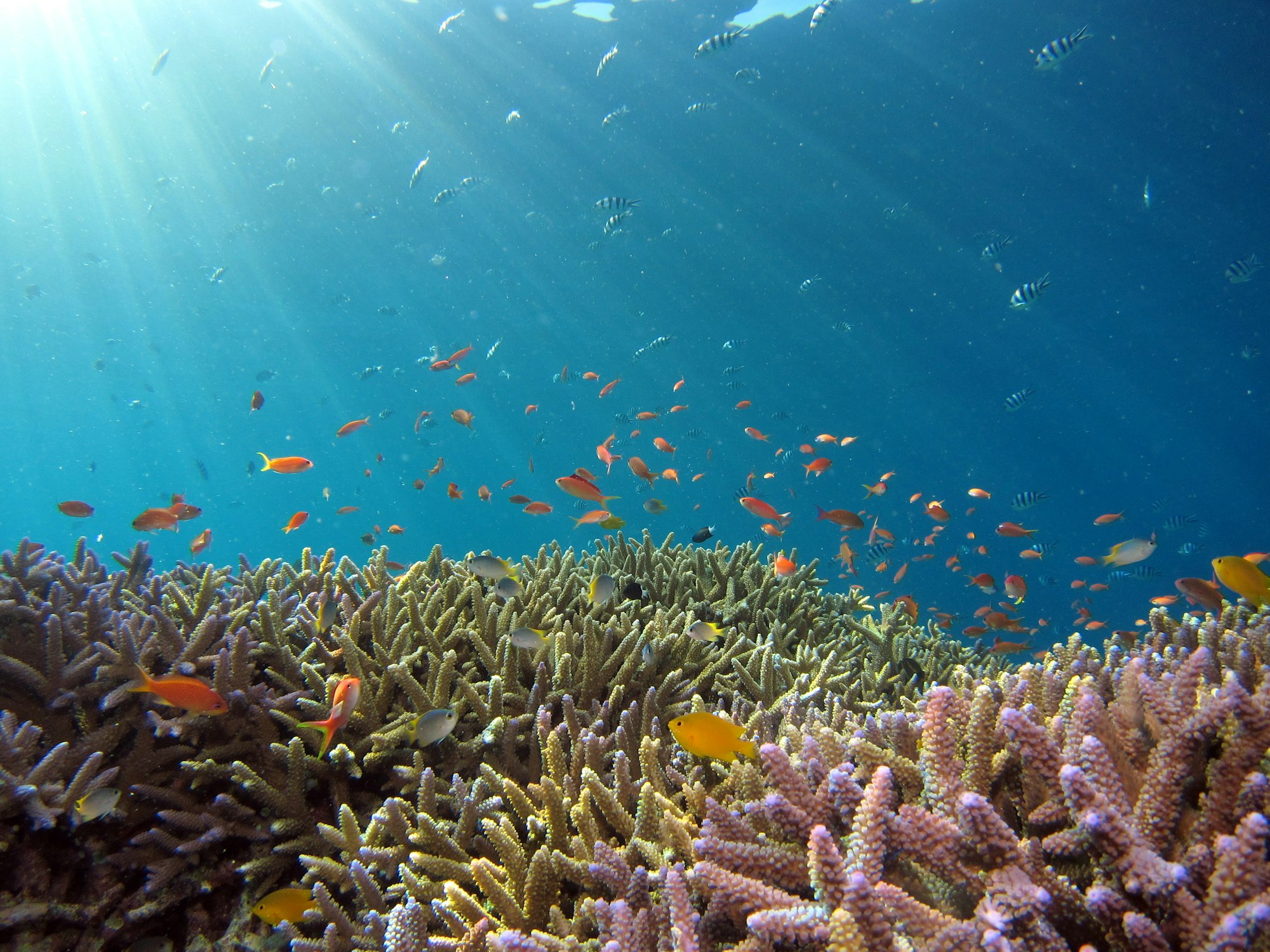
Manta Avenue opens near The Lighthouse on Sangalaki’s eastern shore and features a staircase-like reef topography — a succession of coral steps descending from shallow crest to a sandy flat. This “coral avenue” structure channels both mantas and divers along the same route: reef manta rays (Manta alfredi) travel the corridor to feeding grounds and cleaning stations, while divers explore the steps that host an unusually rich community of small reef species. The site connects directly to Manta Parade to the north, allowing longer drift dives along the manta highway in suitable current conditions.
Marine Life
- Reef manta rays (Manta alfredi) transiting and feeding
- Elegant fire gobies and dancing gobies on coral steps (confirmed by Maratua.com and Dive The World)
- Jawfish hovering at burrow entrances in sandy patches
- Ribbon eels in the sandy troughs between coral steps
- Cleaner wrasse stations on the coral crests
- Frogfish, lionfish, and crocodilefish on open rubble
Dive Profile
The reef steps from approximately 5 metres on the crest to a sandy flat at approximately 24 metres — consistent with the general Sangalaki shelf depth. A typical dive profile follows the steps down to 18–20 metres and returns along shallower coral ridges. Visibility averages 15–25 metres. Currents are mild to moderate; the guide assesses conditions at the surface before descent.
Entry and Exit
Boat entry only. Divers descend at the Lighthouse marker and navigate north along the corridor toward Manta Parade. Return to the boat is by safety stop on the open reef crest.
Tips
- The coral steps are excellent for spotting small cryptic species — scan slowly and low rather than rushing along at manta eye-level.
- The site transitions naturally into Manta Parade on the same dive if currents allow; confirm the plan with your guide beforehand.
- The adjacent Lighthouse Reef site (a separate dive) features two small wooden boat wrecks — ask your dive guide about combining the two sites on a single outing.
Safety Considerations
Currents can strengthen around the point connecting to Manta Parade. If conditions deteriorate, ascend and signal the boat early. A surface marker buoy (SMB) is recommended for all dives on this site.
Photography
The coral staircase creates natural framing for wide-angle reef compositions. Macro subjects (gobies, jawfish, ribbon eels) are abundant on the sandy terraces between steps. Overcast conditions reduce harsh shadows and bring out coral colour.
Site Information
- Location: Sangalaki Island, Derawan Archipelago, East Kalimantan, Indonesia
- Entry Type: Boat dive
- Site Type: Reef
- Difficulty Level: Intermediate
- Maximum Depth: 24 meters
Additional Resources
- Last Updated: 2026-05-17
Sources: Dive The World – Sangalaki, Starfish.ch – Kalimantan Diving, Asia Dive Site – Sangalaki, Maratua.com – Sangalaki, Asia Diving Vacation – Sangalaki. Last updated 2026-06-27.
Sea-surface temperature and wave height from Open-Meteo Marine (ERA5 reanalysis, monthly averages).
261 verified species observations (66 species) logged within ~11 km of this site between 1994 and 2015, from the Ocean Biodiversity Information System.
- Mobula alfredi · Reef manta ray
- Eviota teresae
- Eviota melasma
- Thyca crystallina
- Tridacna crocea
- Tridacna maxima
- Jorunna funebris
- Chelidonura hirundinina
- Coryphellina exoptata
- Chelidonura varians
- Phyllodesmium kabiranum · アカクセニアウミウシ
- Doriprismatica stellata
Scientific survey records skew toward sampled taxa (molluscs, corals) and do not reflect what you are guaranteed to see on a dive.
Source: OBIS (obis.org), aggregated Darwin Core occurrence records.
Conditions change with the tide and the season. If you have dived this site, share what it was actually like — date, visibility, current, and what you saw. Real, recent reports from divers are exactly what this guide is built to collect.
Send a conditions report ›