Elba Reef East (Southplateau)
21.9827°N 37.0407°E · reef
Elba Reef East (Southplateau) is a shallow reef section on Elba Reef’s southeastern face, connecting the main South Plateau with the eastern margin of the atoll. This zone offers relaxed, shallow reef diving at 5-16 metres with excellent coral formations and serves as a productive extension to the main South Plateau dive, or as a standalone dive for intermediate divers exploring the full Elba Reef system.
Overview
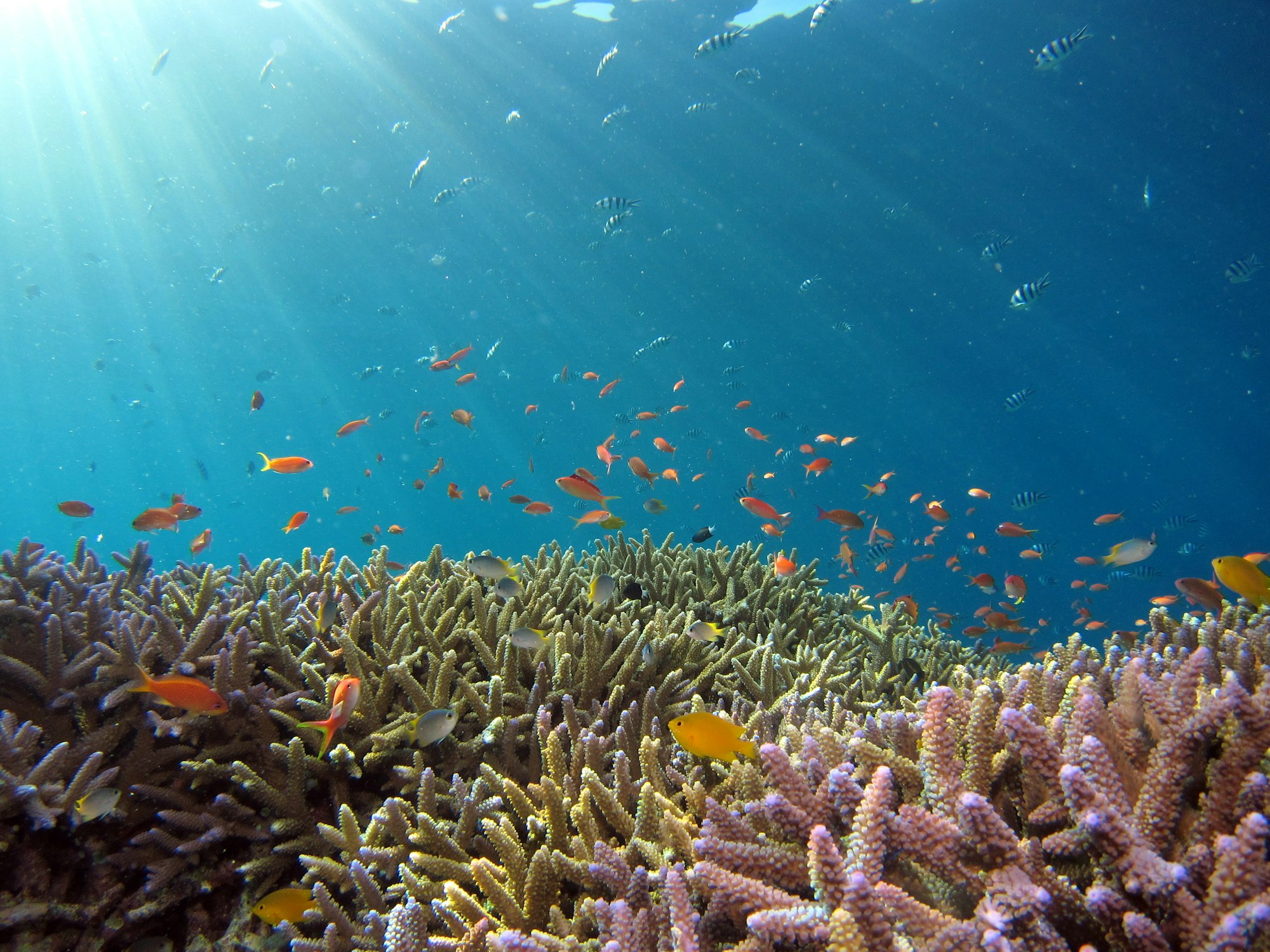
The eastern southplateau area transitions between the sheltered southern face and the more current-exposed eastern reef margin. This transitional character gives it a varied coral community — areas of dense hard coral blocks typical of the south plateau mix with the more current-influenced formations of the eastern wall. The shallower depth profile keeps the site in sunlit water throughout, producing outstanding visibility and vivid coral colours. Divers visiting Elba Reef typically dive this zone as a complement to the main plateau sites, often as a relaxed third or fourth dive when deeper sites have been covered. The site sits adjacent to the area where the Levanzo Wreck lies at 22 metres, making it a natural pairing.
Site Information
- Location: Elba Reef southeast, Egypt-Sudan border (Halaib Triangle)
- Entry Type: Boat dive
- Site Type: Reef
- Difficulty Level: Advanced
- Maximum Depth: 16 meters
- Typical Visibility: 25-40+ meters (80-130+ feet)
- Current: Moderate
- Best Time: March to November
Marine Life
Confirmed for the Elba Reef complex generally: untouched hard coral formations, moray eels, groupers, and colourful reef fish. Specific claims of parrotfish, surgeonfish, butterflyfish schools, sea turtles, and lionfish counts from a prior version of this page could not be confirmed for this precise section and have been trimmed to what sources support.
Dive Profile
Descend to the reef surface at 5-10 metres and explore the coral field working east along the reef margin. The depth gradually deepens toward 16 metres as the reef transitions toward the eastern wall. Work along the coral blocks and reef heads, spending time at each formation to examine resident fish communities. The shallow depth allows 50-60 minute dives comfortably. Finish the dive on the shallowest reef sections for the safety stop.
Entry and Exit
Access is by liveaboard dive boat. Entry and exit are straightforward in the sheltered southeastern aspect of the reef. The shallow depth and moderate current make this one of Elba Reef’s most manageable dive sites. Standard SMB deployment before ascent for boat coordination.
Tips and Recommendations
- Bring a dive torch even for this shallow dive — overhangs and crevices contain more life than the open reef
- This site pairs naturally with the main South Plateau for a comprehensive shallow Elba Reef exploration
- Look carefully at coral heads for the small fish — this reef sees so little diving that resident fish are curious and approachable
- Night diving here is excellent — combine with the main South Plateau for back-to-back nocturnal dives
- Bring a macro lens for the diverse invertebrate life on the coral surfaces
Safety Considerations
This is one of Elba Reef’s most accessible sites. The shallow depth removes most depth-related risks. Fire coral on the reef surface requires buoyancy awareness. Current is moderate compared to the north and west exposures, but assess conditions on entry. Standard buddy diving practices and SMB deployment apply.
Photography
Shallow, sunlit reef photography is the strength of this site. Hard coral formations photographed with natural light from above produce vivid, saturated images. The diversity of coral growth forms within a small area makes this ideal for a reef survey photographic approach. Macro subjects on the coral surfaces — blennies, gobies, nudibranchs — reward close-focus work.
Sources: Elba Reef Dive Site - Sadko Safari Fleet, Discovering the Hidden Gem of the Red Sea: Diving Elba Reef - Divebooker, Elba - Red Sea Diving Safari. Last updated 2026-07-03.
Sea-surface temperature and wave height from Open-Meteo Marine (ERA5 reanalysis, monthly averages).
Conditions change with the tide and the season. If you have dived this site, share what it was actually like — date, visibility, current, and what you saw. Real, recent reports from divers are exactly what this guide is built to collect.
Send a conditions report ›