Stingray Point
16.0688°N 86.9554°W · reef
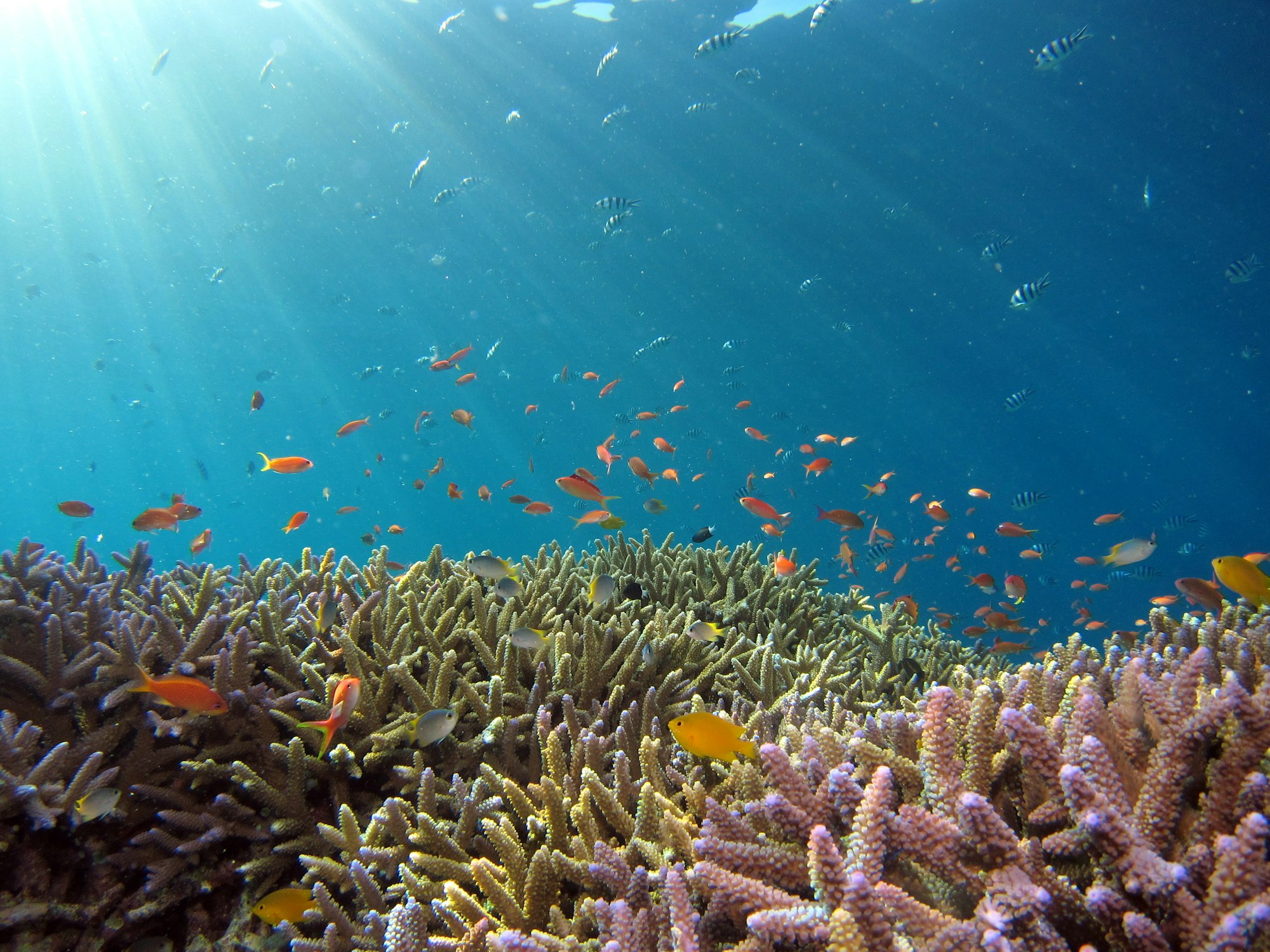
Stingray Point is a south side reef site at the western end of Utila, considered by some local operators to have the healthiest and most vibrant coral on the island, and named for the southern stingrays and spotted eagle rays regularly encountered here.
Overview
Stingray Point features a shallow reef top ranging from just 5 to 25 ft (1.5–8 m), with a large sand channel descending to 130 ft (40 m) separating two distinct reef sections. The contrast between the shallow coral-covered sections and the open sand channel creates a varied habitat that supports an impressive range of species. Multiple sources rate the coral quality here as among the best on Utila, with both hard and soft coral varieties in good condition across the reef sections on either side of the sand channel. The site’s western location means it can be reached as a drift dive endpoint from adjacent sites.
Marine Life
The sand channel hosts a characteristic assembly of ray species — southern stingrays and spotted eagle rays are regular sightings that give the site its name. Garden eels inhabit the sandy floor in colonies, emerging to feed in the current. Seahorses and pipefish are found in the surrounding coral, alongside flounder partially buried in the sand. The reef structures support the full range of south side Caribbean fish: snapper, grouper, parrotfish, angelfish, and wrasse.
Dive Profile
- Reef top: 5–25 ft (1.5–8 m) — very shallow entry zone
- Sand channel: slopes to ~130 ft (40 m)
- Working depth: most marine life found between 15–60 ft (5–18 m)
- Current: generally calm; site is on the south/west exposure
- Visibility: typically good — clear water over sand
Entry / Exit
Boat dive from Utila town. Experienced divers can incorporate Stingray Point as the endpoint of a drift dive from adjacent west side sites.
Tips
- Move slowly over the sand channel — garden eels retract as divers approach, but patience rewards with full-colony views.
- Southern stingrays are most reliably seen over the sand bottom, partially buried or resting.
- The shallow reef top offers an extended, bright safety stop with plenty to observe.
Photography
Excellent for ray photography — southern stingrays on sand, spotted eagle rays mid-water over the channel. The garden eel colonies are also a distinctive Utila subject. Wide-angle over the sand channel captures the scale of the habitat.
Sources: We Dive Utila – Dive Sites, Zentacle – Sting Ray Point, DiveSSI – Stingray Point. Last updated 2026-07-08 (re-audited: marine life claims — garden eels, seahorses, pipefish, flounder, spotted eagle rays, southern stingrays — re-confirmed against We Dive Utila; no corrections needed).
Sea-surface temperature and wave height from Open-Meteo Marine (ERA5 reanalysis, monthly averages).
801 verified species observations (169 species) logged within ~11 km of this site between 1936 and 2022, from the Ocean Biodiversity Information System.
- Rhincodon typus · Whale Shark
- Pterois · lionfish
- Tigrigobius multifasciatus
- Ogilbia
- Orcinus orca · Killer whale
- Strongylura timucu
- Scorpaena albifimbria
- Anchoa lyolepis
- Tomicodon fasciatus
- Caranx latus
- Carcharhinus isodon
- Gnatholepis thompsoni
Scientific survey records skew toward sampled taxa (molluscs, corals) and do not reflect what you are guaranteed to see on a dive.
Source: OBIS (obis.org), aggregated Darwin Core occurrence records.
Conditions change with the tide and the season. If you have dived this site, share what it was actually like — date, visibility, current, and what you saw. Real, recent reports from divers are exactly what this guide is built to collect.
Send a conditions report ›