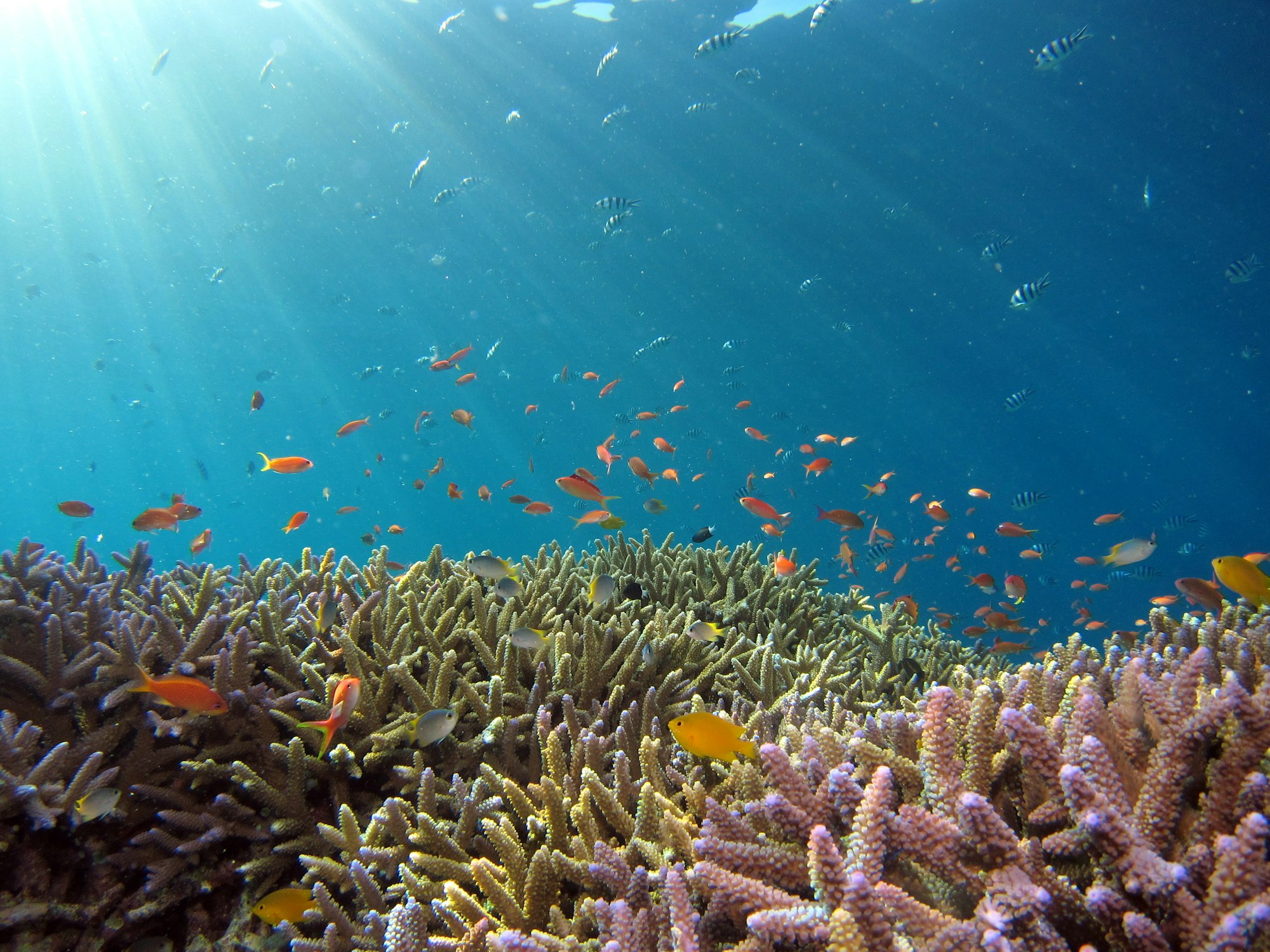
Seabass
23.6580°N 75.9427°W · reef
Seabass is a reef dive site off Great Exuma Island, documented among a cluster of local dive sites serviced by operators out of George Town, the main diving hub of the Exumas.
Overview
Seabass sits in the Great Exuma area alongside Connected Dott and Amberjack Reef, and appears in regional dive condition databases as part of the local site inventory. The name likely reflects the fish species historically abundant at this location. Detailed published descriptions are limited; the information below draws on the broader Great Exuma diving context and conditions data.
Site Information
- Location: Great Exuma Island, Bahamas
- Entry Type: Boat dive
- Site Type: Reef
- Maximum Depth: 15 meters
- Typical Visibility: Good
- Water Temperature: 25-27°C
- Best Time: November to May
Marine Life
Great Exuma reefs support healthy populations of Caribbean reef fish. Groupers, snapper, barracuda, parrotfish, and angelfish are common across the region’s reefs. Nurse sharks and southern stingrays are regularly encountered, and sea turtles are a frequent sight. The site name suggests historically notable grouper or bass populations.
Dive Profile
A moderate-depth reef dive. Suited to Open Water-certified divers with some experience. Local operators will provide a thorough briefing on the reef layout and current conditions before entry.
Entry and Exit
Access is by boat. Dive Exuma in George Town is the primary local operator offering trips to sites in this area. Pair this site with Amberjack Reef or Connected Dott on a two-tank morning trip.
Tips and Recommendations
- Book with a local operator for the most current site-specific conditions
- The Great Exuma sites are best dived in the morning when visibility is typically at its best
Safety Considerations
Check conditions with your operator before entry. Carry an SMB for open-water ascents.
Re-audit note (2026-07-17): Actively searched today for independent sources beyond scubaweather.com, including Dive Exuma’s own site, thescubadirectory.com’s Great Exuma directory (named sites found: Elizabeth Reef, Amberjack Reef, The Tug, Jeep Reef, Mystery Cave, Dog Rocks, Austin Smith Wreck, Barracuda Shoals — no “Seabass” profile among them), and general web search for the exact site name. No additional independent source with descriptive content was found. Also note the previously-cited URL for this site actually points to the Connected Dott page on scubaweather.com, not a dedicated Seabass page — that citation appears to have been mismatched in the prior pass; scubaweather.com’s own domain search for a distinct Seabass conditions page was not confirmed today either. Recommendation: validated should remain false, and the source citation should be corrected or removed rather than left pointing at a different site’s page.
Sources: none independently confirmed as site-specific for “Seabass” today. The previously-cited scubaweather.com URL resolves to the Connected Dott page, not a Seabass-specific page. Validation status remains false pending genuine independent sources. Description based on regional Great Exuma diving characteristics, not site-specific confirmation. Last updated 2026-07-17.
Sea-surface temperature and wave height from Open-Meteo Marine (ERA5 reanalysis, monthly averages).
38 verified species observations (28 species) logged within ~11 km of this site between 1949 and 2016, from the Ocean Biodiversity Information System.
- Pterois · lionfish
- Physeter macrocephalus · Sperm whale
- Globicephala macrorhynchus · Short-finned pilot whale
- Pterois volitans
- Megaptera novaeangliae · Humpback whale
- Larus atricilla · Laughing Gull
- Chelidonura hirundinina
- Gastropteron chacmol
- Acanthochitona hemphilli
- Dondice occidentalis
- Acanthochitona astrigera
- Stenoplax limaciformis
Scientific survey records skew toward sampled taxa (molluscs, corals) and do not reflect what you are guaranteed to see on a dive.
Source: OBIS (obis.org), aggregated Darwin Core occurrence records.
Conditions change with the tide and the season. If you have dived this site, share what it was actually like — date, visibility, current, and what you saw. Real, recent reports from divers are exactly what this guide is built to collect.
Send a conditions report ›