Bloody Bay Wall
19.7000°N 80.0833°W · wall
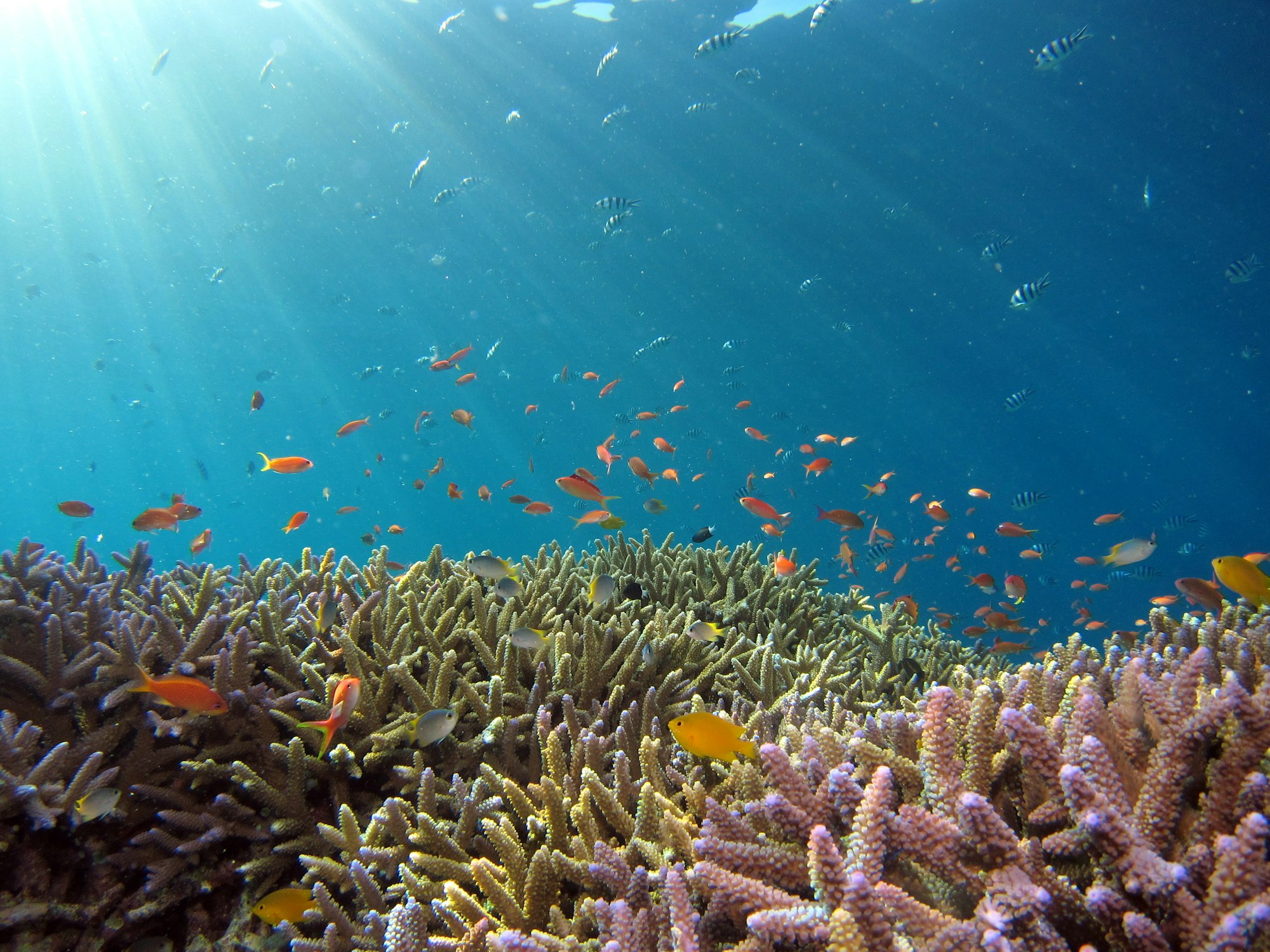
One of the Caribbean’s most celebrated wall dives — a coral-encrusted drop-off starting in just 4 meters of water and plunging vertically to 6,000 feet off Little Cayman’s North Shore.
Overview
Bloody Bay Wall is widely regarded as one of the finest wall dives in the Caribbean and one of the great dive experiences worldwide. Located on the North Shore of Little Cayman — the smallest and most remote of the three Cayman Islands — the wall begins at approximately 5–6 meters (18 feet) of water and falls almost vertically for over 6,000 feet into the Cayman Trench. The one-mile long wall hosts over a dozen individually named dive sites along its length. The upper reef above the wall is blanketed with sea fans, sea plumes, hard corals, and encrusting sponges in exceptional health, preserved by the very light dive traffic that Little Cayman’s small tourism infrastructure allows. Bloody Bay Marine Park is protected, with mooring buoys installed to prevent anchor damage. The sheer visual drama of hovering at the edge where the reef shelf ends and the infinite blue begins makes this a dive that defines the meaning of “wall diving.”
Site Information
- Location: North Shore, Little Cayman, Cayman Islands
- Entry Type: Boat dive
- Site Type: Wall dive
- Difficulty Level: Intermediate
- Maximum Depth: 27 meters
- Typical Visibility: 25–40 meters (82–130 feet)
- Current: Light to moderate
- Water Temperature: 26–29°C (79–84°F)
- Best Time: Year-round (best conditions December–April)
Marine Life
Bloody Bay Wall consistently impresses with its diversity and abundance. Nassau grouper are specifically documented as conspicuous residents well habituated to divers. Caribbean reef sharks, eagle rays, barracuda, and turtles are all confirmed for the Bloody Bay Marine Park area by multiple sources. Schools of chromis, snappers, and grunts populate the upper reef. The wall face carries dense sponge growth — orange, purple, and yellow — and large sea fans on the vertical surfaces. Specific site-level marine life accounts confirm reef sharks and eagle rays are seen along the wall regularly, though exact frequency at any single mooring varies.
Dive Profile
Descend to the wall edge from the mooring and drop down the face to your planned maximum depth before working along the wall horizontally. The wall edge at 8–12 meters provides a natural cruising altitude for observing pelagic visitors while maintaining a comfortable depth. Work shallower as the dive progresses, finishing on the rich upper reef for the safety stop. Never lose sight of the wall face as a depth reference.
Entry and Exit
Boat dive with mooring buoy at the site. Access is primarily from Little Cayman resorts and dive operations. Giant stride entry. The remote location of Little Cayman means weather and sea conditions should be confirmed before departure from the island’s limited infrastructure.
Tips and Recommendations
- Little Cayman deserves at least 3–4 days of diving — the combination of Bloody Bay Wall and Jackson Bight is exceptional
- The wall begins so shallow that even a training dive can touch the wall edge
- Descend slowly and maintain neutral buoyancy to avoid drift deeper than planned
- Bring a dive computer — the depth variations along the wall make instrument monitoring important
- The Mixing Bowl junction at the east end of Bloody Bay is a separate dive site worth visiting in its own right
Safety Considerations
The dramatic visual experience of the wall edge can distract divers from depth monitoring — maintain continuous instrument awareness. Current along the wall can develop and divers may be swept along it; plan dive direction against any current for an easy return. Always carry an SMB for ascent. The remote location of Little Cayman means emergency medical care is limited.
Photography
Bloody Bay Wall is arguably the Caribbean’s most photographic wall dive. Wide-angle compositions of the reef edge with divers against the blue abyss capture the scale of the environment. Shark and eagle ray encounters along the wall face are compelling wide-angle subjects. The colorful upper reef sea fans and sponges reward close-focus work with a strobe. Early morning dives when the sun is low create dramatic light angles on the wall face.
Sources: Little Cayman Divers – Dive Sites and Map, Explore Cayman – Bloody Bay Wall, Atlas Obscura – Bloody Bay Coral Wall. Last updated 2026-05-20.
Sea-surface temperature and wave height from Open-Meteo Marine (ERA5 reanalysis, monthly averages).
3698 verified species observations (85 species) logged within ~11 km of this site between 1930 and 2016, from the Ocean Biodiversity Information System.
- Acanthurus coeruleus
- Sparisoma viride
- Sparisoma aurofrenatum
- Scarus iseri
- Scarus taeniopterus
- Melichthys niger
- Cephalopholis cruentata
- Chaetodon capistratus
- Acanthurus chirurgus
- Haemulon flavolineatum
- Microspathodon chrysurus
- Chaetodon striatus
Scientific survey records skew toward sampled taxa (molluscs, corals) and do not reflect what you are guaranteed to see on a dive.
Source: OBIS (obis.org), aggregated Darwin Core occurrence records.
Conditions change with the tide and the season. If you have dived this site, share what it was actually like — date, visibility, current, and what you saw. Real, recent reports from divers are exactly what this guide is built to collect.
Send a conditions report ›