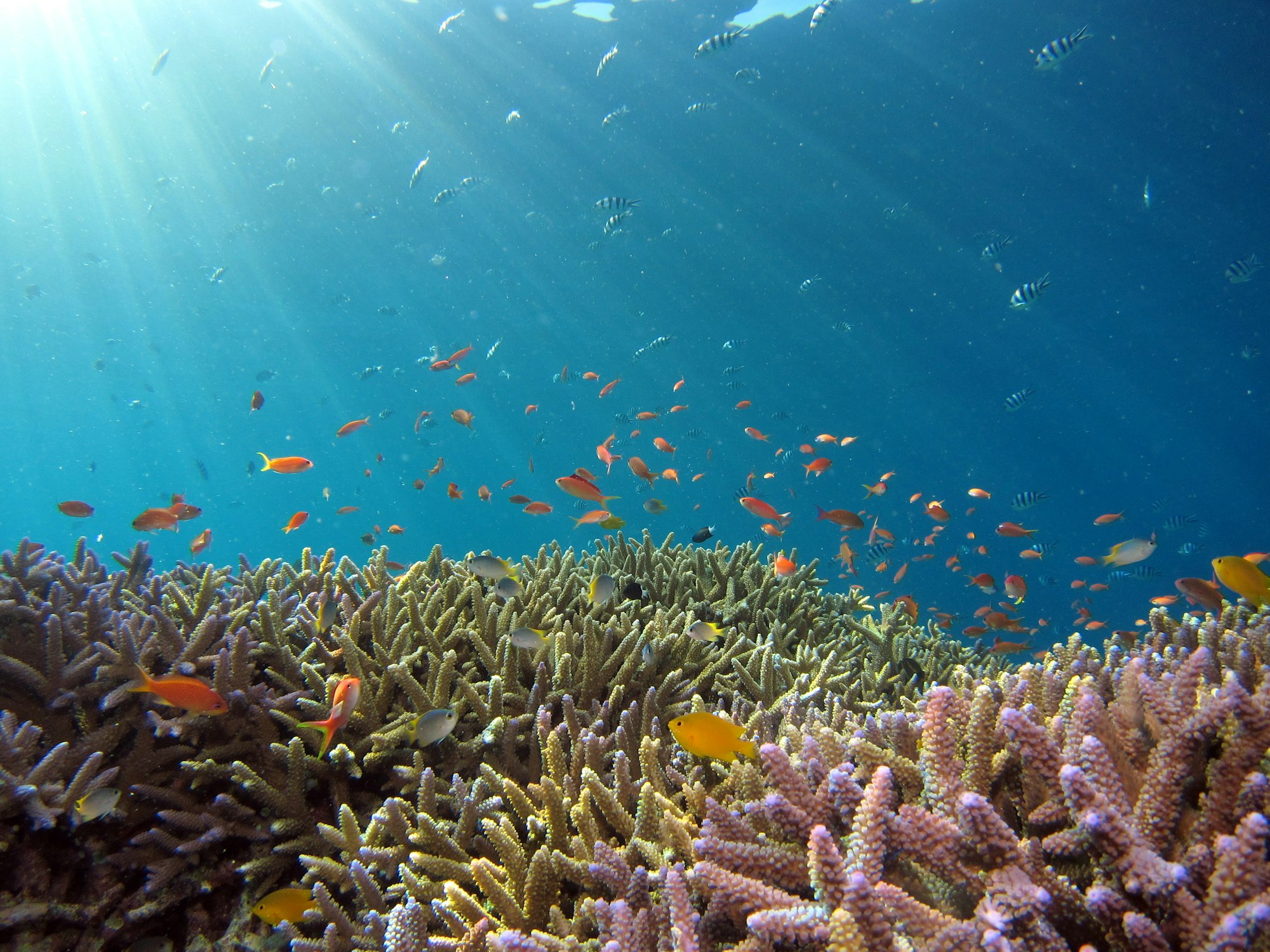
Chinese Wall
19.2667°N 81.4500°W · wall
A dramatic Grand Cayman wall dive on the South Side offering large barrel sponges, sea fans, and prolific Caribbean reef life along the island’s less-dived southern drop-off.
Overview
Chinese Wall is located on Grand Cayman’s South Side, which receives significantly less dive traffic than the island’s busy West Side. The wall drops dramatically from the coral shelf at around 15 meters to recreational limits and beyond, providing the classic Cayman wall experience of hovering above deep blue water while colorful formations line the vertical face. Large barrel sponges and sea fans are characteristic features of this wall section. The South Side’s exposure to the open Caribbean Sea means conditions can be affected by southerly swell, but on calm days it offers a more remote, less crowded wall diving experience than the heavily dived Seven Mile Beach side. Currents along this wall section can be moderate.
Site Information
- Location: South Side, Grand Cayman
- Entry Type: Boat dive
- Site Type: Wall dive
- Difficulty Level: Intermediate
- Maximum Depth: 45 meters
- Typical Visibility: 20–35 meters (65–115 feet)
- Current: Moderate — variable
- Water Temperature: 26–29°C (79–84°F)
- Best Time: December–April (calmer South Side conditions)
Marine Life
Caribbean reef sharks, eagle rays, hawksbill turtles, and grouper are broadly reported for Grand Cayman’s South Side wall sites. However, Chinese Wall specifically is a less-documented site in available sources — these species are characteristic of the South Side wall environment generally and may be encountered. The wall face carries dense sponge growth — purple, orange, and yellow barrel sponges — and large sea fans. Regional marine life includes flamingo tongue cowries on sea fans and hawkfish in crevices. No site-specific marine life reports for Chinese Wall were identified in sources reviewed: Regional marine life includes the above-mentioned South Side wall species; no Chinese Wall-specific species reports were found.
Dive Profile
Descend to the wall edge and work horizontally along the face, maintaining your planned depth before shallowing up toward the end of the dive. The South Side wall typically has less surge than the North Wall. Spend extended time in the 15–25 meter range where large sponge growth and fish diversity are concentrated. Always ascend with adequate gas for the safety stop.
Entry and Exit
Boat dive from South Side operators or George Town operators running South Side excursions. The South Side can be rough with southerly swell — weather assessment is important before departure. Giant stride entry and SMB deployment on ascent.
Tips and Recommendations
- The South Side offers a more adventurous, less crowded alternative to the West Side wall dives
- Check South Side conditions specifically — the western harbor reports don’t reflect South Side weather
- Large barrel sponges on this wall section can exceed a meter in diameter
- Current diving skills are needed as South Side currents can be variable
- A dive computer is essential for managing depth on wall dives where the bottom is not visible
Safety Considerations
Wall diving requires continuous depth monitoring since the absent floor reference can lead to deeper-than-planned dives. The 45-meter maximum depth technically enters the technical diving range — sport divers should set a firm limit at 40 meters. South Side weather can deteriorate quickly — the boat captain’s judgment on conditions should be followed without question.
Photography
Chinese Wall’s barrel sponges and sea fans create outstanding wide-angle subjects. The wall face with its vertical sponge garden and deep blue water background is a signature image. Eagle ray encounters require quick shooting reactions — pre-set camera exposure for ambient conditions rather than spending time adjusting. Strobe lighting at moderate range (60–80 cm) brings out the vivid reds and oranges of sponge growth on the wall face.
Sea-surface temperature and wave height from Open-Meteo Marine (ERA5 reanalysis, monthly averages).
2343 verified species observations (240 species) logged within ~11 km of this site between 1937 and 2009, from the Ocean Biodiversity Information System.
- Apogon townsendi
- Acanthurus coeruleus
- Coryphopterus glaucofraenum
- Scarus taeniopterus
- Phaeoptyx conklini
- Sparisoma aurofrenatum
- Thalassoma bifasciatum
- Cephalopholis cruentata
- Sparisoma viride
- Moringua edwardsi
- Apogon lachneri
- Gramma loreto
Scientific survey records skew toward sampled taxa (molluscs, corals) and do not reflect what you are guaranteed to see on a dive.
Source: OBIS (obis.org), aggregated Darwin Core occurrence records.
Conditions change with the tide and the season. If you have dived this site, share what it was actually like — date, visibility, current, and what you saw. Real, recent reports from divers are exactly what this guide is built to collect.
Send a conditions report ›