Doc Poulson Wreck
19.3417°N 81.4083°W · wreck
A former Japanese cable-laying vessel — approximately 70–80 feet long — intentionally sunk around 1981 off Grand Cayman’s West Bay, sitting upright in 16–18 meters on white sand beside a coral reef. Named for Grand Cayman’s first diving doctor.
Overview
The Doc Poulson was a Japanese cable-laying vessel deliberately sunk off West Bay, Grand Cayman, as an artificial reef — reported by different sources as sunk in 1981 or 1982. She is the first artificial reef created in Grand Cayman. The wreck is approximately 70–80 feet (21–24 meters) long and rests upright on a flat white sand bottom in approximately 15–18 meters of water, making this an ideal depth for beginner wreck divers. The hull had multiple access openings cut before sinking to allow diver entry. The wreck is named after Dr. James “Jimmie” Poulson, the first diving doctor on Grand Cayman who set up the island’s first hyperbaric chamber for treating decompression sickness. A coral reef adjacent to the wreck adds additional dive habitat. Note: claims of eagle rays and nurse sharks as regular residents of this specific site have been removed pending site-specific source confirmation.
Site Information
- Location: West Bay, Grand Cayman
- Entry Type: Boat dive
- Site Type: Wreck dive
- Difficulty Level: Beginner
- Maximum Depth: 16 meters
- Typical Visibility: 20–35 meters (65–115 feet)
- Current: Light
- Water Temperature: 26–29°C (79–84°F)
- Best Time: Year-round
Marine Life
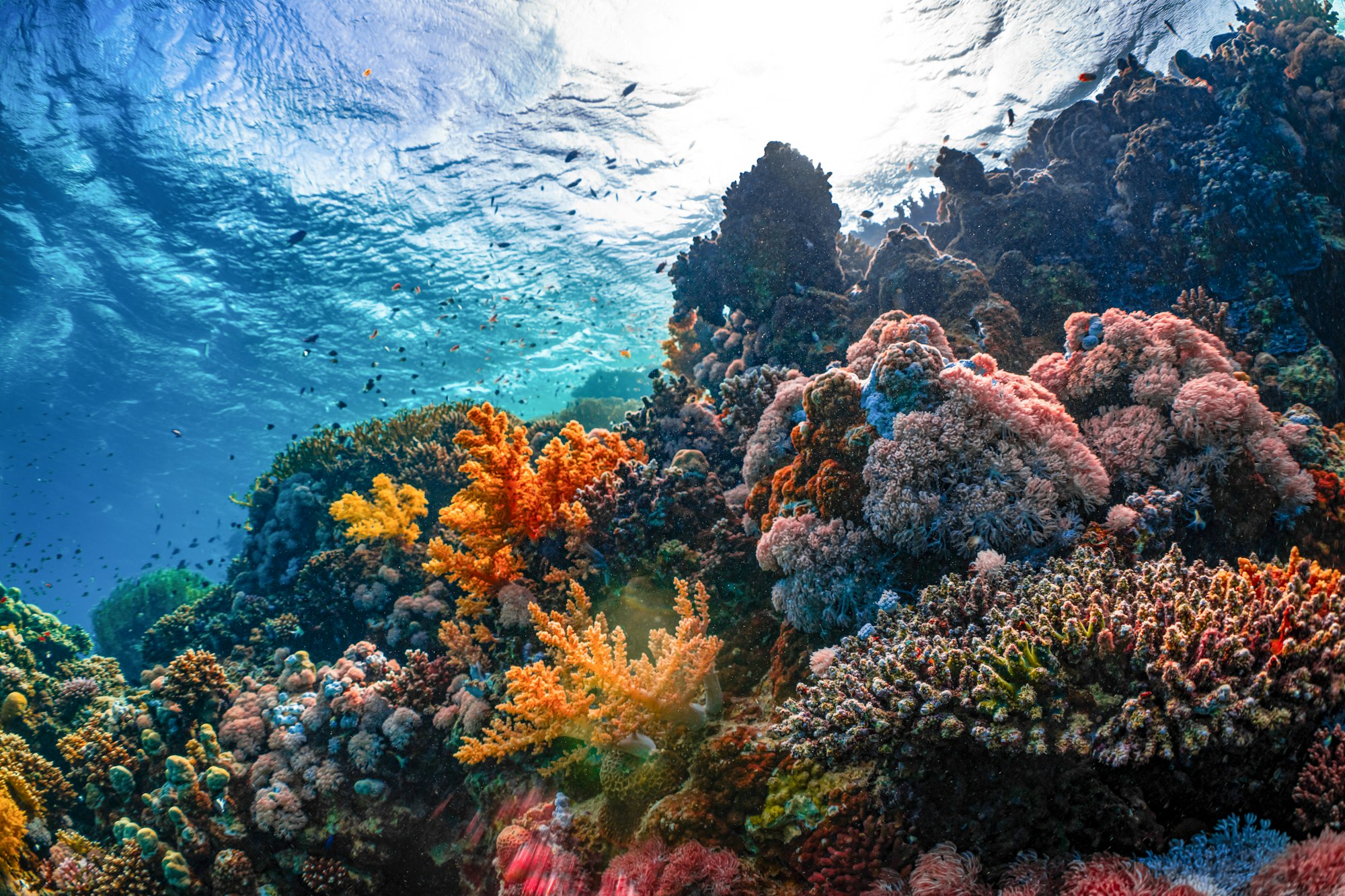
Dive-specific sources confirm blue and stoplight parrotfish, schools of jacks, colorful sponges, sea fans, and coral formations colonizing the cable winches and hull surfaces. The adjacent coral reef adds reef fish diversity including angelfish and grunts. Green moray eels are plausible hull residents but not confirmed in site-specific reports reviewed. Claims of regular turtle, nurse shark, and eagle ray sightings at this specific site are not confirmed by site-level sources and have been removed to avoid regional padding. Regional Cayman marine life includes all these species and they may be encountered, but this wreck is specifically noted for its parrotfish and schooling fish.
Dive Profile
Descend to the deck level (approximately 10 meters) and work toward the bow, then down to the sandy bottom at 16 meters. The pre-cut hull openings allow basic penetration of the forward compartments for those with wreck diving training. After exploring the wreck, swim to the adjacent reef section for an extended dive. The 16-meter depth allows comfortable recreational bottom time.
Entry and Exit
Boat dive from West Bay operators including several well-established dive operations in this area. The site is regularly visited and operators are thoroughly familiar with it. Giant stride entry. Mooring buoys may be present. SMB deployment for surface pickup.
Tips and Recommendations
- The combination of wreck and adjacent reef makes this a varied dive experience
- The cable winches on the top deck encrusted with sponges and sea fans are a signature feature
- Bring a dive torch for illuminating the interior spaces even on the basic penetration
- The upright orientation and white sand bottom creates ideal conditions for ambient light photography
- This is one of Grand Cayman’s best beginner wreck dives — the purposely cut openings provide wreck atmosphere without overhead navigation risk
Safety Considerations
At 15–18 meters, this is well within recreational diving limits for beginners. Wreck penetration beyond the light zone requires proper training and equipment even in this purpose-built artificial reef. Always maintain a clear exit path during interior exploration.
Photography
The Doc Poulson in Cayman’s extraordinary clear water is a natural photography site. The upright hull on white sand creates clean, uncluttered compositions. Turtle portraits resting on the hull are a classic Grand Cayman image. The large hull openings with ambient light streaming through them create dramatic interior light effects. A strobe is useful for close-up detail work on encrusted hull surfaces.
Sources: DreamWrecks – Doc Poulson, Red Sail Sports – Shipwreck Dive Guide, Steven W. Smeltzer Blog – Doc Poulson. Last updated 2026-05-20.
Sea-surface temperature and wave height from Open-Meteo Marine (ERA5 reanalysis, monthly averages).
3050 verified species observations (239 species) logged within ~11 km of this site between 1937 and 2015, from the Ocean Biodiversity Information System.
- Sparisoma aurofrenatum
- Acanthurus coeruleus
- Scarus taeniopterus
- Apogon townsendi
- Phaeoptyx conklini
- Scarus iseri
- Moringua edwardsi
- Cephalopholis cruentata
- Sparisoma viride
- Starksia lepicoelia
- Enchelycore nigricans
- Entomacrodus nigricans
Scientific survey records skew toward sampled taxa (molluscs, corals) and do not reflect what you are guaranteed to see on a dive.
Source: OBIS (obis.org), aggregated Darwin Core occurrence records.
Conditions change with the tide and the season. If you have dived this site, share what it was actually like — date, visibility, current, and what you saw. Real, recent reports from divers are exactly what this guide is built to collect.
Send a conditions report ›