Eagle Ray Pass
19.3583°N 81.4083°W · wall
A spectacular coral chasm on Grand Cayman’s North Wall where massive coral heads, gorgonian fans, and regular eagle ray aggregations create one of the island’s most memorable wall dive experiences.
Overview
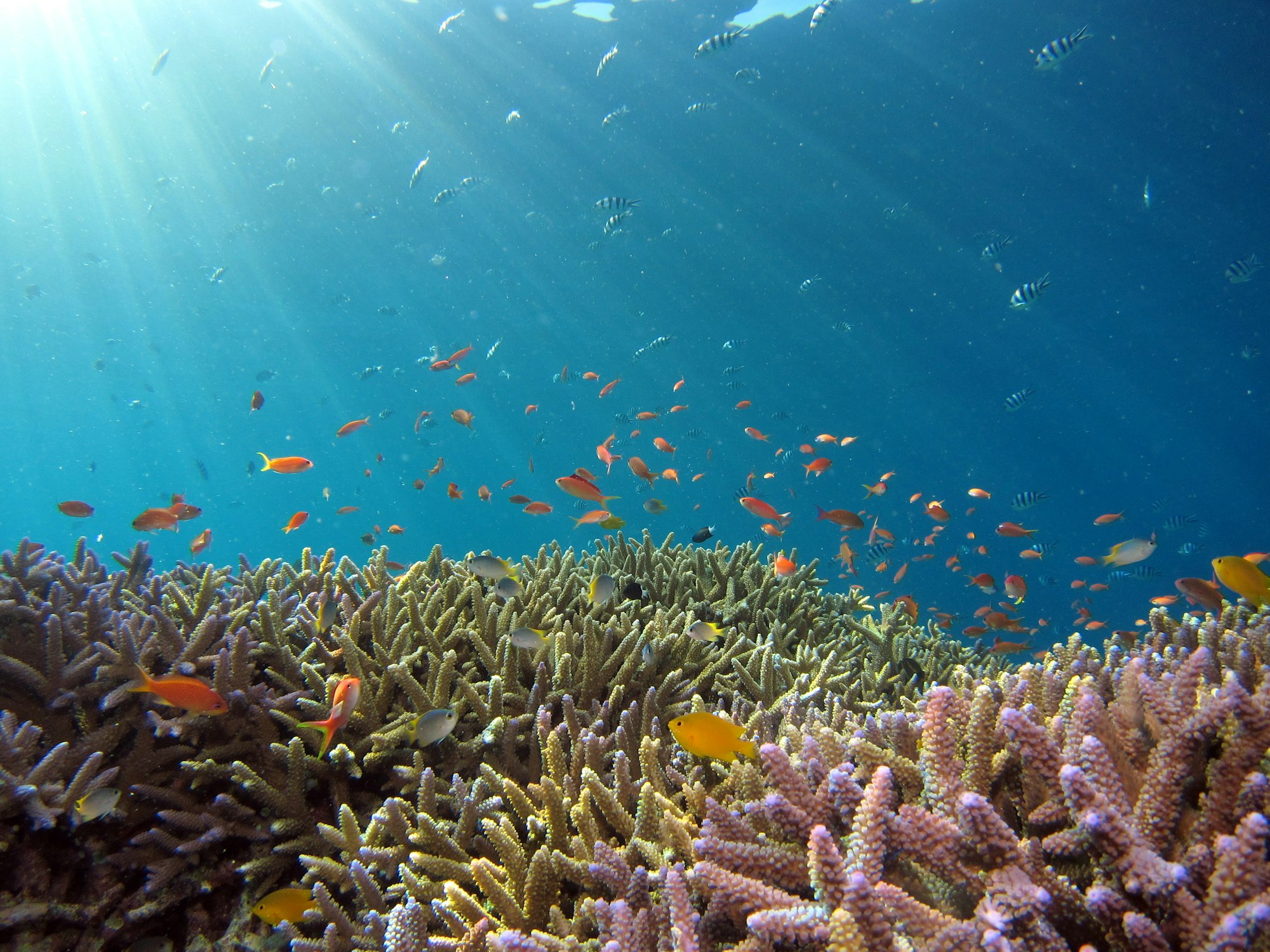
Eagle Ray Pass is one of Grand Cayman’s most celebrated North Wall dive sites, featuring a dramatic deep coral chasm that leads from the shallow reef plateau down to the wall edge. The passage is characterized by towering coral heads, multiple archways, and narrow crevices packed with magnificent sponge formations, gorgonian fans, and black coral. The site takes its name from the spotted eagle rays that are reliably encountered here, often gathering in small groups that cruise along the wall face in formation. This is among the most photogenic passes on the North Wall and is listed as a top site by local dive operators who bring experienced divers seeking both the dramatic landscape and reliable large animal encounters.
Site Information
- Location: North Wall, Grand Cayman (45-minute boat ride from West Side via North Sound)
- Entry Type: Boat dive
- Site Type: Wall dive
- Difficulty Level: Intermediate
- Maximum Depth: 30 meters
- Typical Visibility: 20–40 meters (65–130 feet)
- Current: Moderate — can run along the wall
- Water Temperature: 26–29°C (79–84°F)
- Best Time: Year-round (December–April for calmest conditions)
Marine Life
Spotted eagle rays are the defining wildlife encounter — multiple sources confirm this as a reliable site for eagle ray sightings along the wall. Grouper at cleaning stations are also confirmed in site-specific dive accounts. Lobster, moray eels, and stingrays resting on sand chutes are specifically documented. Schools of horse-eye jacks and barracuda are reported in the blue water around the wall. Black coral (heavily protected) and gorgonian fans are confirmed in the crevice interiors. Caribbean reef sharks are in the broader North Wall environment but not specifically confirmed as Eagle Ray Pass residents in reviewed sources.
Dive Profile
Enter the top of the chasm from the shallow reef plateau and work down through the archways and coral formations. Spend the mid-dive exploring the chasm faces between 15–25 meters before working out to the wall edge for the eagle ray encounter zone at 20–35 meters. Begin ascending along the wall face and finish on the upper reef for the safety stop.
Entry and Exit
Boat dive with mooring buoys at the site or operator-managed deployment. All North Wall operators service this site regularly. Giant stride entry. Current along the wall should be assessed at the start of the dive — plan your direction so the return is with or across the current, not against it.
Tips and Recommendations
- Eagle rays appear unpredictably — spend extended time at the wall edge between 15–25 meters
- Approach eagle ray groups slowly and horizontally — hovering neutral in their path is more effective than pursuing
- The coral formations in the pass reward slow exploration — there is more to see than a quick swim-through
- Nitrox extends no-decompression time at the working depths on this site
- Combine with Trinity Caves or Doc Poulson for a complete North Wall day
Safety Considerations
The 30-meter maximum depth requires careful no-decompression limit management. Visibility after rainstorms can be reduced significantly due to mangrove runoff from the North Sound — confirm conditions before committing to the 45-minute transit. Current along the North Wall can be variable — dive against the current on the outward leg for an easier return. Use a dive computer and establish a firm turnaround depth before descending.
Photography
Eagle Ray Pass is one of Grand Cayman’s premier photography sites. Eagle ray groups in formation against the infinite blue wall backdrop are iconic Caribbean images. The coral chasm with its towering formations provides dramatic architectural wide-angle compositions. Black coral and gorgonian fans reward close-up macro work with a strobe. An underwater video light improves colors on the chasm walls during the descent.
Sources: IBDivingMon – Eagle Ray Pass, XtremeSpots – Eagle Ray Pass Grand Cayman, Steven W. Smeltzer Blog – Eagle Ray Pass. Last updated 2026-05-20.
Sea-surface temperature and wave height from Open-Meteo Marine (ERA5 reanalysis, monthly averages).
2941 verified species observations (232 species) logged within ~11 km of this site between 1937 and 2015, from the Ocean Biodiversity Information System.
- Sparisoma aurofrenatum
- Acanthurus coeruleus
- Apogon townsendi
- Scarus taeniopterus
- Phaeoptyx conklini
- Coryphopterus glaucofraenum
- Scarus iseri
- Moringua edwardsi
- Apogon lachneri
- Cephalopholis cruentata
- Starksia lepicoelia
- Enchelycore nigricans
Scientific survey records skew toward sampled taxa (molluscs, corals) and do not reflect what you are guaranteed to see on a dive.
Source: OBIS (obis.org), aggregated Darwin Core occurrence records.
Conditions change with the tide and the season. If you have dived this site, share what it was actually like — date, visibility, current, and what you saw. Real, recent reports from divers are exactly what this guide is built to collect.
Send a conditions report ›