Trinity Caves
19.2917°N 81.4250°W · cave
Grand Cayman’s dramatic West Bay canyon complex — a network of large coral canyons and swim-throughs (not true caves) famous for its appearance in the Tom Cruise film The Firm and its abundant Caribbean reef life.
Overview
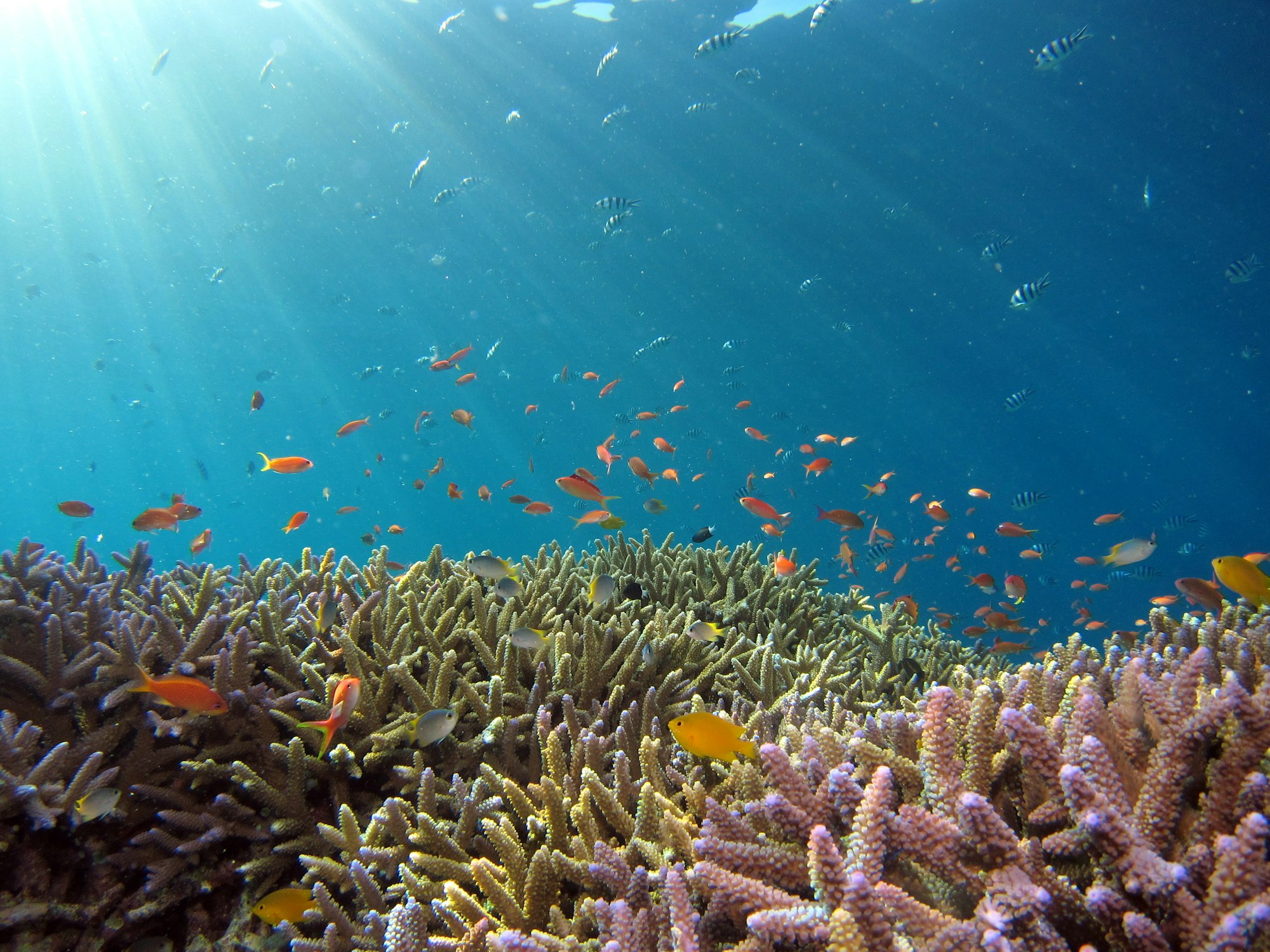
Trinity Caves is a popular West Bay dive site on Grand Cayman’s West Wall, famous for a notable appearance in the 1993 Tom Cruise film The Firm. Despite the name, Trinity Caves does not contain true caves — the site consists of three large, converging coral canyons with dramatic swim-throughs that are navigated with natural light throughout. The canyons converge at the West Wall and can reach approximately 24 meters at the deepest point as they exit over the wall face. The variety of canyon passages means repeated dives reveal different routes and perspectives. The coral canyon structure is well-lit by natural light beams streaming from above.
Site Information
- Location: West Bay, Grand Cayman
- Entry Type: Boat dive
- Site Type: Cave/cavern
- Difficulty Level: Intermediate
- Maximum Depth: 24 meters
- Typical Visibility: 20–40 meters (65–130 feet)
- Current: Light
- Water Temperature: 26–29°C (79–84°F)
- Best Time: Year-round
Marine Life
Site-specific sources confirm at Trinity Caves: tarpon hovering in the canyon shade, spotted lobster in the crevices, schools of silversides (seasonal), reef fish including snapper, angelfish, grunts, parrotfish, and grouper. Large barracuda at canyon exits are reported by dive instructors. Light beams illuminate tube sponges and sea fans on the canyon walls. Nurse sharks in the canyon bases and Caribbean reef sharks in the surrounding reef are referenced in several sources. No single source confirms or denies nurse sharks as common — this is qualified as occasional.
Dive Profile
Enter from the reef plateau and descend into the canyon system, which naturally guides divers through swim-throughs and across different depth zones. The canyons vary from 10 meters to 24 meters in depth. Light penetration from above is consistent throughout — these are not overhead environments requiring cave training. Plan the dive to cover the major canyon routes and exit back to the reef plateau for the safety stop.
Entry and Exit
Boat dive from West Bay operators — Trinity Caves is a frequently dived site in Grand Cayman’s West Side rotation. Mooring buoys are typically present. Giant stride entry. West Side conditions are excellent year-round.
Tips and Recommendations
- A guide who knows the canyon routes is highly recommended for the first dive — the maze-like nature can confuse navigation
- Watch for tarpon in the deeper canyon recesses — they are significantly calmer here than in open water
- The canyons are well-lit throughout — no torch needed for canyon navigation, though one helps with photography
- The film The Firm reference is a talking point for dive guides — it adds a pop culture dimension to the dive
- Combine with Eagle Ray Pass or Orange Canyon on the same day for a varied West Side experience
Safety Considerations
Trinity Caves are technically coral canyon swim-throughs, not true caves — there are no overhead sections requiring cave diving certification. However, good buoyancy is needed to avoid contact with the canyon walls, which can be narrow in sections. Maintain continuous awareness of your exit direction to avoid disorientation in the maze. Standard recreational dive depth management at 24 meters.
Photography
The coral canyon environment creates dramatic compositions with natural light streaming from above. Tarpon in the canyon shadows with a bright exit visible behind them are classic images. Wide-angle shots of divers in the canyon passages capture the scale of the formations. Sea fans on the canyon walls photograph beautifully with a single strobe at close range.
Sources: Dive Red Sail Cayman – Dive Sites, Underwater Photography – Trinity Caves, DiveAdvisor – Trinity Caves. Last updated 2026-05-20.
Sea-surface temperature and wave height from Open-Meteo Marine (ERA5 reanalysis, monthly averages).
2778 verified species observations (243 species) logged within ~11 km of this site between 1937 and 2009, from the Ocean Biodiversity Information System.
- Acanthurus coeruleus
- Sparisoma aurofrenatum
- Apogon townsendi
- Moringua edwardsi
- Scarus taeniopterus
- Coryphopterus glaucofraenum
- Phaeoptyx conklini
- Apogon lachneri
- Cephalopholis cruentata
- Sparisoma viride
- Kaupichthys hyoproroides
- Starksia lepicoelia
Scientific survey records skew toward sampled taxa (molluscs, corals) and do not reflect what you are guaranteed to see on a dive.
Source: OBIS (obis.org), aggregated Darwin Core occurrence records.
Conditions change with the tide and the season. If you have dived this site, share what it was actually like — date, visibility, current, and what you saw. Real, recent reports from divers are exactly what this guide is built to collect.
Send a conditions report ›