Coral Garden Marine Protected Area
11.3403°N 124.1233°E · reef
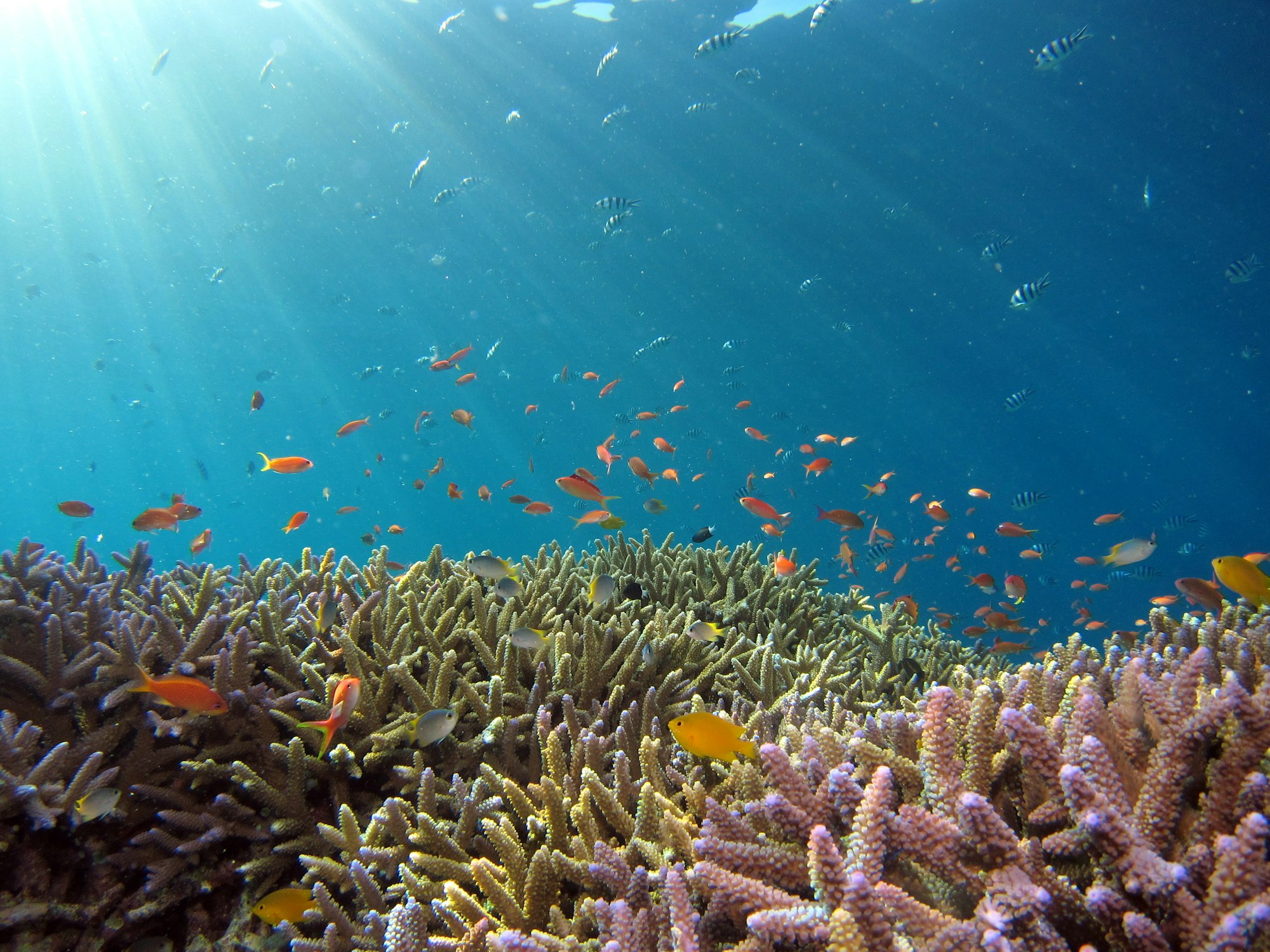
Coral Garden Marine Protected Area is one of Malapascua Island’s protected reef zones, offering impressive coral diversity in a formally managed conservation area that showcases what the region’s reefs can achieve with consistent protection.
Overview
Malapascua Island hosts several marine protected areas, and this Coral Garden MPA represents one of the most significant reef conservation efforts in the community. The MPA designation has created a sanctuary effect, with fish populations visibly healthier and denser than in unprotected areas nearby. The reef structure features abundant hard corals including table Acropora, brain corals, and massive Porites, forming a complex habitat that extends to 30 meters at the deep perimeter. The shallow sections of the reef garden are characterised by branching coral colonies creating a maze-like topography. Visiting divers are expected to follow MPA rules, which typically include no collecting, no anchoring on coral, and limited diver numbers per day.
Site Information
- Location: Malapascua Island, Philippines
- Entry Type: Boat dive
- Site Type: Reef
- Difficulty Level: Intermediate
- Maximum Depth: 30 meters
- Typical Visibility: 10-25 meters
- Current: Moderate; variable direction
- Best Time: March to June
Marine Life
The MPA protection has allowed fish populations to recover to impressive levels. Large schools of snapper and fusiliers are characteristic of the site. Napoleon wrasse and large grouper occupy territories throughout the reef. Sea turtles rest on the coral structures. The structural complexity of the coral garden provides habitat for hundreds of reef fish species, and macro subjects including nudibranchs and flatworms are abundant in the rubble margins.
Dive Profile
Begin on the shallower reef sections at 8–15 meters to appreciate the diverse coral architecture before working down to the reef perimeter at 25–30 meters. The MPA’s protected status means fish are relatively approachable. Allow time on the way back up for a thorough exploration of the complex shallow coral formations, which reward slow, patient diving.
Entry and Exit
Accessible by banca from Malapascua dive resorts. MPA fees may apply — check with your dive operator before arrival. Entry by giant stride; SMB for ascent. Follow the briefing from your local guide regarding MPA rules and entry points.
Tips and Recommendations
- Pay the MPA conservation fee willingly — it funds the protection that makes this site special
- Take time to appreciate the complexity of the shallow coral garden, which is unique in the area
- Move slowly through the MPA — the fish are less conditioned to flee than at unprotected sites
- Bring macro gear alongside wide-angle; both will be productive here
- Ask your guide about the best season for visibility — Malapascua can experience plankton blooms
Safety Considerations
Currents can be moderate at times. The deeper sections at 25–30 meters require attention to no-decompression limits. MPA rules include behaviours that protect both the reef and divers, so follow them carefully. SMB for ascent is essential.
Photography
The Coral Garden’s rich structure offers exceptional reef photography. Wide-angle shots in the shallow coral maze, close-up images of diverse coral species, and fish portrait photography are all productive. The MPA’s dense fish populations make reef scenes particularly impressive.
Sources: Malapascua Thresher Shark Divers - Dive Sites, ZuBlu Thresher Sharks of Malapascua, Thresher Shark Divers Resort, Diving Squad Malapascua Guide, Divernet Malapascua Diving Guide. Last updated 2026-04-04.
Sea-surface temperature and wave height from Open-Meteo Marine (ERA5 reanalysis, monthly averages).
537 verified species observations (203 species) logged within ~11 km of this site between 1908 and 2025, from the Ocean Biodiversity Information System.
- Alopias pelagicus
- Sphenanthias
- Cetorhinus maximus
- Bathycongrus
- Clavelina moluccensis
- Goniobranchus reticulatus · チリメンウミウシ
- Nembrotha cristata · トサカリュウグウウミウシ
- Tambja morosa · ミドリリュウグウウミウシ
- Hypselodoris variobranchia · カグヤヒメウミウシ
- Halgerda batangas
- Thuridilla lineolata · ソライロミドリガイ
- Nembrotha kubaryana · アカフチリュウグウウミウシ
Scientific survey records skew toward sampled taxa (molluscs, corals) and do not reflect what you are guaranteed to see on a dive.
Source: OBIS (obis.org), aggregated Darwin Core occurrence records.
Conditions change with the tide and the season. If you have dived this site, share what it was actually like — date, visibility, current, and what you saw. Real, recent reports from divers are exactly what this guide is built to collect.
Send a conditions report ›