Dakit-Dakit
11.3236°N 124.1091°E · pinnacle
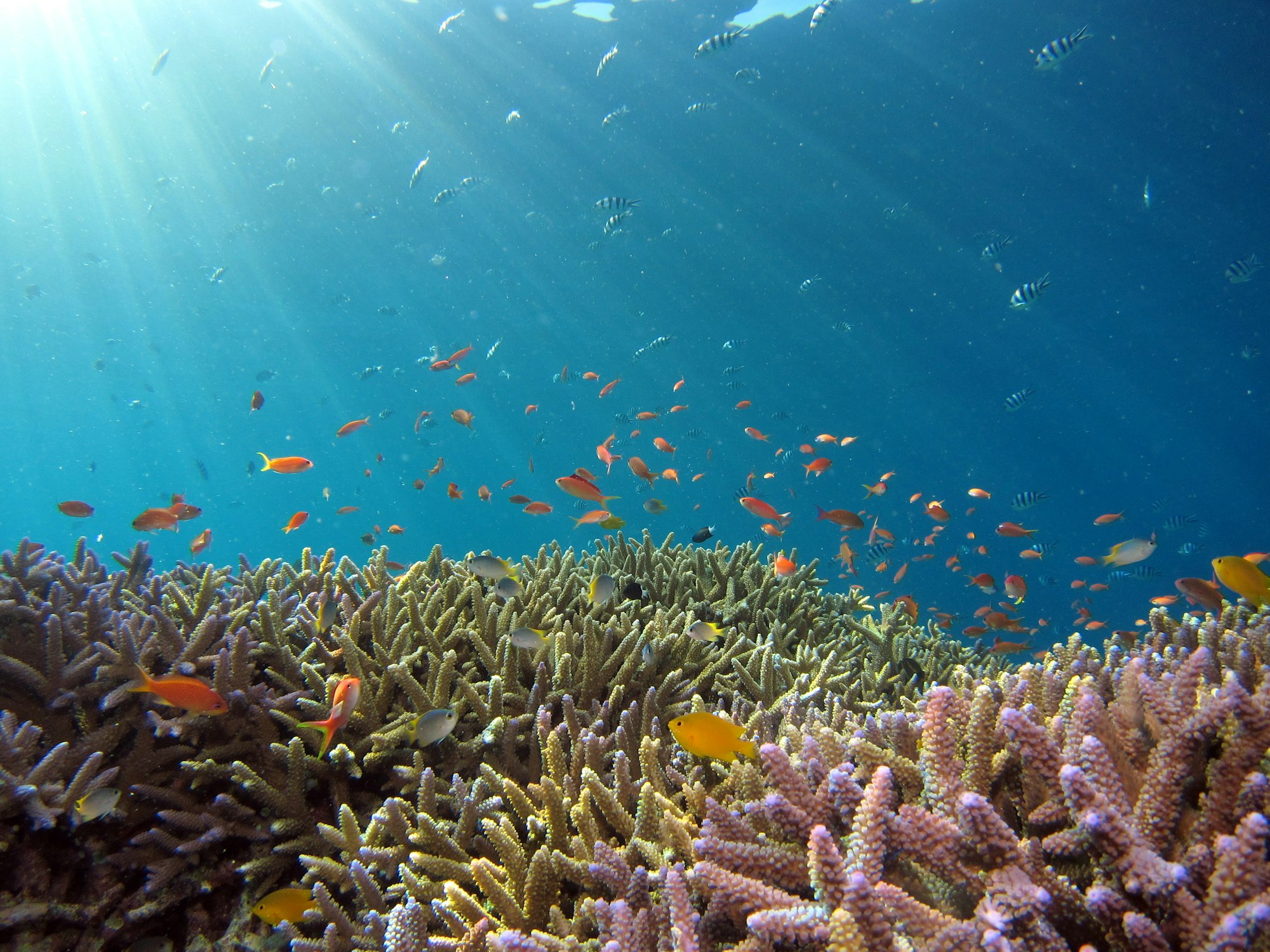
Dakit-Dakit is a very shallow pinnacle dive site off Malapascua Island, known for its excellent coral and macro life concentrated in waters no deeper than 12 meters — making it an ideal site for extended underwater photography or a relaxed end-of-day dive.
Overview
“Dakit” in local dialect suggests something small and close together, reflecting the nature of this compact pinnacle feature that breaks near the surface. The pinnacle creates a microhabitat where the shallowest sections receive abundant sunlight, promoting vigorous coral growth. Hard corals are the primary structure, with plate corals and branching forms dominating the well-lit upper sections. The surrounding shallow water creates excellent natural light for photography throughout the day. Given the 12-meter maximum depth, this site is suitable for all certified diver levels and offers exceptional bottom time — a full tank can easily last 60–80 minutes here with controlled breathing.
Site Information
- Location: Near Malapascua Island, Philippines
- Entry Type: Boat dive
- Site Type: Pinnacle/seamount
- Difficulty Level: Intermediate
- Maximum Depth: 12 meters
- Typical Visibility: 8-20 meters
- Current: Light to moderate
- Best Time: Year-round; morning for best light
Marine Life
The shallow, sun-drenched pinnacle supports a vibrant community of smaller reef species. Clownfish in anemones are prominent. Damselfish schools dart across the coral surface. Flatworms and nudibranchs creep through the coral growth, and macro subjects are consistently found throughout the reef. Sea snakes are common in the Malapascua area and may be encountered cruising the pinnacle. Frogfish occasionally turn up on the coral structure, using camouflage to blend into sponge growth.
Dive Profile
At 12 meters maximum, the entire depth range of this site can be covered in a single descending and ascending loop. Work slowly around the pinnacle, looking carefully at coral surfaces for cryptic species. The very shallow sections at 2–5 meters are worth extended time — the diversity of small life here often exceeds that of the deeper sections. This is a site where unhurried exploration pays dividends.
Entry and Exit
Short banca ride from Malapascua resorts. Entry by giant stride or back roll; the shallow water allows visual confirmation of the pinnacle location before entry. Return to the banca by ladder.
Tips and Recommendations
- The shallow depth makes this an excellent night dive — cryptic species emerge after dark
- Use very slow movements to maximise observation of small, shy critters
- Bring a macro lens and torch — this is a site for patient detail photography
- The extended bottom time possible here makes it ideal for photographers who want time for multiple shots of the same subject
- Consider this as a night dive option after dinner — night life at shallow reefs around Malapascua is exceptional
Safety Considerations
The shallow depth minimises decompression risk. Standard boat diving precautions apply. Be aware of boat traffic near the surface — deploy SMB before ascending even at this shallow depth.
Photography
The ideal macro photography site in the Malapascua area. Extended bottom time at 12 meters allows thorough searching for nudibranchs, flatworms, frogfish, and other cryptic subjects. The excellent natural light eliminates the need for flash in most conditions. Night diving here transforms the site with different behaviour and species.
Sources: Malapascua Thresher Shark Divers - Dive Sites, ZuBlu Thresher Sharks of Malapascua, Thresher Shark Divers Resort, Diving Squad Malapascua Guide, Divernet Malapascua Diving Guide. Last updated 2026-04-04.
Sea-surface temperature and wave height from Open-Meteo Marine (ERA5 reanalysis, monthly averages).
539 verified species observations (204 species) logged within ~11 km of this site between 1908 and 2025, from the Ocean Biodiversity Information System.
- Alopias pelagicus
- Sphenanthias
- Cetorhinus maximus
- Bathycongrus
- Clavelina moluccensis
- Goniobranchus reticulatus · チリメンウミウシ
- Nembrotha cristata · トサカリュウグウウミウシ
- Tambja morosa · ミドリリュウグウウミウシ
- Hypselodoris variobranchia · カグヤヒメウミウシ
- Thuridilla lineolata · ソライロミドリガイ
- Nembrotha kubaryana · アカフチリュウグウウミウシ
- Hypselodoris bullockii · ゾウゲイロウミウシ
Scientific survey records skew toward sampled taxa (molluscs, corals) and do not reflect what you are guaranteed to see on a dive.
Source: OBIS (obis.org), aggregated Darwin Core occurrence records.
Conditions change with the tide and the season. If you have dived this site, share what it was actually like — date, visibility, current, and what you saw. Real, recent reports from divers are exactly what this guide is built to collect.
Send a conditions report ›