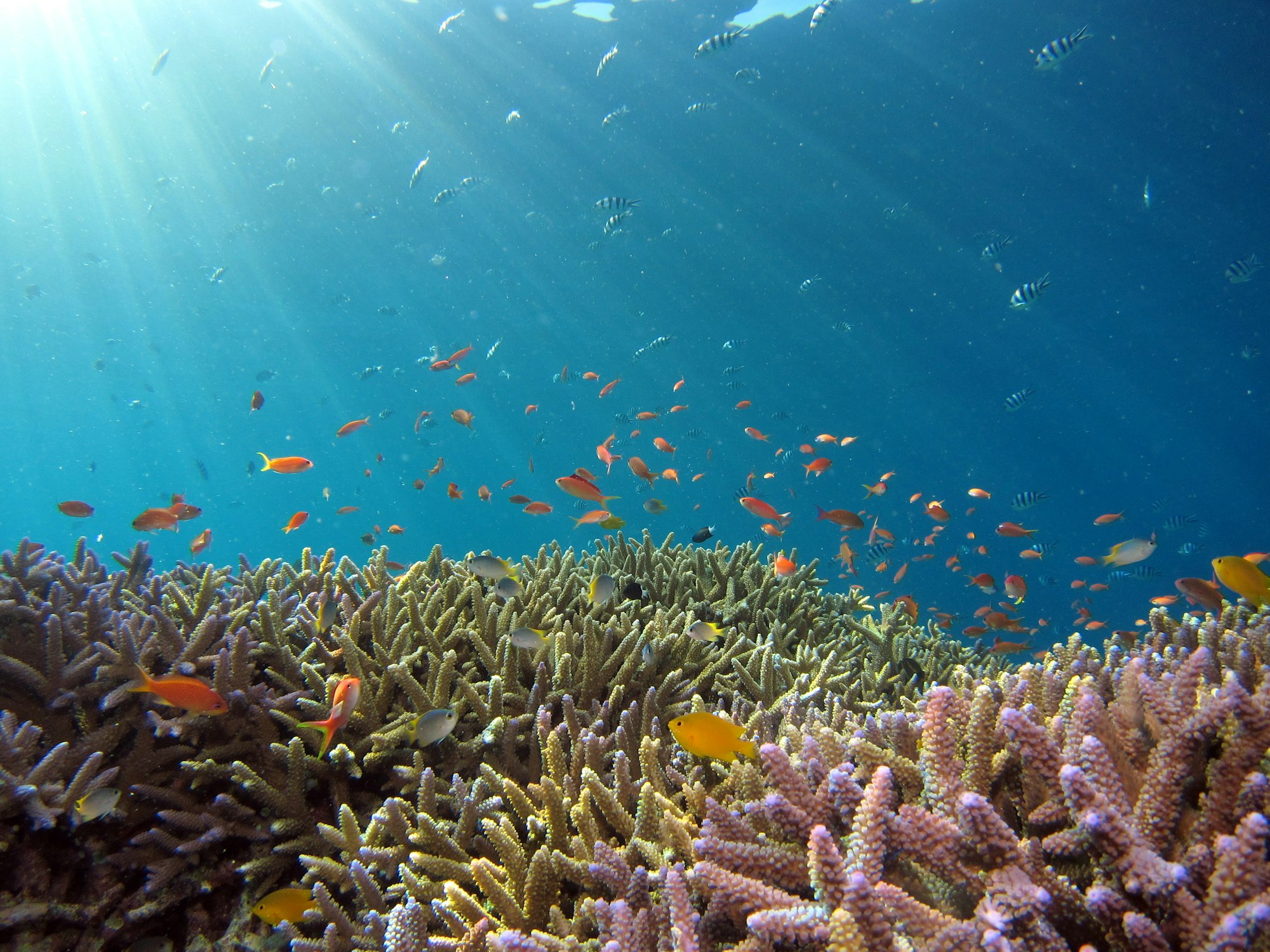
Batu Rufas Dive Site
0.5659°S 130.2844°E · reef
Batu Rufas is a productive reef site in the Fam Islands area of southern Raja Ampat, known for its soft coral-encrusted structures and a reputation as one of the region’s manta ray transit corridors.
Overview
Situated in the Fam Island group, Batu Rufas (“Rufas Rock”) is a reef system rising from deeper water whose exposed position in the tidal flow creates ideal conditions for filter-feeding organisms and the larger animals that depend on them. The reef is draped in soft coral — red and orange dendronephthya fans, leather corals, and encrusting sponges give the structure vivid color at depth. Manta rays pass through on their feeding circuits, and experienced divemasters time visits around tidal phases that bring mantas closer to the reef. Water temperature averages 27–29°C with visibility of 15–25 meters.
Site Information
- Location: Raja Ampat, West Papua, Indonesia
- Entry Type: Boat dive
- Site Type: Reef
- Difficulty Level: Intermediate
- Maximum Depth: 25 meters
- Typical Visibility: 15–25 meters (50–80 feet)
- Current: Moderate; site benefits from tidal flow for soft coral and manta activity
- Best Time: October to April
Marine Life
Reef manta rays are the headline attraction — they pass through the site on feeding circuits, particularly during plankton-rich tidal exchanges. The reef itself supports white-tip and black-tip reef sharks, napoleon wrasse, large schools of fusiliers, and occasional bumphead parrotfish. Soft coral gardens host a range of nudibranchs and flatworms. Hawksbill turtles are resident. The Fam Islands area is one of the least-dived regions in Raja Ampat, so marine life is especially undisturbed.
Dive Profile
The dive follows the reef structure from the shallows at around 5 meters down to 20–25 meters. The richest soft coral growth tends to be on the current-facing sides of the reef at 12–20 meters. Spend time at depth inspecting the coral structure before ascending slowly up the reef slope. If mantas are present, remain calm and still on the reef top at 8–12 meters and allow them to approach on their feeding passes.
Entry and Exit
Access is by liveaboard tender or day-trip boat. The remote Fam Islands location makes this predominantly a liveaboard site. Entry via giant stride or back roll. Surface conditions are generally calm in this sheltered archipelago. Deploy SMB for ascent when drifting off the reef edge.
Tips and Recommendations
- Check tidal timing with your guide — manta passage is most likely on the incoming flood tide
- Carry a wide-angle lens for potential manta encounters alongside a macro setup for soft coral life
- The site’s remote location means dive conditions are usually undisturbed by heavy boat traffic
- Respect the manta protection zone; do not chase, touch, or cut off manta rays
- Allow extra bottom time at 10–15 meters for manta passes before ascending
Safety Considerations
Moderate currents can occur at Batu Rufas during tidal exchange. Carry an SMB and be prepared to drift if current increases unexpectedly. The remote location means emergency services are many hours away — dive conservatively and plan within no-decompression limits.
Photography
Soft coral macro and manta wide-angle define the photographic opportunities at this site. If a manta is present, wide-angle glass is the priority. If no mantas appear, the dendronephthya soft corals at depth are exceptional macro and close-focus wide-angle subjects. Bring both lens configurations if your system allows.
Sources: Papua Diving - Raja Ampat Dive Sites, Bluewater Dive Travel - Raja Ampat Diving, La Galigo Liveaboard - Top 10 Raja Ampat Dive Sites, Girls That Scuba - Scuba Diving Raja Ampat, PADI - Diving in Raja Ampat. Last updated 2026-04-04.
Sea-surface temperature and wave height from Open-Meteo Marine (ERA5 reanalysis, monthly averages).
269 verified species observations (92 species) logged within ~11 km of this site between 1995 and 2019, from the Ocean Biodiversity Information System.
- Trimma haimassum
- Trimma stobbsi · Stobbs' Pygmy Goby
- Trimma habrum
- Eviota sparsa · Sparse Eviota
- Trimma tevegae · Blue-striped Dwarfgoby
- Trimma
- Trimma xanthochrum
- Eviota pellucida
- Trimma hollemani
- Trimma gigantum
- Trimmatom sagma
- Sueviota lachneri
Scientific survey records skew toward sampled taxa (molluscs, corals) and do not reflect what you are guaranteed to see on a dive.
Source: OBIS (obis.org), aggregated Darwin Core occurrence records.
Conditions change with the tide and the season. If you have dived this site, share what it was actually like — date, visibility, current, and what you saw. Real, recent reports from divers are exactly what this guide is built to collect.
Send a conditions report ›