Chicken Reef
0.5466°S 130.7025°E · reef
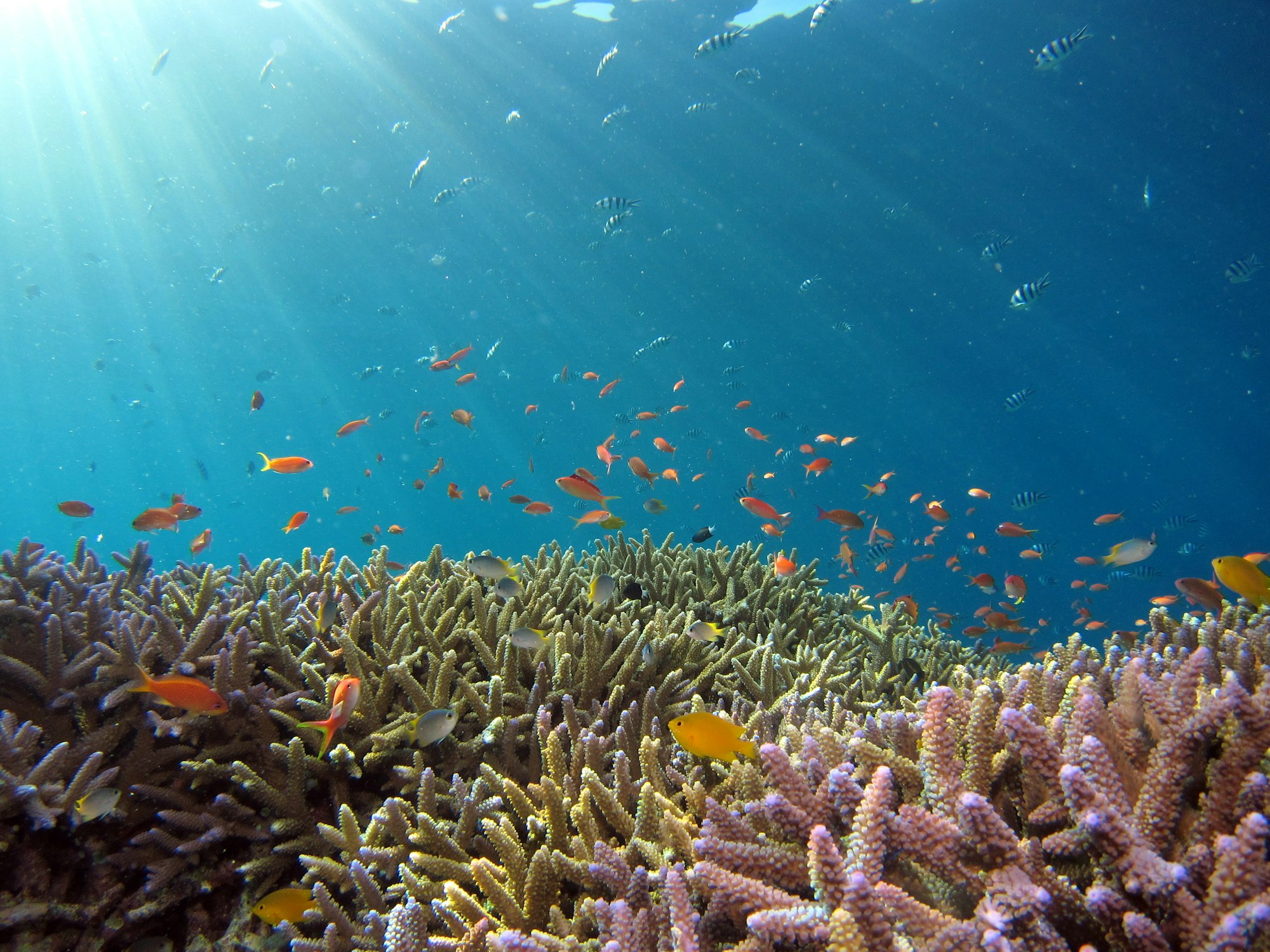
Chicken Reef is a reef dive in the eastern Dampier Strait of Raja Ampat, named after the local villages’ chicken farming activity on the nearby shoreline — an endearingly matter-of-fact name for a site that delivers solid Raja Ampat reef diving with good coral coverage and a productive resident fish community.
Overview
Chicken Reef sits in the productive eastern section of the Dampier Strait near the Mansuar Island area, where tidal exchange keeps the water nutrient-rich and the reef life active. The reef itself is a gently sloping structure with healthy hard coral development in the shallows and a more complex mix of soft coral, encrusting sponge, and sea fans at depth. While it lacks the marquee status of nearby Blue Magic or Sardine Reef, Chicken Reef provides a reliable, quality reef dive that is often included in eastern Dampier Strait multi-dive day itineraries. Water temperature averages 27–29°C with visibility of 12–20 meters.
Site Information
- Location: Raja Ampat, West Papua, Indonesia
- Entry Type: Boat dive
- Site Type: Reef
- Difficulty Level: Intermediate
- Maximum Depth: 25 meters
- Typical Visibility: 12–20 meters (40–65 feet)
- Current: Variable; moderate on tidal exchange
- Best Time: October to April
Marine Life
The reef supports a characteristic Dampier Strait fish community: schools of fusiliers and snapper in the mid-water zone, hawksbill turtles on the reef top, and resident white-tip reef sharks at the reef base. Napoleon wrasse are regular visitors. The coral gardens in the upper 10 meters support colorful reef fish including butterflyfish, angelfish, and parrotfish. Macro life in the rubble areas between coral heads — nudibranchs, flatworms, and various crustaceans — rewards careful searching.
Dive Profile
Standard sloping reef dive from 5 meters at the crest to 20–25 meters at the base. Spend time at each depth zone as marine life composition changes with depth. The upper zone of hard coral is excellent for reef fish observation; the deeper slope offers more cryptic and macro life. Finish the dive on the shallow reef top for an easy safety stop.
Entry and Exit
Boat access from eastern Dampier Strait liveaboards or day-trip operators based near Mansuar or Arborek. Entry via giant stride. Deploy SMB on ascent; the Dampier Strait has significant boat traffic.
Tips and Recommendations
- Chicken Reef pairs well with Blue Magic or Sardine Reef in a multi-dive eastern Dampier day
- A slower pace rewards divers who look carefully at the substrate between coral heads
- Ask your guide about recent unusual sightings — the eastern Dampier is diverse and surprises are regular
- A torch helps with crevice inspection even on daytime dives
Safety Considerations
Standard intermediate reef protocols apply. Moderate currents possible on tidal exchange — carry an SMB. Monitor air consumption and depth carefully.
Photography
Good all-round reef photography location. Hard coral wide-angle in the shallows, reef fish portraits at all depths, and macro subjects in the rubble. Combine with nearby marquee sites for a photographically varied day in the eastern Dampier.
Sources: Papua Diving - Raja Ampat Dive Sites, Bluewater Dive Travel - Raja Ampat Diving, La Galigo Liveaboard - Top 10 Raja Ampat Dive Sites, Girls That Scuba - Scuba Diving Raja Ampat, PADI - Diving in Raja Ampat. Last updated 2026-04-04.
Sea-surface temperature and wave height from Open-Meteo Marine (ERA5 reanalysis, monthly averages).
262 verified species observations (110 species) logged within ~11 km of this site between 1995 and 2025, from the Ocean Biodiversity Information System.
- Acanthurus lineatus
- Ctenochaetus striatus
- Hippocampus bargibanti
- Hippocampus denise
- Hippocampus pontohi
- Pseudamia hayashii · Hayashi's Cardinalfish
- Pseudochromis fuscus · Brown Dottyback
- Cypho
- Chrysiptera
- Trimma xanthum · Yellow-red Pygmygoby
- Asterropteryx
- Hemiscyllium
Scientific survey records skew toward sampled taxa (molluscs, corals) and do not reflect what you are guaranteed to see on a dive.
Source: OBIS (obis.org), aggregated Darwin Core occurrence records.
Conditions change with the tide and the season. If you have dived this site, share what it was actually like — date, visibility, current, and what you saw. Real, recent reports from divers are exactly what this guide is built to collect.
Send a conditions report ›