Friwen Bonda
0.4751°S 130.6981°E · wall
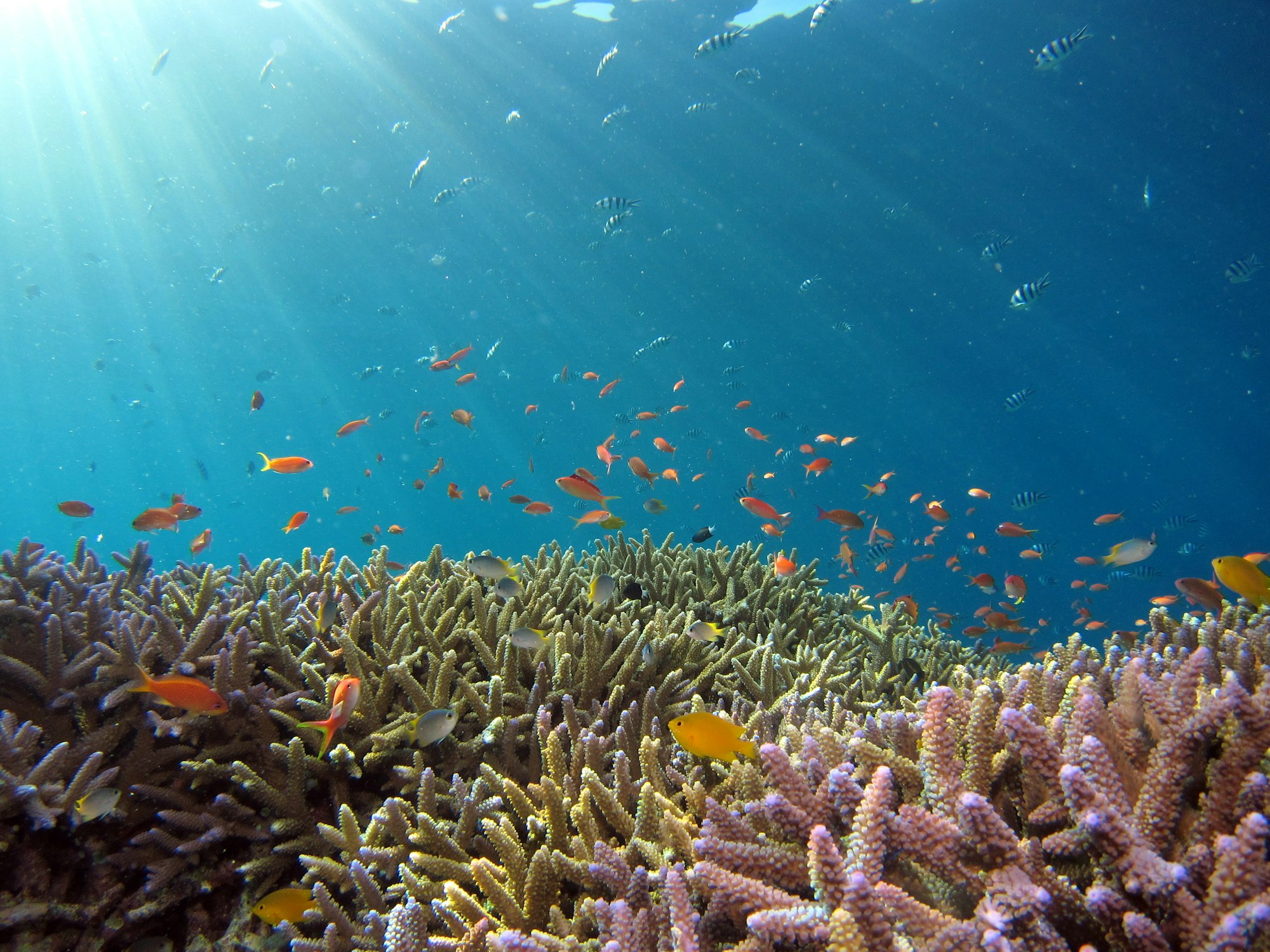
Friwen Bonda is a spectacular wall dive on the outer face of Friwen Island, in the heart of Raja Ampat’s Bird’s Head Seascape — an underwater cliff draped in pristine hard corals and hiding some of the best pygmy seahorse habitat in Indonesia.
Overview
“Bonda” means “outside” in the local language, and this site lives up to its name as the exposed outer wall of Friwen Island. The wall drops vertically from a reef crest at around 5 meters to well beyond recreational limits, its face covered in immaculate hard coral — plate corals, brain corals, massive Porites heads, and dense acropora stands that have escaped anchor damage. Visibility averages 15–25 meters and water temperature sits around 27–29°C. The site is consistently listed among Raja Ampat’s top wall dives by liveaboard guides and ScubaBoard contributors.
Site Information
- Location: Raja Ampat, West Papua, Indonesia
- Entry Type: Boat dive
- Site Type: Wall dive
- Difficulty Level: Beginner
- Maximum Depth: 25 meters
- Typical Visibility: 15–25 meters (50–80 feet)
- Current: Mild to moderate; can strengthen on tidal flow
- Best Time: October to April
Marine Life
Sources confirmed at this site (papua-diving.com, meridianadventuredive.com, padi.com, rajaampatdiveexperience.com, lagaligoliveaboard.com): the site is known for the highest nudibranch diversity in Raja Ampat, and pygmy seahorses on gorgonian fans. Knowledgeable guides know which fans to check. Hawksbill turtles are a regular presence on the wall.
Dive Profile
Begin at the reef crest at 5 meters and follow the wall downward. The most productive pygmy seahorse habitat is between 15–20 meters — ask the guide to show you the resident sea fans before descending further. The wall continues to 25+ meters with dramatic drop-off perspectives. Return to the top of the wall and finish the dive in the shallow hard coral garden; torch work near the reef crest reveals nudibranchs and small crustaceans invisible in ambient light alone.
Entry and Exit
Accessed by boat from liveaboards or day trips from Friwen Island homestays. Entry by back roll or giant stride. The wall’s crest makes for an easy reference point throughout the dive. Surface in calm water on the island’s lee side; deploy SMB before ascending from the wall face.
Tips and Recommendations
- Ask your guide specifically for pygmy seahorse locations — they are tiny (2 cm) and impossible to find without local knowledge
- A macro lens and dive torch are essential for the wall crevice life
- Buoyancy must be excellent — the pristine coral is irreplaceable
- Depths beyond 20 meters consume air rapidly in the excitement; monitor gauges carefully
- The shallow reef top at 3–5 meters is outstanding for a final drift before surfacing
Safety Considerations
The exposed wall face can experience surge and current. Monitor depth carefully — the wall drop-off offers no depth floor reference and divers can drift deeper than planned. Carry an SMB and ascend along the wall rather than ascending in open water. Decompression emergencies require evacuation to Sorong; plan conservative profiles.
Photography
Friwen Bonda rewards both macro and wide-angle shooters. Pygmy seahorses demand a macro lens, patience, and a steady hand. Wide-angle shots looking up the wall face with diver silhouettes against the blue water create dramatic compositions. The pristine hard coral gardens at the top of the wall are exceptional for coral reef photography.
Sources: Papua Diving, Meridian Adventure Dive, PADI, La Galigo Liveaboard. Last updated 2026-06-27.
Sea-surface temperature and wave height from Open-Meteo Marine (ERA5 reanalysis, monthly averages).
270 verified species observations (127 species) logged within ~11 km of this site between 1990 and 2025, from the Ocean Biodiversity Information System.
- Acanthurus lineatus
- Ctenochaetus striatus
- Hippocampus bargibanti
- Hippocampus denise
- Pseudamia hayashii · Hayashi's Cardinalfish
- Pseudochromis fuscus · Brown Dottyback
- Hippocampus pontohi
- Cypho
- Trimma xanthum · Yellow-red Pygmygoby
- Asterropteryx
- Apogon · three-saddle cardinalfish
- Hemiscyllium
Scientific survey records skew toward sampled taxa (molluscs, corals) and do not reflect what you are guaranteed to see on a dive.
Source: OBIS (obis.org), aggregated Darwin Core occurrence records.
Conditions change with the tide and the season. If you have dived this site, share what it was actually like — date, visibility, current, and what you saw. Real, recent reports from divers are exactly what this guide is built to collect.
Send a conditions report ›