Friwen Laut
0.4744°S 130.7001°E · reef
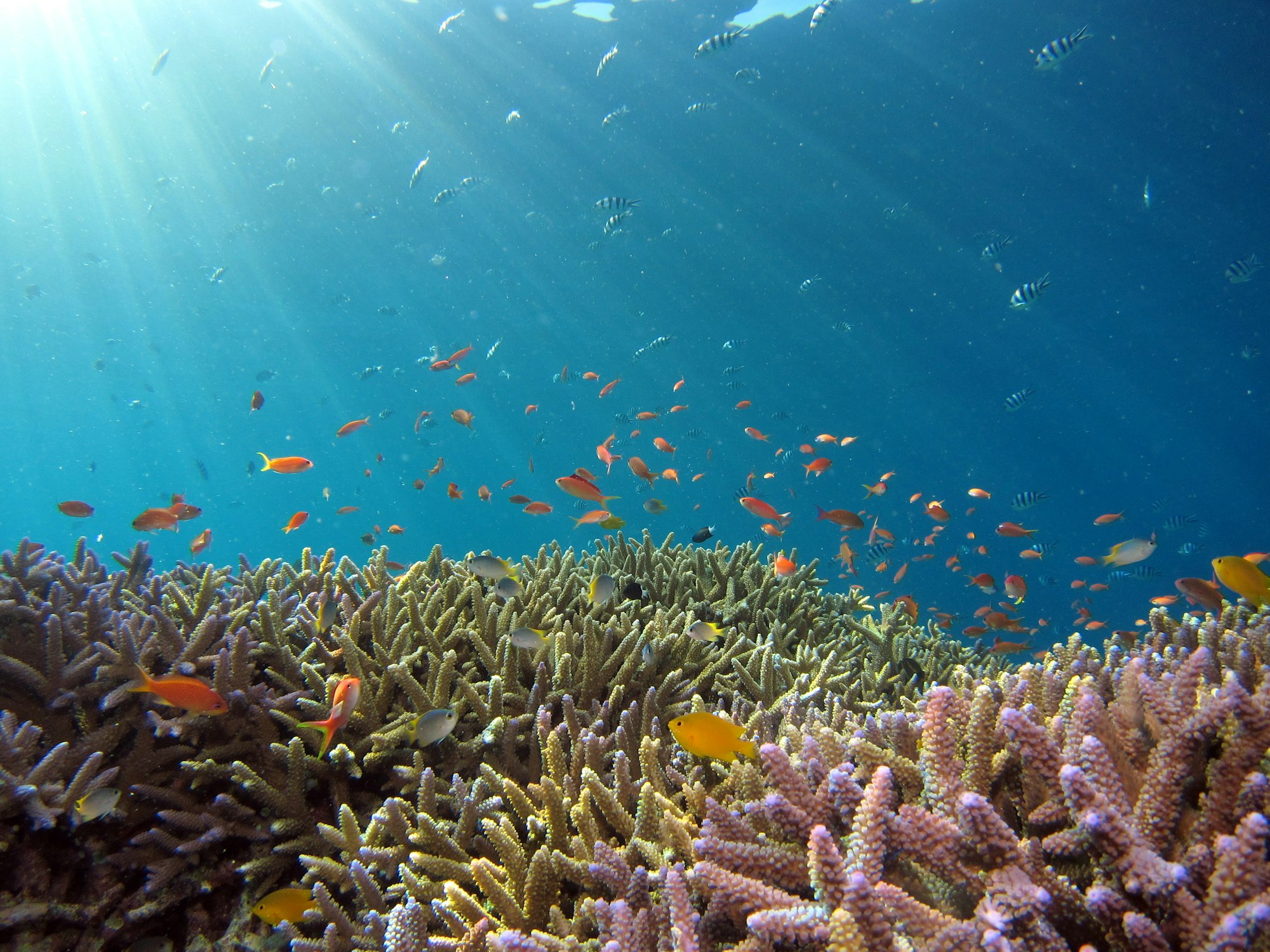
Friwen Laut is a sloping reef site adjacent to Friwen Island in northern Raja Ampat — distinct from Friwen Bonda (the wall) and Friwen Garden. Sources confirm a shallow start at 3 meters sloping to 25 meters, with none to mild current making this a Beginner-accessible site.
Overview
Friwen Laut (“sea Friwen”) is the sloping reef site of the Friwen Island group, distinguished from the wall (Friwen Bonda) and the garden (Friwen Garden). The reef starts shallow at 3 meters and descends to 25 meters. Current is none to mild, confirmed by rajaampatbiodiversity.com, lagaligoliveaboard.com, and meridianadventuredive.com. Water temperature averages 27–29°C.
Site Information
- Location: Raja Ampat, West Papua, Indonesia
- Entry Type: Boat dive
- Site Type: Reef
- Difficulty Level: Beginner
- Maximum Depth: 25 meters
- Shallow Start: 3 meters
- Current: None to mild
- Best Time: October to April
Marine Life
Sources confirmed at this specific site (rajaampatbiodiversity.com, lagaligoliveaboard.com, meridianadventuredive.com): endemic Raja Ampat garden eels, ribbon eels, blue-spotted stingrays, and dense nudibranch populations. The shallow accessible start makes this suitable for snorkeling as well.
Sources: Raja Ampat Biodiversity, La Galigo Liveaboard, Meridian Adventure Dive. Last updated 2026-06-27.
Sea-surface temperature and wave height from Open-Meteo Marine (ERA5 reanalysis, monthly averages).
270 verified species observations (127 species) logged within ~11 km of this site between 1990 and 2025, from the Ocean Biodiversity Information System.
- Acanthurus lineatus
- Ctenochaetus striatus
- Hippocampus bargibanti
- Hippocampus denise
- Pseudamia hayashii · Hayashi's Cardinalfish
- Pseudochromis fuscus · Brown Dottyback
- Hippocampus pontohi
- Cypho
- Trimma xanthum · Yellow-red Pygmygoby
- Asterropteryx
- Apogon · three-saddle cardinalfish
- Hemiscyllium
Scientific survey records skew toward sampled taxa (molluscs, corals) and do not reflect what you are guaranteed to see on a dive.
Source: OBIS (obis.org), aggregated Darwin Core occurrence records.
Conditions change with the tide and the season. If you have dived this site, share what it was actually like — date, visibility, current, and what you saw. Real, recent reports from divers are exactly what this guide is built to collect.
Send a conditions report ›