GA's Flash
0.5117°S 130.4551°E · reef
GA’s Flash is a reef dive site in the Gam Island area of Raja Ampat, West Papua, Indonesia. The “GA” in the name likely refers to a guide or expedition operator associated with the site’s discovery.
Overview
GA’s Flash is a local dive site in the Gam Island cluster, sitting alongside nearby neighbours Gam Ridge, Mangrove Ridge, and Fuzzy Rock in a productive concentration of reef diving accessible from Gam area homestays. While one visitor noted the shallow surface snorkelling was unremarkable, diving the site properly reveals a reef that improves with depth — the characteristic pattern of many Indo-Pacific reefs where the surface zone can be affected by bleaching or storm damage but the deeper sections remain productive. The site suits divers willing to explore methodically rather than expecting spectacle from the entry point. Visibility typically reaches 20-30 meters and water temperatures average 27-29°C.
Site Information
- Location: Raja Ampat, West Papua, Indonesia
- Entry Type: Boat dive
- Site Type: Reef
- Difficulty Level: Intermediate
- Maximum Depth: 25 meters
- Typical Visibility: 15-30 meters
- Current: Moderate, variable
- Best Time: October to April
Marine Life
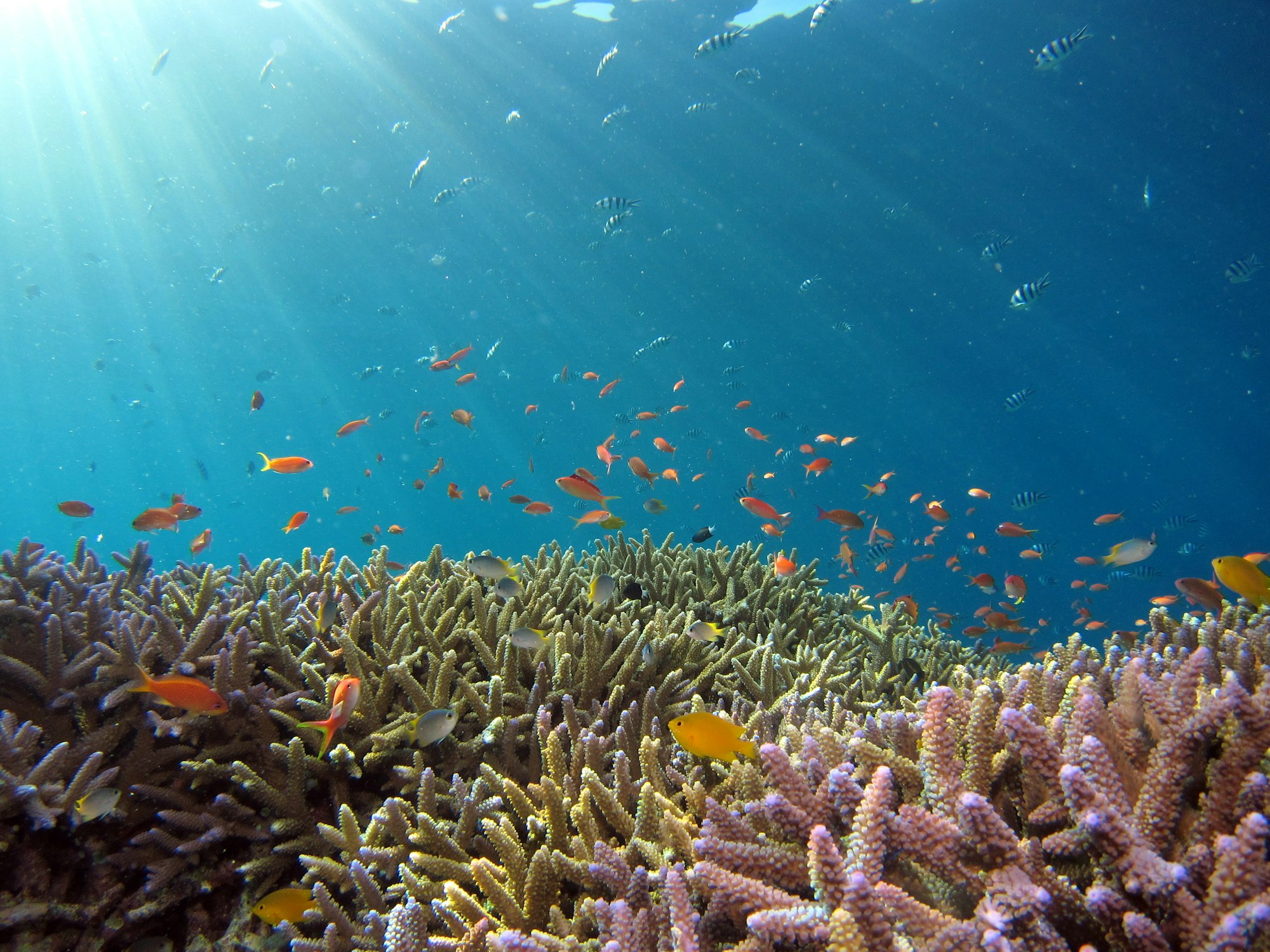
Descend past the surface zone and the reef reveals the fish diversity that defines Raja Ampat. Anthias school over mid-reef bommies, parrotfish and surgeonfish graze the coral surface, and reef sharks cruise the edges. Clownfish in anemones are present throughout. Groupers and moray eels occupy crevices at depth. Nudibranchs and flatworms reward macro-focused observers on the encrusting growth. Sea turtles are frequently sighted, and Napoleon wrasse make occasional passes.
Dive Profile
Descend directly to the more productive mid-depth zone (10-18 meters) rather than spending excessive time at the surface. Explore the reef systematically, covering bommies and reef sections in both directions from the entry point. The 15-25 meter range tends to offer the most intact hard coral cover and associated fish life at this site. Return to the shallows for the safety stop.
Entry and Exit
Access is by dive boat from Gam Island homestays or liveaboard operators. Entry via giant stride. Deploy SMB before ascending for boat pickup.
Tips and Recommendations
- Don’t judge this site by its surface appearance — descend to mid-depth for the best experience
- The site works well as a second or third dive when combined with flashier neighbouring sites
- Macro photographers will find productive subjects in the encrusting growth at depth
- Early morning dives before wind develops offer calmer surface conditions
- This site suits divers who enjoy exploring a reef without a specific single attraction
Safety Considerations
Standard reef diving safety applies. Carry an SMB, dive within your limits, maintain good buoyancy, and follow your guide. Moderate currents may develop — check conditions before entry.
Photography
GA’s Flash rewards photographers who focus on the details rather than wide-angle scenics. The reef’s encrusting growth at depth provides macro subjects. Fish portraits of resident groupers and parrotfish are achievable with patient positioning. If the hard coral coverage in the shallows is limited, concentrate photographic effort at depth where the reef structure is stronger.
Sources: Papua Diving - Raja Ampat Dive Sites, Bluewater Dive Travel - Raja Ampat Diving, La Galigo Liveaboard - Top 10 Raja Ampat Dive Sites, Girls That Scuba - Scuba Diving Raja Ampat, PADI - Diving in Raja Ampat. Last updated 2026-04-04.
Sea-surface temperature and wave height from Open-Meteo Marine (ERA5 reanalysis, monthly averages).
145 verified species observations (75 species) logged within ~11 km of this site between 1929 and 2019, from the Ocean Biodiversity Information System.
- Dascyllus aruanus
- Mobula alfredi · Reef manta ray
- Eviota raja
- Eviota bifasciata
- Hoplolatilus
- Dermochelys coriacea · Leatherback sea turtle
- Ecsenius
- Apogon
- Eviota · Greenies
- Lepidochelys olivacea · Olive ridley
- Meiacanthus
- Nerita undulata
Scientific survey records skew toward sampled taxa (molluscs, corals) and do not reflect what you are guaranteed to see on a dive.
Source: OBIS (obis.org), aggregated Darwin Core occurrence records.
Conditions change with the tide and the season. If you have dived this site, share what it was actually like — date, visibility, current, and what you saw. Real, recent reports from divers are exactly what this guide is built to collect.
Send a conditions report ›