Gam Ridge
0.5094°S 130.4547°E · reef
Gam Ridge is a reef ridge dive site off Gam Island in Raja Ampat, West Papua, Indonesia.
Overview
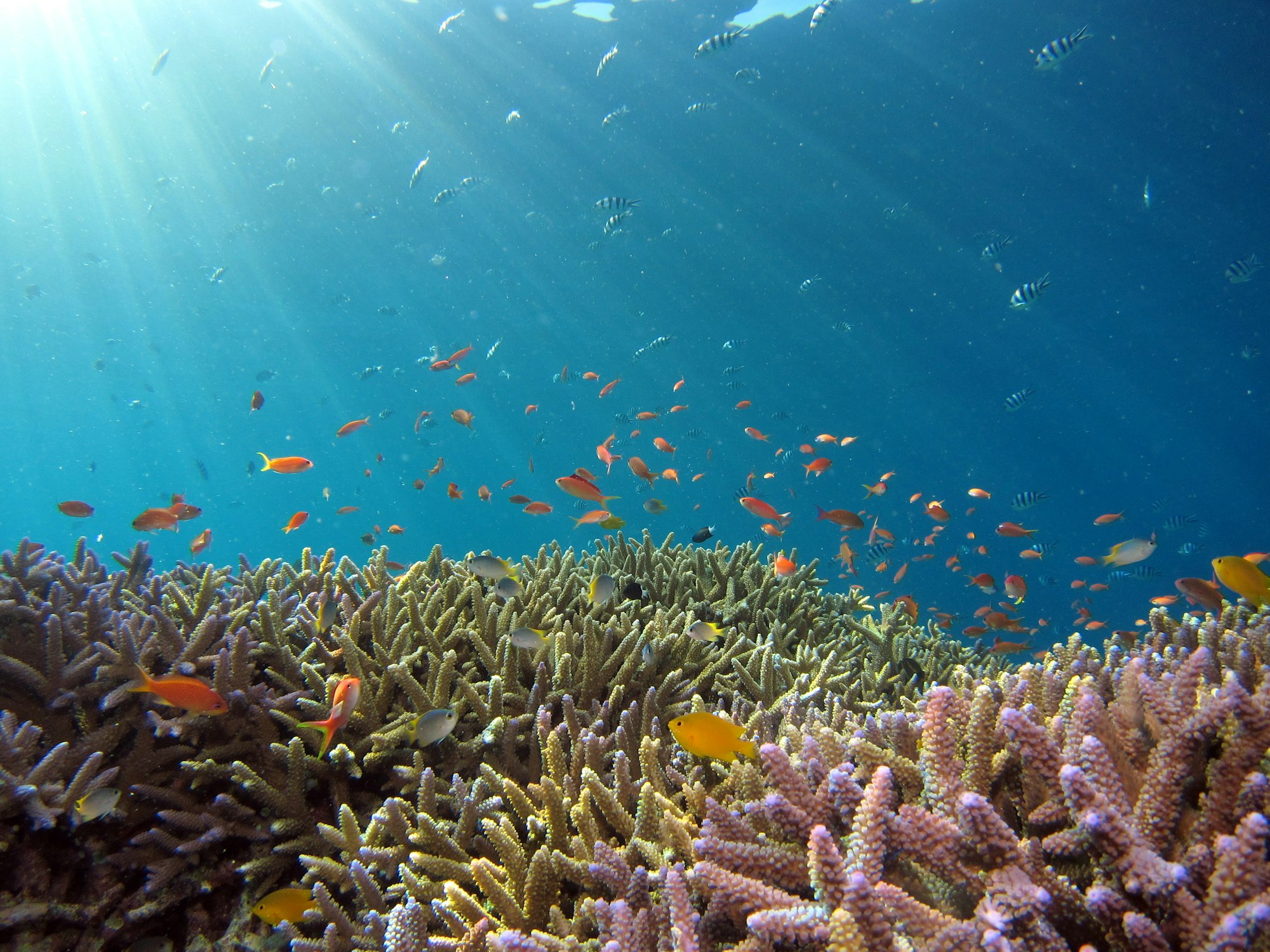
Gam Island is one of the karst limestone islands that defines the visual character of Raja Ampat, and Gam Ridge is a submerged extension of this island’s geological structure — a ridge running from the island into deeper water, its surface colonised by the dense coral growth typical of protected Raja Ampat reefs. The ridge formation channels current along its flanks, creating productive conditions that support good coral coverage and substantial fish populations. Trip reports describe “good corals and good quantity of fish,” with regular turtle sightings and clownfish in anemones throughout. A black moray eel hiding beneath coral heads is a memorable encounter that characterises the reef’s complexity. Visibility typically reaches 20-30 meters and water temperatures average 27-29°C.
Site Information
- Location: Raja Ampat, West Papua, Indonesia
- Entry Type: Boat dive
- Site Type: Reef
- Difficulty Level: Intermediate
- Maximum Depth: 25 meters
- Typical Visibility: 15-30 meters
- Current: Moderate, flows along the ridge
- Best Time: October to April
Marine Life
Sea turtles are regular sightings at Gam Ridge, often resting on or foraging the reef. Clownfish are abundant in carpet anemone patches throughout the shallow sections. Moray eels — including large black and honeycombed morphs — hide beneath coral heads along the ridge. Schools of anthias and fusiliers populate the water column above the ridge crest. Parrotfish and surgeonfish graze actively. Reef sharks are present at the ridge flanks, and Napoleon wrasse patrol with characteristic unhurried confidence.
Dive Profile
Descend to the ridge crest (5-8 meters) and follow the ridge in one direction, exploring both flanks as depth allows. The ridge runs to around 20-25 meters at its base. Current typically runs along the ridge rather than across it, making for a comfortable directional dive. Spend time at depth examining crevices for moray eels and other cryptic residents before ascending back up the ridge for the safety stop.
Entry and Exit
Access is by dive boat from Gam Island homestays or liveaboard operators. Entry via giant stride near the ridge crest. Current along the ridge may create a mild drift. Deploy SMB before ascending for boat pickup.
Tips and Recommendations
- Look carefully beneath coral heads and table corals for moray eels and groupers
- The anemone patches with resident clownfish are a reliable source of photographic subjects
- Gam Ridge works well as a first dive of the day given its accessible depth profile
- Combine with nearby Mangrove Ridge and Fuzzy Rock for a full Gam area diving day
- Dive slowly and methodically along both flanks of the ridge for the best species count
Safety Considerations
Current flows along the ridge and is generally manageable. Carry an SMB and dive within your certification limits. Maintain buoyancy throughout to avoid contact with the reef. Follow your guide’s direction regarding the preferred dive route along the ridge.
Photography
The ridge format suits wide-angle photography: compose along the ridge crest with depth on one side and the reef slope on the other. Turtle portraits are achievable given the animals’ frequent relaxed presence at this site. The moray eel encounters, while unpredictable, offer superb macro portrait opportunities. Clownfish in anemones are reliable close-up subjects throughout the shallow sections.
Sources: Papua Diving - Raja Ampat Dive Sites, Bluewater Dive Travel - Raja Ampat Diving, La Galigo Liveaboard - Top 10 Raja Ampat Dive Sites, Girls That Scuba - Scuba Diving Raja Ampat, PADI - Diving in Raja Ampat. Last updated 2026-04-04.
Sea-surface temperature and wave height from Open-Meteo Marine (ERA5 reanalysis, monthly averages).
145 verified species observations (75 species) logged within ~11 km of this site between 1929 and 2019, from the Ocean Biodiversity Information System.
- Dascyllus aruanus
- Mobula alfredi · Reef manta ray
- Eviota raja
- Eviota bifasciata
- Hoplolatilus
- Dermochelys coriacea · Leatherback sea turtle
- Ecsenius
- Apogon
- Eviota · Greenies
- Lepidochelys olivacea · Olive ridley
- Meiacanthus
- Nerita undulata
Scientific survey records skew toward sampled taxa (molluscs, corals) and do not reflect what you are guaranteed to see on a dive.
Source: OBIS (obis.org), aggregated Darwin Core occurrence records.
Conditions change with the tide and the season. If you have dived this site, share what it was actually like — date, visibility, current, and what you saw. Real, recent reports from divers are exactly what this guide is built to collect.
Send a conditions report ›