Imbekwan Bommies
0.3997°S 131.2043°E · pinnacle
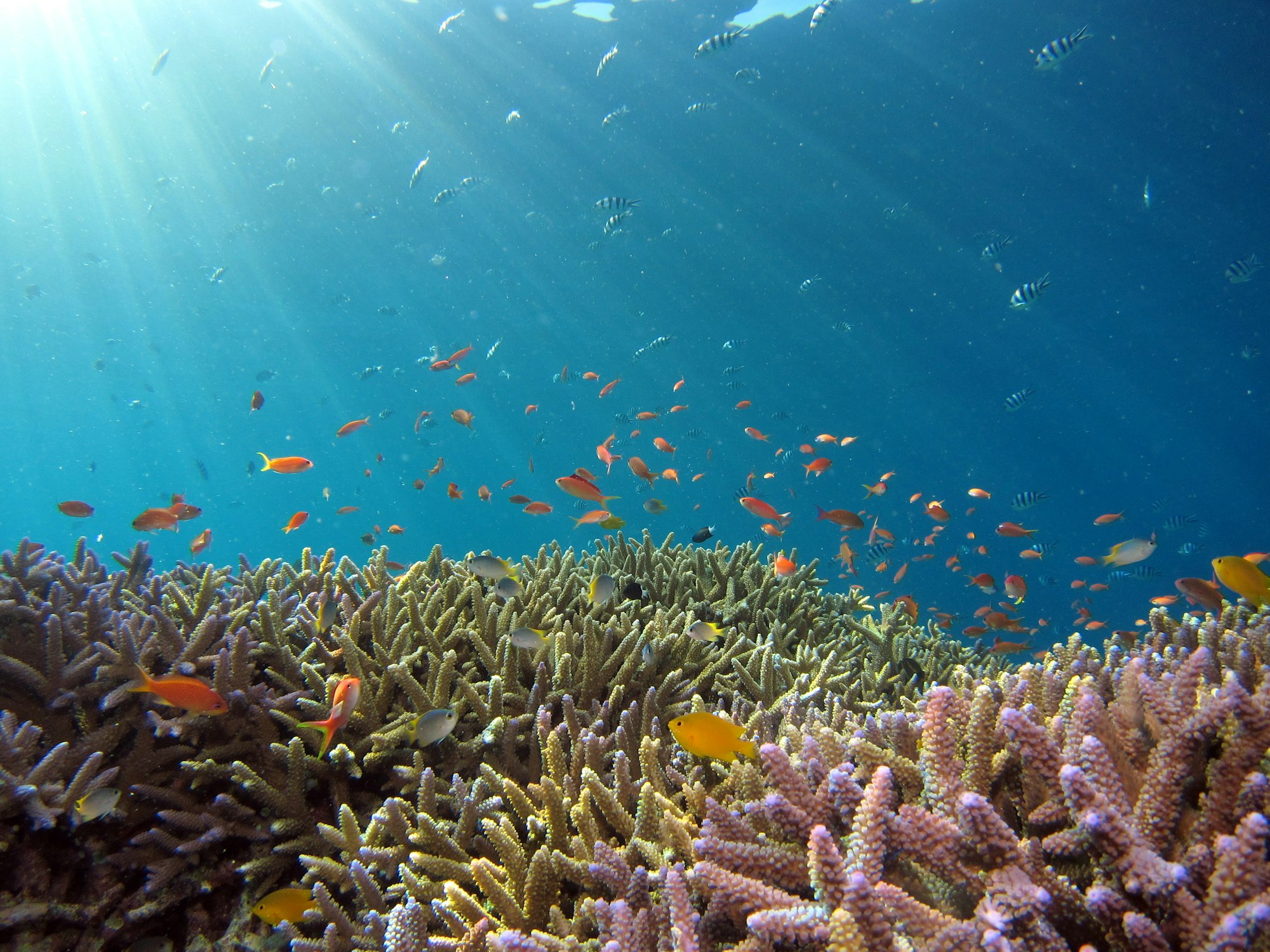
Imbekwan Bommies is a pinnacle and bommie dive site in the outer islands of Raja Ampat, West Papua, Indonesia. The site features a cluster of isolated coral heads (bommies) rising from a deeper sandy substrate — a formation that attracts concentrated marine life in the open water around the pinnacles.
Overview
Each bommie functions as a micro-ecosystem, drawing cleaning fish, shelter-seekers, and hunters to the same structure. Coral coverage is dense on the upper and mid-sections of each pinnacle, with encrusting sponges, sea fans, and tunicates covering the deeper sides. The spaces between bommies are productive hunting grounds for whitetip reef sharks, which rest in the sand during daylight hours and become more active as dusk approaches.
Schools of batfish circle the tallest pinnacles, while lionfish and scorpionfish occupy overhangs and ledges where they wait in ambush. Nudibranchs and flatworms crawl across encrusting growth, and cuttlefish are frequently spotted hovering near coral structures. The sandy channels between bommies hold garden eels and the occasional flamboyant cuttlefish for those who search carefully.
Visibility typically runs 15–25 metres. Water temperatures average 27–29°C. Currents can vary between bommies depending on tidal phase.
Marine Life
- Whitetip reef sharks resting on sand between bommies
- Schools of batfish around the tallest pinnacles
- Lionfish and scorpionfish in overhangs
- Nudibranchs and cuttlefish on encrusting growth
- Garden eels in sandy channels
Dive Profile
Divers navigate from bommie to bommie at 10–30 metres, spending time at cleaning stations and searching ledges for cryptic species. The multi-pinnacle layout rewards systematic exploration. Entry and exit are by boat.
Practical Information
- Depth range: 5–30 m
- Visibility: 15–25 m
- Current: Light to moderate
- Best time: October–April
- Water temperature: 27–29°C
- Entry: Boat
Sources: Papua Diving - Raja Ampat Dive Sites, Bluewater Dive Travel - Raja Ampat Diving, La Galigo Liveaboard - Top 10 Raja Ampat Dive Sites, Girls That Scuba - Scuba Diving Raja Ampat, PADI - Diving in Raja Ampat. Last updated 2026-04-04.
Sea-surface temperature and wave height from Open-Meteo Marine (ERA5 reanalysis, monthly averages).
35 verified species observations (34 species) logged within ~11 km of this site between 1999 and 2011, from the Ocean Biodiversity Information System.
- Novaculoides macrolepidotus · Seagrass Wrasse
- Scorpaenopsis papuensis · Papua Scorpionfish
- Siphamia fistulosa
- Gymnothorax microstictus · Smallspot Moray
- Moringua ferruginea · Intermediate Thrush-eel
- Moringua microchir · Common Worm Eel
- Diancistrus alleni · Allen's Coralbrotula
- Gymnothorax rueppelliae · Banded Moray
- Plesiops corallicola · Redspined Devilfish
- Plesiops coeruleolineatus · Banded Devilfish
- Uropterygius micropterus · Shortfin Snake Moray
- Abantennarius dorehensis · New Guinean Anglerfish
Scientific survey records skew toward sampled taxa (molluscs, corals) and do not reflect what you are guaranteed to see on a dive.
Source: OBIS (obis.org), aggregated Darwin Core occurrence records.
Conditions change with the tide and the season. If you have dived this site, share what it was actually like — date, visibility, current, and what you saw. Real, recent reports from divers are exactly what this guide is built to collect.
Send a conditions report ›