Koh
0.5530°S 130.6980°E · reef
Koh is a shallow reef dive in the eastern Dampier Strait near the Mansuar Island area, an accessible beginner and snorkeler-friendly site offering a sunlit coral garden at modest depths and a pleasant introduction to Raja Ampat reef diving.
Overview
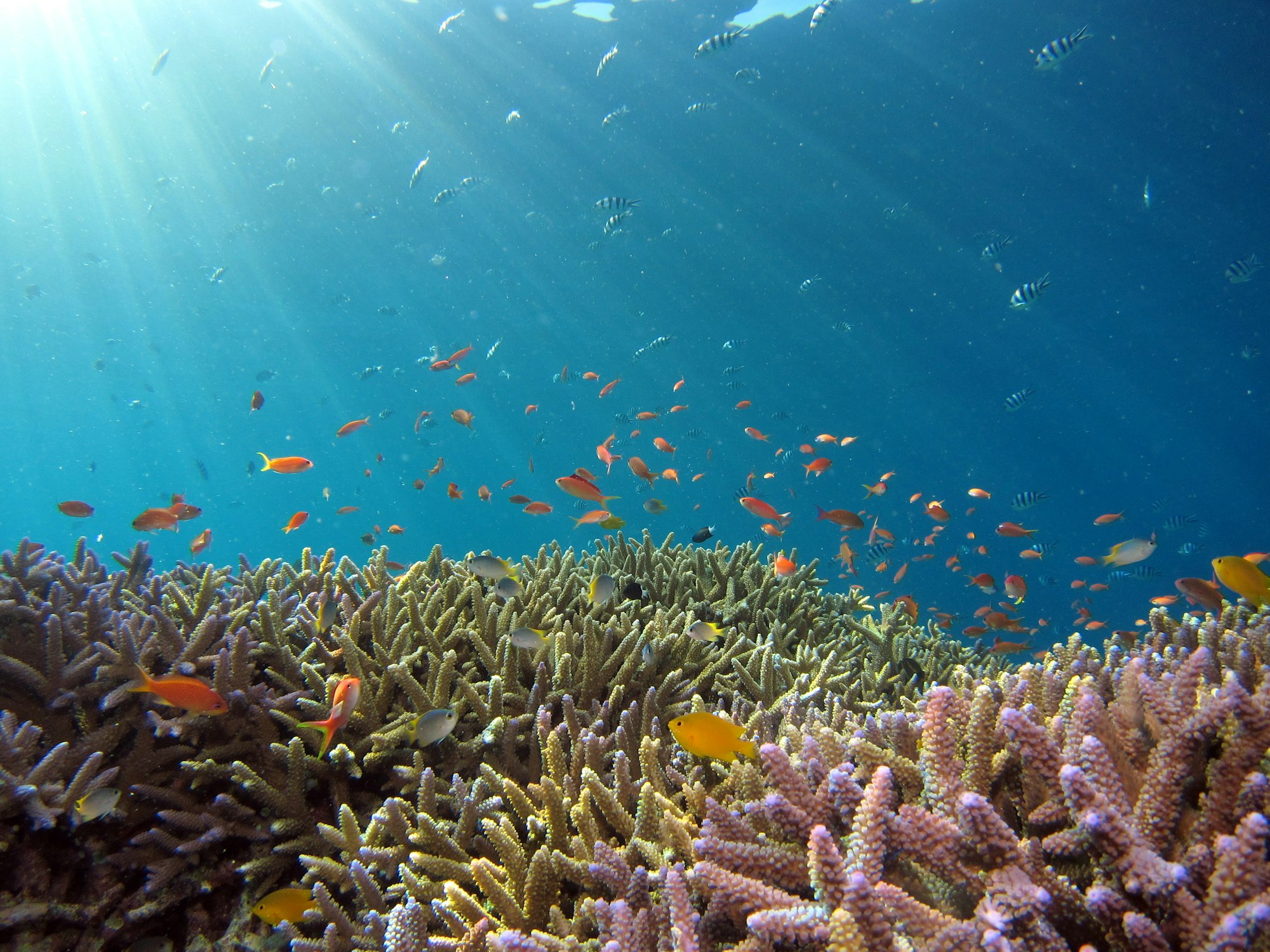
Koh is a shallow reef site ideally suited to new divers, snorkelers, and those who simply want to enjoy a relaxed dive in Raja Ampat’s extraordinarily biodiverse waters without depth or current challenges. The reef sits in clear, warm water at depths rarely exceeding 12 meters, making it an excellent location for those building experience, for surface intervals, or as a between-dive snorkel for liveaboard guests. Despite its modest depth, the reef reflects Raja Ampat’s remarkable marine richness — hard coral coverage is good, and the fish life is diverse. Water temperature averages 27–29°C with excellent visibility in the shallows.
Site Information
- Location: Raja Ampat, West Papua, Indonesia
- Entry Type: Boat dive
- Site Type: Reef
- Difficulty Level: Beginner
- Maximum Depth: 12 meters
- Typical Visibility: 15–25 meters (50–80 feet)
- Current: Typically mild; protected location
- Best Time: Year-round; excellent snorkeling site
Marine Life
The shallow reef supports colorful hard coral formations — branching Acropora, brain corals, and plate corals — with a vibrant community of reef fish. Clownfish are resident in several anemone colonies. Schools of anthias hover above every coral head. Parrotfish, surgeonfish, and butterflyfish pairs are abundant. Sea turtles regularly forage on the reef flat. The shallow water means excellent natural light throughout the dive, making identification and photography easy.
Dive Profile
A shallow, flat dive profile at 5–12 meters. Begin at the reef edge and drift slowly across the coral garden, spending time at each coral formation before moving on. There is no need to descend deep — the best life is in the 3–10 meter range where light is abundant. Safety stop in the shallows is effortless. Maximum dive time is only limited by air consumption in the shallows, which is typically excellent.
Entry and Exit
Boat access from eastern Dampier Strait operators or as an add-on from nearby dive sites. Calm, protected waters make entry and exit easy. The shallow reef top makes back-roll entry important to avoid landing on coral.
Tips and Recommendations
- Excellent as a surface interval snorkel or as a first dive for beginners in Raja Ampat
- The shallow conditions make photography easy — natural light is abundant at all depths
- Look in every anemone for resident clownfish pairs — multiple species are present
- Sea turtles are often approachable at this site — approach slowly and avoid chasing
- Combine with deeper sites nearby for a full day of contrasting dive experiences
Safety Considerations
One of Raja Ampat’s safest dive sites. The main consideration is avoiding coral contact on the shallow reef flat during entry and exit. No significant current or depth hazards. Standard safety stop applies even at shallow depths.
Photography
Excellent conditions for natural light reef photography. The shallow depth (3–12 meters) puts subjects in the “golden zone” for ambient light. Wide-angle coral garden shots, clownfish portraits in their anemones, and sea turtle encounters are the photographic highlights. No strobe is needed in the upper 8 meters on sunny mornings.
Sources: Papua Diving - Raja Ampat Dive Sites, Bluewater Dive Travel - Raja Ampat Diving, La Galigo Liveaboard - Top 10 Raja Ampat Dive Sites, Girls That Scuba - Scuba Diving Raja Ampat, PADI - Diving in Raja Ampat. Last updated 2026-04-04.
Sea-surface temperature and wave height from Open-Meteo Marine (ERA5 reanalysis, monthly averages).
262 verified species observations (110 species) logged within ~11 km of this site between 1995 and 2025, from the Ocean Biodiversity Information System.
- Acanthurus lineatus
- Ctenochaetus striatus
- Hippocampus bargibanti
- Hippocampus denise
- Hippocampus pontohi
- Pseudamia hayashii · Hayashi's Cardinalfish
- Pseudochromis fuscus · Brown Dottyback
- Cypho
- Chrysiptera
- Trimma xanthum · Yellow-red Pygmygoby
- Asterropteryx
- Hemiscyllium
Scientific survey records skew toward sampled taxa (molluscs, corals) and do not reflect what you are guaranteed to see on a dive.
Source: OBIS (obis.org), aggregated Darwin Core occurrence records.
Conditions change with the tide and the season. If you have dived this site, share what it was actually like — date, visibility, current, and what you saw. Real, recent reports from divers are exactly what this guide is built to collect.
Send a conditions report ›