Lalosi
0.5458°S 130.4964°E · reef
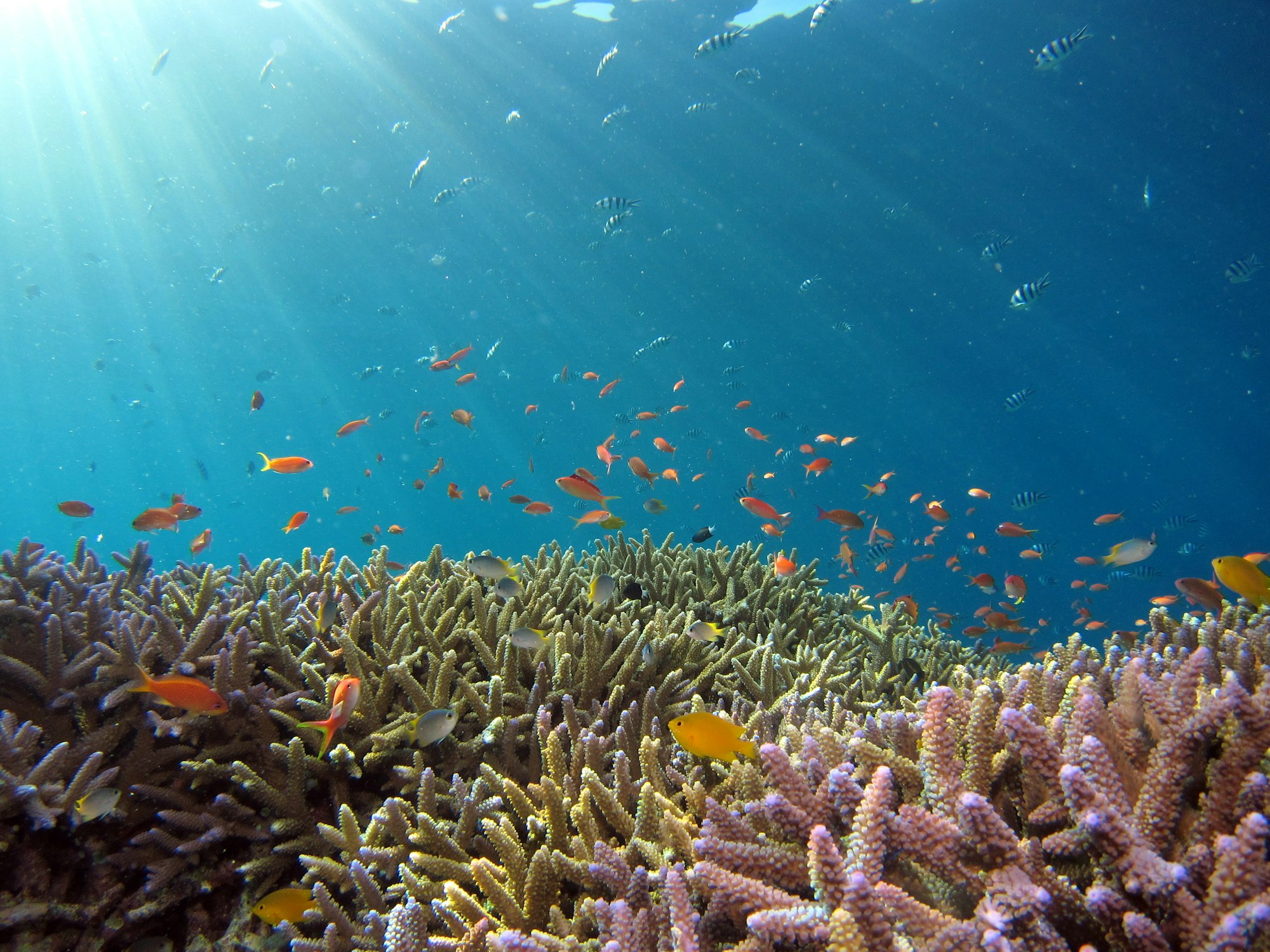
Lalosi is a reef dive site in the Dampier Strait of Raja Ampat, offering a solid tropical reef experience with good coral coverage and a representative sampling of the region’s extraordinary marine biodiversity.
Overview
Located in the western Dampier Strait, Lalosi is a reef site that rewards divers willing to slow down and appreciate the layered complexity of a healthy Raja Ampat reef. The site presents a sloping reef structure with hard coral gardens at shallower depths and soft coral, sea fans, and sponge communities at depth. Tidal exchange in the Dampier Strait keeps the water productive and the filter feeders extended. Water temperature averages 27–29°C and visibility is typically 12–20 meters.
Site Information
- Location: Raja Ampat, West Papua, Indonesia
- Entry Type: Boat dive
- Site Type: Reef
- Difficulty Level: Intermediate
- Maximum Depth: 25 meters
- Typical Visibility: 12–20 meters (40–65 feet)
- Current: Variable; moderate on tidal flow
- Best Time: October to April
Marine Life
Raja Ampat’s biodiversity benchmark applies fully at Lalosi: the region hosts over 1,500 fish species and 75% of all known coral species, and the reef at Lalosi reflects this richness. Schools of fusiliers swarm above the reef structure, butterflyfish pairs pick at coral polyps, and larger napoleon wrasse and bumphead parrotfish make occasional appearances. White-tip reef sharks patrol the reef edge. The reef substrate between coral heads is productive for macro hunters — nudibranchs, flatworms, and various crustaceans reward careful searching with a torch.
Dive Profile
Descend to the reef crest at 5–8 meters and work down the slope to around 20–25 meters. Spend time at each depth band as the species composition changes with depth. The upper zone is dominated by hard corals and their associated fish; the deeper slope transitions to more soft coral and sponge, with occasional resting sharks on the sand. Return slowly up the reef slope and end the dive in the productive shallows.
Entry and Exit
Boat access from liveaboards or operators working the western Dampier Strait. Entry via giant stride or back roll. Deploy SMB on ascent in the Dampier Strait’s active waterway.
Tips and Recommendations
- Take time to inspect sandy patches between coral heads for cryptic species
- Ask your guide about recent sightings — Raja Ampat guides know exactly which sites are currently productive
- A torch enhances the dive significantly for crevice and under-coral searching
- Pair with adjacent Dampier Strait sites like Citrus Ridge or Mayhem for a full-day itinerary
Safety Considerations
Standard intermediate reef diving protocols. Dampier Strait currents can be strong — follow tidal timing advice from your guide. Carry an SMB; the strait sees heavy liveaboard and speedboat traffic.
Photography
Lalosi offers reliable all-round reef photography. Hard coral gardens in the shallows, schooling fish in the mid-water zone, and macro life on the reef slope cover the full range. Natural light is good in the upper 15 meters during morning dives.
Sources: Papua Diving - Raja Ampat Dive Sites, Bluewater Dive Travel - Raja Ampat Diving, La Galigo Liveaboard - Top 10 Raja Ampat Dive Sites, Girls That Scuba - Scuba Diving Raja Ampat, PADI - Diving in Raja Ampat. Last updated 2026-04-04.
Sea-surface temperature and wave height from Open-Meteo Marine (ERA5 reanalysis, monthly averages).
148 verified species observations (75 species) logged within ~11 km of this site between 1999 and 2019, from the Ocean Biodiversity Information System.
- Dascyllus aruanus
- Mobula alfredi · Reef manta ray
- Hippocampus denise
- Hoplolatilus
- Diancistrus
- Atherinidae · Hardyheads
- Dermochelys coriacea · Leatherback sea turtle
- Ecsenius
- Ambassis · Glassies
- Periophthalmus argentilineatus · Barred Mudskipper
- Apogon
- Acentrogobius janthinopterus · Mangrove Goby
Scientific survey records skew toward sampled taxa (molluscs, corals) and do not reflect what you are guaranteed to see on a dive.
Source: OBIS (obis.org), aggregated Darwin Core occurrence records.
Conditions change with the tide and the season. If you have dived this site, share what it was actually like — date, visibility, current, and what you saw. Real, recent reports from divers are exactly what this guide is built to collect.
Send a conditions report ›