Mangrove and Slope
0.5154°S 130.4619°E · reef
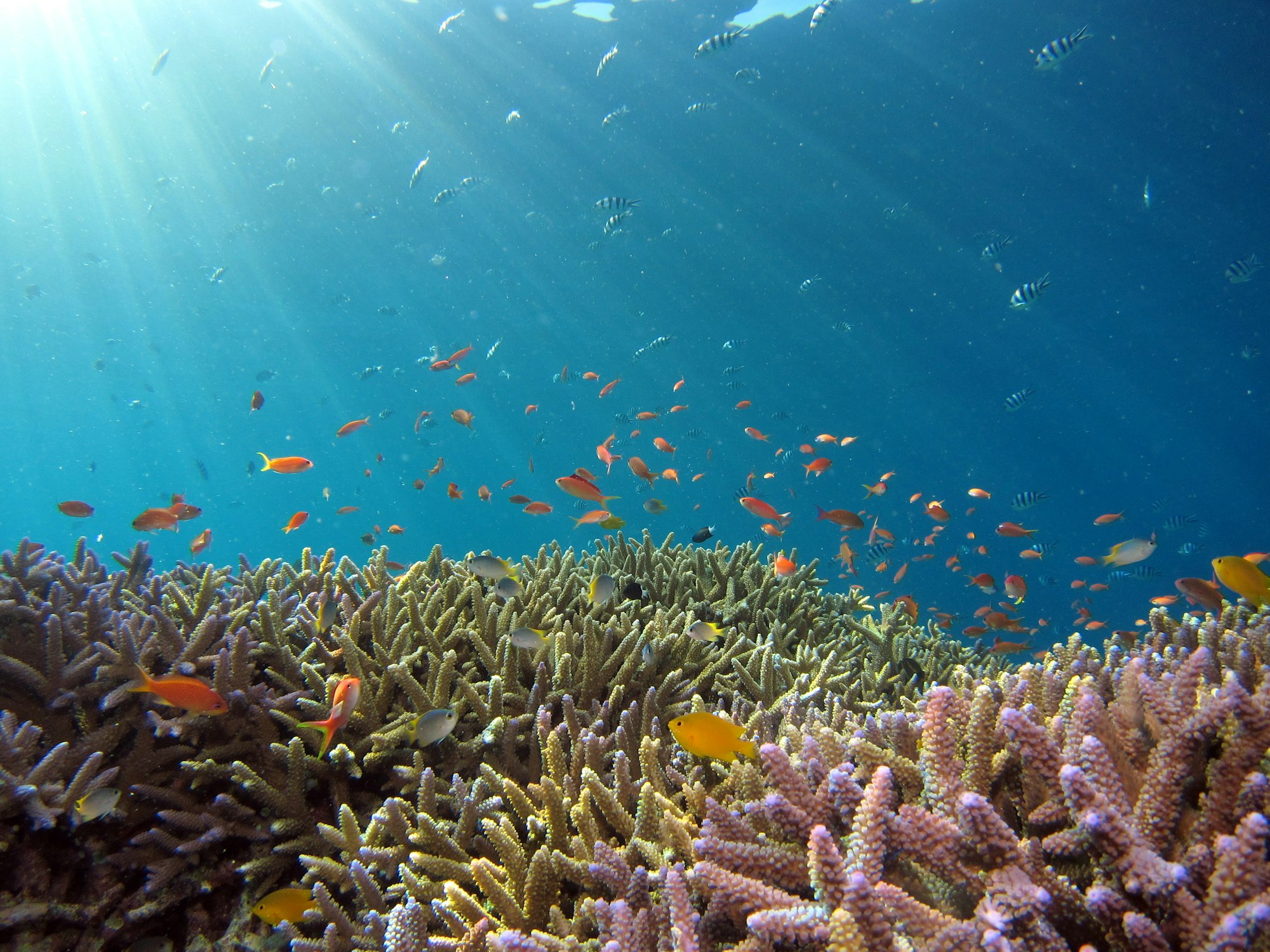
Mangrove and Slope is a mangrove-to-reef transition dive site in the Gam Island area of Raja Ampat, West Papua, Indonesia.
Overview
Mangrove and Slope is the most explicitly described dive site in the Gam area cluster: the site name documents the two environments that the dive traverses. Beginning in or adjacent to a mangrove zone, the dive transitions across the reef slope that descends from the mangrove margin into open water. This transition captures two distinct ecosystems within a single dive — the mangrove zone’s sheltered, root-dense nursery habitat and the open reef slope’s exposed, current-influenced community. The contrasting environments produce contrasting marine life, and the dive rewards naturalist divers who appreciate the ecological connectivity between these adjacent habitats. Visibility ranges from 10-20 meters in the mangrove zone to 20-30 meters on the open slope. Water temperatures average 27-29°C.
Site Information
- Location: Raja Ampat, West Papua, Indonesia
- Entry Type: Boat dive
- Site Type: Reef
- Difficulty Level: Intermediate
- Maximum Depth: 25 meters
- Typical Visibility: 10-30 meters (variable by zone)
- Current: Mild to moderate, tidal influence in mangrove zone
- Best Time: October to April
Marine Life
The mangrove zone shelters juvenile fish in densities that exceed the open reef — batfish, sweetlips, and snapper juveniles cluster among the roots. Epaulette sharks (the endemic Raja Ampat “walking sharks”) rest in the shallow root zone and are a realistic sighting for observant divers. Clownfish in anemones mark the transition to the reef slope. On the slope itself, the community opens up to the standard Raja Ampat suite: reef sharks, Napoleon wrasse, trevally, and sea turtles. Nudibranchs and flatworms populate the encrusting growth on the slope throughout. Banded sea kraits are occasional visitors traversing both habitats.
Dive Profile
Begin in the mangrove zone (2-8 meters) and take time to explore the root environment and its associated species. Move gradually to the reef slope as the mangrove zone ends, following the slope downward to around 20-25 meters. The transition between environments is ecologically interesting — observe how species change as habitat shifts. Return up the slope to finish with a safety stop in the shallow water between the mangrove margin and the slope.
Entry and Exit
Access is by dive boat. Entry near the mangrove margin via giant stride or from a beach if the operator uses a shore entry point. Tidal timing matters for mangrove access — plan with your guide. Deploy SMB before ascending from the slope for boat pickup.
Tips and Recommendations
- Time the dive near high tide for the best mangrove access
- Spend equal time in both habitats — the contrast between them is the site’s defining feature
- Search the root zone carefully for epaulette sharks
- Bring a torch for the mangrove zone even in daytime — the root canopy reduces ambient light
- The site suits divers interested in marine ecology as much as individual species encounters
Safety Considerations
Tidal currents in the mangrove zone can be variable. Maintain awareness of depth in the transition — the slope descends more steeply than the mangrove zone implies. Carry an SMB and deploy it before surfacing on the slope. Mangrove root systems can be navigationally confusing — stay with your guide.
Photography
Mangrove and Slope offers two very different photographic environments in a single dive. Wide-angle shots through mangrove roots with filtered light from above are atmospheric and distinctive. The reef slope provides classic Raja Ampat reef scenic photography. Macro work spans both zones: juvenile fish portraits in the roots and nudibranch/flatworm subjects on the encrusting growth of the slope. This is one of the more versatile photographic sites in the Gam area.
Sources: Papua Diving - Raja Ampat Dive Sites, Bluewater Dive Travel - Raja Ampat Diving, La Galigo Liveaboard - Top 10 Raja Ampat Dive Sites, Girls That Scuba - Scuba Diving Raja Ampat, PADI - Diving in Raja Ampat. Last updated 2026-04-04.
Sea-surface temperature and wave height from Open-Meteo Marine (ERA5 reanalysis, monthly averages).
151 verified species observations (77 species) logged within ~11 km of this site between 1929 and 2019, from the Ocean Biodiversity Information System.
- Dascyllus aruanus
- Mobula alfredi · Reef manta ray
- Hippocampus denise
- Eviota raja
- Eviota bifasciata
- Hoplolatilus
- Dermochelys coriacea · Leatherback sea turtle
- Ecsenius
- Apogon
- Eviota · Greenies
- Lepidochelys olivacea · Olive ridley
- Meiacanthus
Scientific survey records skew toward sampled taxa (molluscs, corals) and do not reflect what you are guaranteed to see on a dive.
Source: OBIS (obis.org), aggregated Darwin Core occurrence records.
Conditions change with the tide and the season. If you have dived this site, share what it was actually like — date, visibility, current, and what you saw. Real, recent reports from divers are exactly what this guide is built to collect.
Send a conditions report ›