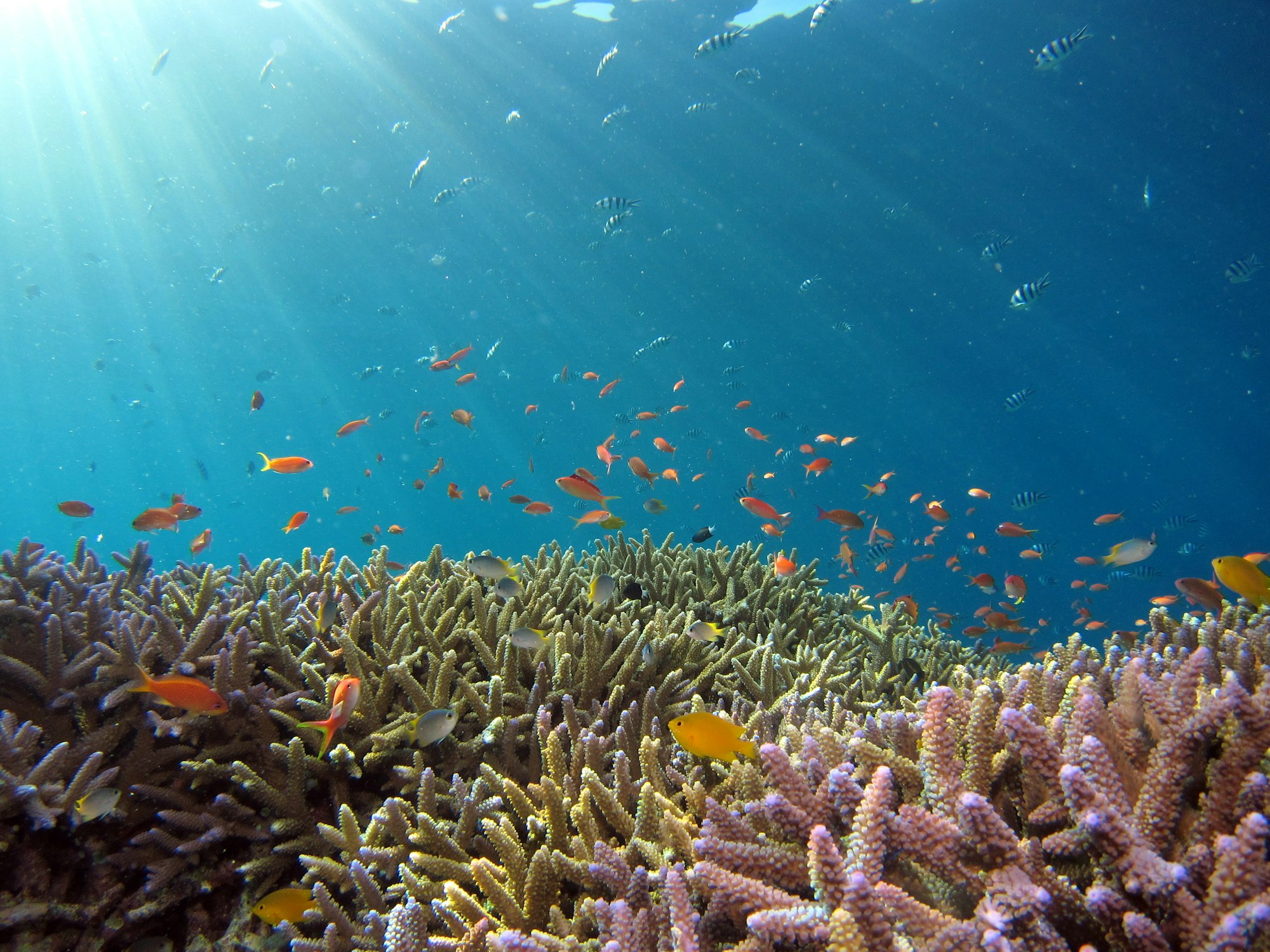
Mangrove Ridge
0.5130°S 130.4598°E · reef
Mangrove Ridge is a reef ridge dive site located adjacent to mangrove habitat in Raja Ampat, West Papua, Indonesia.
Overview
Mangrove Ridge sits within the cluster of closely spaced dive sites in the Gam Island area, positioned where a submerged reef ridge meets the influence of nearby mangrove ecosystems. This proximity to mangrove habitat gives the site an unusual ecological character: the nutrient input from the mangroves supports rich invertebrate life on the reef, and the ridge’s shallow sections border the transitional habitat where reef and mangrove meet. The ridge is colonised by both hard and soft coral growth, with the mangrove-adjacent shallows supporting juvenile fish communities sheltering in the transition zone. The combination of ridge terrain and mangrove influence makes this one of the more ecologically interesting sites in the Gam area. Visibility averages 15-25 meters and water temperatures remain 27-29°C.
Site Information
- Location: Raja Ampat, West Papua, Indonesia
- Entry Type: Boat dive
- Site Type: Reef
- Difficulty Level: Intermediate
- Maximum Depth: 25 meters
- Typical Visibility: 15-25 meters
- Current: Mild to moderate, tidal influence
- Best Time: October to April
Marine Life
The mangrove adjacency enriches the juvenile fish diversity along the ridge’s shallowest sections — juvenile batfish, sweetlips, and snappers use the transition zone as nursery habitat before moving to open reef. On the ridge itself, clownfish in anemones, resident groupers, and moray eels under coral heads are reliable sightings. Banded sea kraits are occasionally encountered traversing the reef. Reef sharks and Napoleon wrasse are present at the ridge’s deeper flanks. For macro enthusiasts, nudibranchs and flatworms on the soft coral sections of the ridge are excellent subjects.
Dive Profile
Begin at the ridge crest near the mangrove margin in the shallows (3-8 meters) and work along the ridge as it descends toward 20-25 meters. Spend time in the transition zone between mangrove root system and open reef — this area concentrates juvenile fish that are often overlooked at more open-water sites. Descend the ridge flanks to observe the deeper community before returning to the crest for the safety stop.
Entry and Exit
Access is by dive boat. Entry near the ridge crest via giant stride. Tidal currents may influence conditions — check timing with your guide. Deploy SMB before ascending. The site is typically accessed from Gam Island homestays or liveaboard operators anchored in the Gam area.
Tips and Recommendations
- Explore the mangrove-reef transition zone slowly — juvenile fish here can be surprisingly varied
- Compare the community on the ridge with nearby Gam Ridge and Mangrove and Slope for interesting ecological contrasts
- The site suits naturalist divers who appreciate the ecological story as much as individual encounters
- Tidal timing affects conditions in the shallows — morning dives at or near high tide are usually best
- The site works well as a second or third dive combining with deeper nearby sites
Safety Considerations
Tidal current can run along the ridge and through the mangrove transition zone. Stay close to your guide in the shallows where currents may be unpredictable. Maintain buoyancy to avoid contact with both the coral ridge and mangrove structures. Carry an SMB. Dive within your certification limits.
Photography
The mangrove-ridge transition is visually distinctive and photographically productive. Wide-angle shots through the mangrove margin with the ridge dropping away into depth create unusual compositions. The juvenile fish population in the transition zone offers compelling macro and close-up subjects. The ridge flanks with coral growth at depth suit traditional reef scenic wide-angle work.
Sources: Papua Diving - Raja Ampat Dive Sites, Bluewater Dive Travel - Raja Ampat Diving, La Galigo Liveaboard - Top 10 Raja Ampat Dive Sites, Girls That Scuba - Scuba Diving Raja Ampat, PADI - Diving in Raja Ampat. Last updated 2026-04-04.
Sea-surface temperature and wave height from Open-Meteo Marine (ERA5 reanalysis, monthly averages).
145 verified species observations (75 species) logged within ~11 km of this site between 1929 and 2019, from the Ocean Biodiversity Information System.
- Dascyllus aruanus
- Mobula alfredi · Reef manta ray
- Eviota raja
- Eviota bifasciata
- Hoplolatilus
- Dermochelys coriacea · Leatherback sea turtle
- Ecsenius
- Apogon
- Eviota · Greenies
- Lepidochelys olivacea · Olive ridley
- Meiacanthus
- Nerita undulata
Scientific survey records skew toward sampled taxa (molluscs, corals) and do not reflect what you are guaranteed to see on a dive.
Source: OBIS (obis.org), aggregated Darwin Core occurrence records.
Conditions change with the tide and the season. If you have dived this site, share what it was actually like — date, visibility, current, and what you saw. Real, recent reports from divers are exactly what this guide is built to collect.
Send a conditions report ›