Manta Ridge
0.5617°S 130.5373°E · reef
SAFETY-CRITICAL CORRECTION: Manta Ridge is rated Advanced — NOT Beginner or Intermediate. Multiple sources explicitly warn this site has mandatory reef hook requirements and documented dangerous down-currents on ascent. Do not dive this site without Advanced certification and experience with strong currents. The functional manta observation zone is 5–20m; the full site extends to 40m.
Overview
The site consists of a sloping ridge running through relatively shallow water, making it well-suited for extended observation time without deep-water decompression concerns. Divers typically position themselves low on the reef while mantas circle overhead at the cleaning stations, where wrasse and other cleaner fish pick parasites from the rays’ undersides.
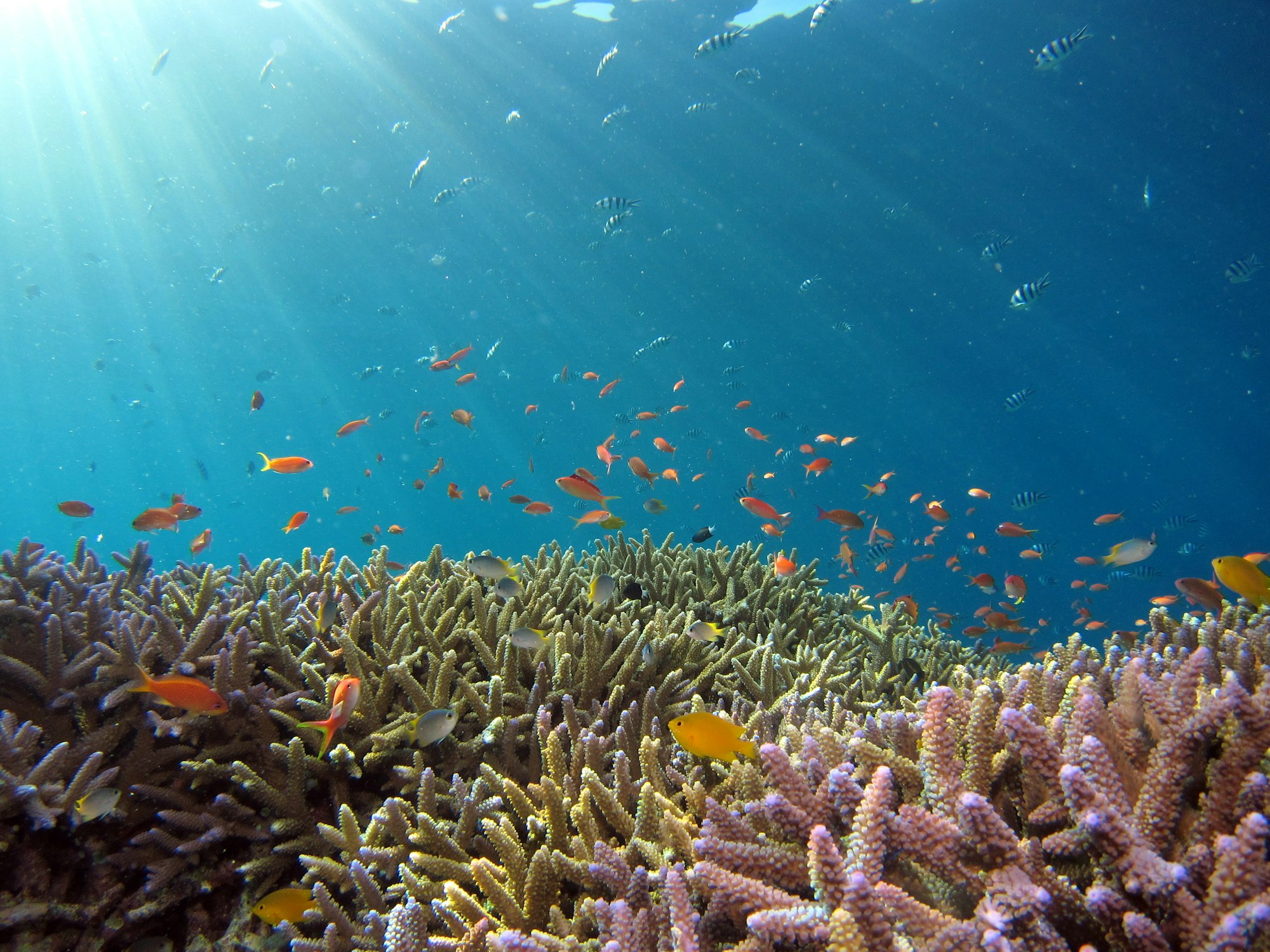
On current-rich days, mantas may be seen filter-feeding in the water column, performing slow barrel rolls with their cephalic fins extended to funnel plankton. Multiple mantas are commonly present simultaneously. The surrounding reef is carpeted in hard corals and encrusting sponges, with good populations of reef fish along the ridge crest.
Visibility averages 15–25 metres. Water temperatures range from 27–30°C. Currents can run moderately strong, making buoyancy control important to avoid disturbing the mantas or the reef.
Marine Life
Sources confirmed at this specific site (diveconcepts.com, lagaligoliveaboard.com, padi.com, rajaampatdiveexperience.com): oceanic mantas in groups of 5–30, including some entirely black (melanistic) individuals; pilot fish; cobias; golden trevallies; blacktip reef sharks.
Practical Information
- Depth range: 5–40 m (manta observation zone: 5–20m)
- Difficulty: Advanced — mandatory reef hook; documented dangerous down-currents on ascent
- Visibility: 15–25 m
- Current: Strong; advanced management required
- Best time: October–April; mantas present year-round
- Water temperature: 27–30°C
- Entry: Boat; reef hook required
Safety
This site carries documented safety risk from down-currents during ascent. A reef hook is mandatory equipment, not optional. Do not attempt without Advanced OWD and experience managing strong current environments. Multiple sources flag this as Advanced-only.
Sources: Dive Concepts, La Galigo Liveaboard, PADI, Raja Ampat Dive Experience. Last updated 2026-06-27.
Sea-surface temperature and wave height from Open-Meteo Marine (ERA5 reanalysis, monthly averages).
71 verified species observations (47 species) logged within ~11 km of this site between 1999 and 2019, from the Ocean Biodiversity Information System.
- Mobula alfredi · Reef manta ray
- Hippocampus denise
- Hoplolatilus
- Diancistrus
- Atherinidae · Hardyheads
- Dermochelys coriacea · Leatherback sea turtle
- Ambassis · Glassies
- Periophthalmus argentilineatus · Barred Mudskipper
- Acentrogobius janthinopterus · Mangrove Goby
- Acreichthys tomentosus · Banded Leather-jacket
- Lepidochelys olivacea · Olive ridley
- Meiacanthus
Scientific survey records skew toward sampled taxa (molluscs, corals) and do not reflect what you are guaranteed to see on a dive.
Source: OBIS (obis.org), aggregated Darwin Core occurrence records.
Conditions change with the tide and the season. If you have dived this site, share what it was actually like — date, visibility, current, and what you saw. Real, recent reports from divers are exactly what this guide is built to collect.
Send a conditions report ›