Otdima Reef
0.5403°S 130.6309°E · reef
Otdima Reef is a reef dive site near the Ot Di Ma area of Raja Ampat, West Papua, Indonesia.
Overview
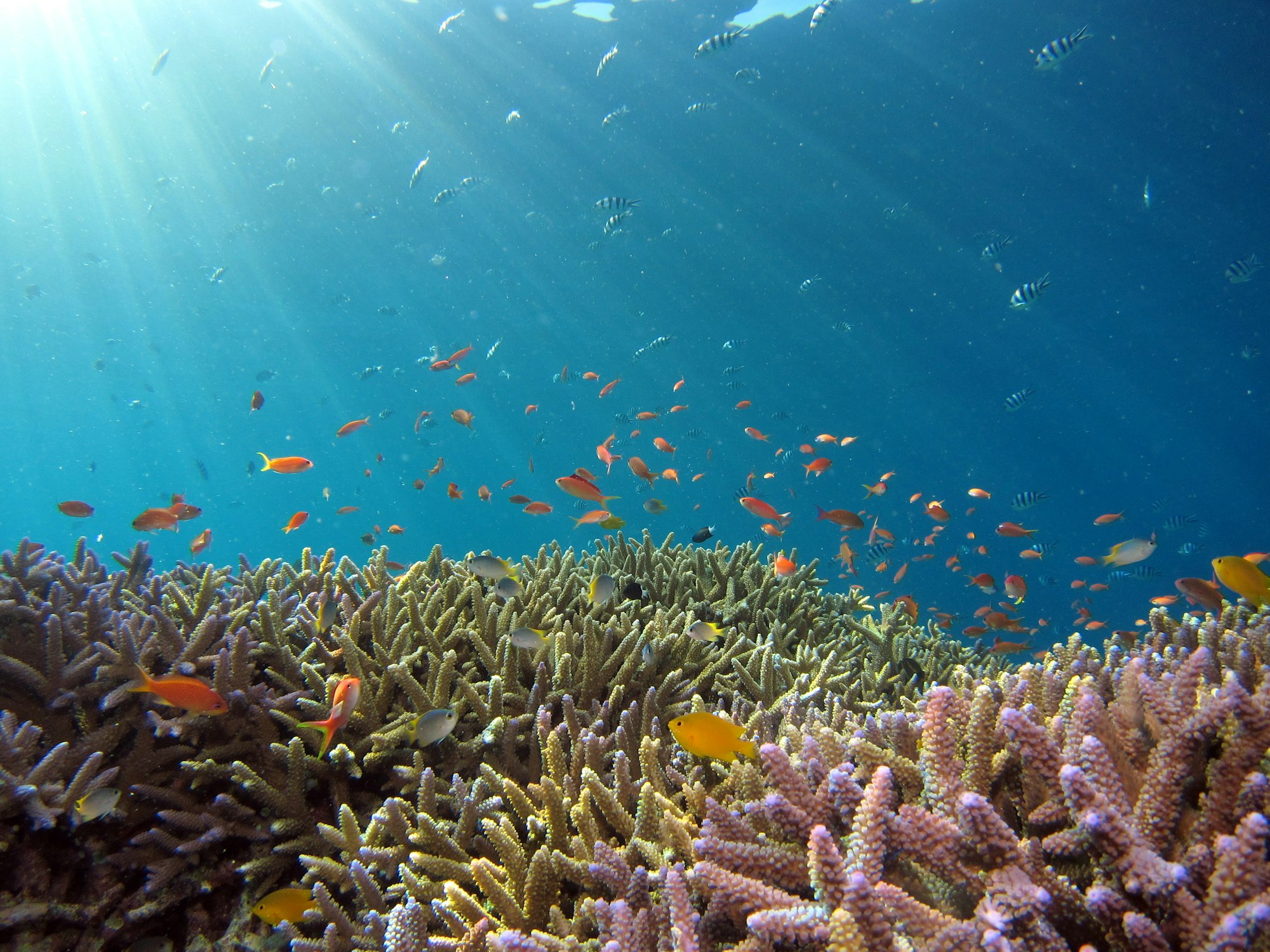
Otdima Reef takes its name from the Ot Di Ma area, a local Papuan place name in the central Raja Ampat island group. The reef sits adjacent to its nearby neighbour Ot Di Ma, offering a distinct dive site with its own character. Otdima Reef features a mixed reef structure of hard coral bommies and sloping reef, with the characteristic high diversity that defines Raja Ampat’s marine protected area network. Currents sweeping across the reef maintain the coral health and create favourable conditions for fish aggregation. With 27 meters maximum depth, the site allows time to explore the full reef profile without entering decompression territory. Visibility typically reaches 20-30 meters and water temperatures average 27-29°C.
Site Information
- Location: Raja Ampat, West Papua, Indonesia
- Entry Type: Boat dive
- Site Type: Reef
- Difficulty Level: Intermediate
- Maximum Depth: 27 meters
- Typical Visibility: 15-30 meters
- Current: Moderate, variable
- Best Time: October to April
Marine Life
The reef at Otdima supports diverse hard coral coverage across its slope, with large table corals, branching Acropora formations, and encrusting massive corals at different depth zones. Fish diversity is high: large schools of anthias and fusiliers over the reef crest, hunting trevally and mackerel in the water column, and the patient reef-dwellers — groupers, Napoleon wrasse, and moray eels — occupying cavities in the structure. Reef sharks patrol regularly. Sea turtles are common visitors. Macro life on the encrusting growth rewards careful observation.
Dive Profile
Begin at the reef crest (5-8 meters) and follow the reef slope downward, noting changes in coral community structure as depth increases. The bommie terrain between 10-20 meters is particularly rich. At 20-27 meters, the deeper rubble zone hosts different species. Plan gas consumption to allow adequate time on the ascent and a full 3-minute safety stop at 5 meters.
Entry and Exit
Access is by dive boat from local homestay or liveaboard operators. Entry via giant stride near the reef top. Your guide will orient the dive direction based on current. Deploy SMB before ascending for boat pickup.
Tips and Recommendations
- Compare the dive experience with nearby Ot Di Ma — the two sites offer different perspectives on the same area’s reef ecosystem
- Look for large table corals at mid-depth: they often shelter small fish species beneath their canopies
- The site suits intermediate divers well — conditions are typically manageable and the depth range is accessible
- Morning dives benefit from better light in the shallows
Safety Considerations
Moderate currents may develop. Carry an SMB and maintain awareness of your depth and air supply. The 27-meter maximum depth means careful gas management is needed for divers using standard 12-litre cylinders. Dive within your certification limits.
Photography
The mixed hard coral terrain at Otdima Reef is ideal for wide-angle reef scenic photography. Table corals provide excellent foreground structures. Fish portraits are achievable with patient positioning. The 20-27 meter zone offers different lighting conditions than the shallows — a dive light helps bring out the colour in encrusting sponges and coral.
Sources: Papua Diving - Raja Ampat Dive Sites, Bluewater Dive Travel - Raja Ampat Diving, La Galigo Liveaboard - Top 10 Raja Ampat Dive Sites, Girls That Scuba - Scuba Diving Raja Ampat, PADI - Diving in Raja Ampat. Last updated 2026-04-04.
Sea-surface temperature and wave height from Open-Meteo Marine (ERA5 reanalysis, monthly averages).
288 verified species observations (127 species) logged within ~11 km of this site between 1995 and 2025, from the Ocean Biodiversity Information System.
- Acanthurus lineatus
- Ctenochaetus striatus
- Hippocampus bargibanti
- Hippocampus denise
- Hippocampus pontohi
- Mobula alfredi · Reef manta ray
- Pseudamia hayashii · Hayashi's Cardinalfish
- Pseudochromis fuscus · Brown Dottyback
- Cypho
- Trimma xanthum · Yellow-red Pygmygoby
- Diancistrus
- Asterropteryx
Scientific survey records skew toward sampled taxa (molluscs, corals) and do not reflect what you are guaranteed to see on a dive.
Source: OBIS (obis.org), aggregated Darwin Core occurrence records.
Conditions change with the tide and the season. If you have dived this site, share what it was actually like — date, visibility, current, and what you saw. Real, recent reports from divers are exactly what this guide is built to collect.
Send a conditions report ›