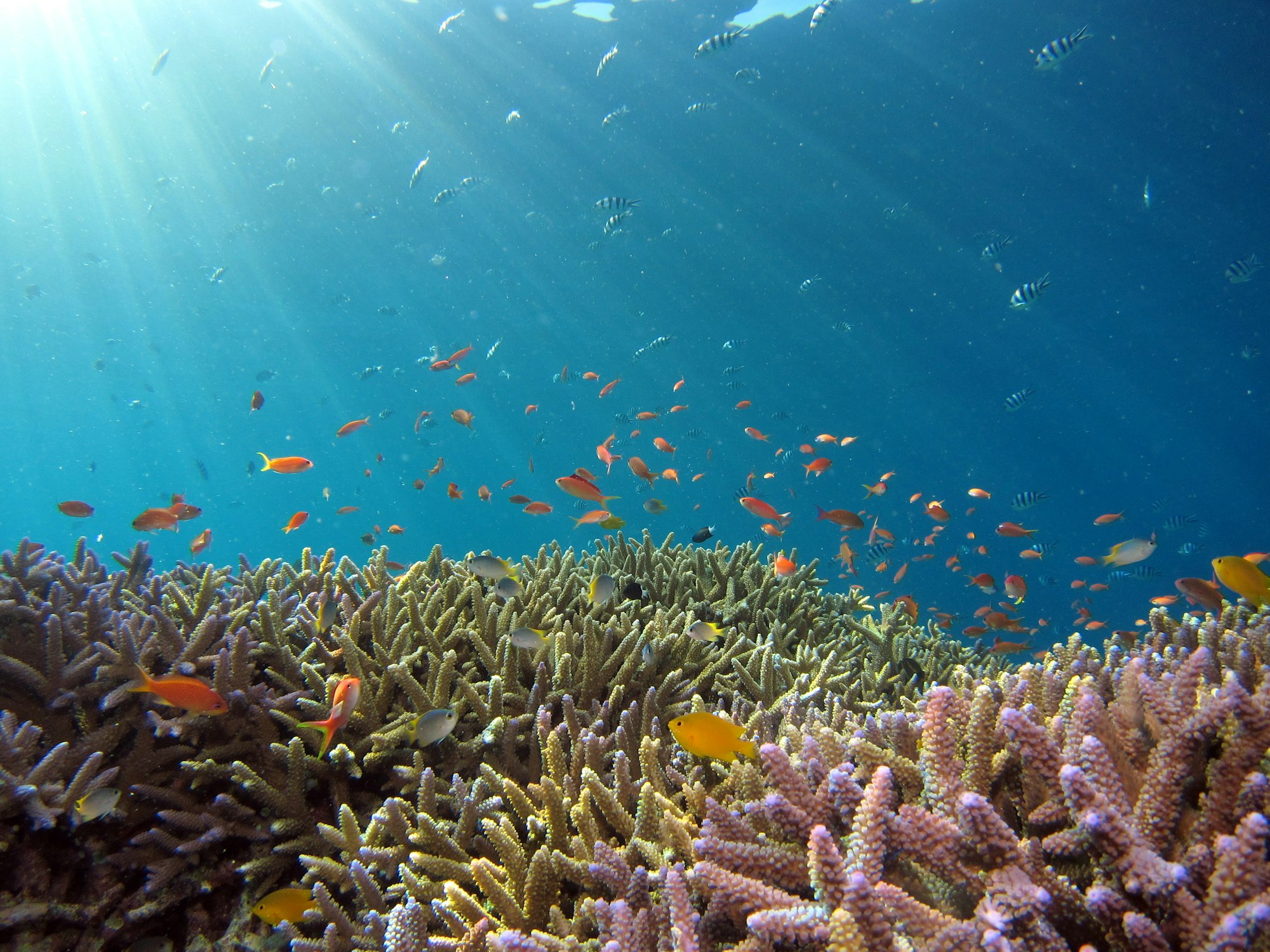
Sawandarek Jetty
0.5898°S 130.6033°E · reef
Sawandarek Jetty is Raja Ampat’s most famous macro and critter dive — a humble jetty structure on the reef flat of Waigeo Island’s southern coast that harbors an extraordinary density of small marine life, and is the best-known site in Indonesia for observing the spectacular mandarin fish (Synchiropus splendidus) at dusk.
Overview
The wooden jetty at the village of Sawandarek sits above a shallow rubble and coral reef that might seem unremarkable at first glance. Look closer, and the site reveals itself as one of Raja Ampat’s most rewarding critter dives. The jetty’s pilings are home to pygmy seahorses, ghost pipefish, frogfish, cuttlefish, and an enormous variety of nudibranchs. But the star attraction appears only at dusk: the mandarin fish, one of the most vivid and intricate-looking fish on the planet, emerges from rubble pockets in the shallows to engage in its brief evening courtship display before mating at sunset. Water temperature averages 27–29°C.
Site Information
- Location: Raja Ampat, West Papua, Indonesia
- Entry Type: Boat dive
- Site Type: Reef
- Difficulty Level: Beginner
- Maximum Depth: 28 meters
- Typical Visibility: 8–15 meters (26–50 feet)
- Current: Typically minimal in protected location
- Best Time: Year-round; mandarin fish display at dusk daily
Marine Life
Sources confirmed at this specific site (padi.com, meridianadventuredive.com, birdsheadseascape.com, scubaboard.com): mandarin fish (Synchiropus splendidus) emerging at dusk for their courtship ritual; a resident green sea turtle nicknamed “Turtle City” (confirmed); schooling batfish that follow divers; blue-ringed octopus on night dives; coral restoration project structures in the form of metal manta ray frames. The jetty pilings and surrounding rubble reef host pygmy seahorses, ghost pipefish, and nudibranch species.
Dive Profile
Daytime dives explore the jetty pilings and surrounding rubble reef, searching for macro subjects at 5–15 meters. The guide will identify cryptic subjects that are easy to miss without local knowledge. For the mandarin fish display, arrive at the site approximately 30 minutes before sunset and position in the rubble shallows at 1–3 meters. As light fades, mandarins begin emerging — stay still, breathe slowly, and allow them to display naturally. The display peak is approximately 15–20 minutes before complete darkness.
Entry and Exit
Access by boat from homestays or liveaboards in the Dampier Strait. Entry is via ladder from the jetty or by giant stride from the boat. The shallow, protected location makes entry and exit straightforward. A torch is essential for late dusk dives; a backup torch is recommended.
Tips and Recommendations
- Arrive before sunset for the mandarin fish — this is non-negotiable for the display
- Use a red dive torch or very dim light when watching mandarins; bright lights disturb the display
- Ask your guide to show you the display area in advance during a daytime orientation dive
- For macro photography, pre-set your camera for the low-light dusk conditions before entering
- The jetty dive pairs perfectly with a morning macro dive — consider booking the site twice
- Blue-ringed octopus are present in the rubble; never handle any octopus here
Safety Considerations
This is an exceptionally safe site for diving — shallow, protected, and low-current. The main hazard is low-light diving at dusk; carry adequate torch capacity. Blue-ringed octopus are highly venomous and occasionally found in the rubble — never touch or handle any octopus. Boat traffic around the jetty requires a dive flag during the entry/exit phase.
Photography
Mandarin fish photography at dusk is the bucket-list shot. A macro lens (60mm or 100mm equivalent) and fast strobe is essential — natural light is insufficient at dusk. Focus on the courtship pairing rise in the water column with a manual pre-focus and anticipate the upward swimming trajectory. For the jetty critter life, a macro rig with a good torch and a nudibranch book in your BCD pocket will maximize identifications.
Sources: PADI, Meridian Adventure Dive, Bird’s Head Seascape, ScubaBoard. Last updated 2026-06-27.
Sea-surface temperature and wave height from Open-Meteo Marine (ERA5 reanalysis, monthly averages).
274 verified species observations (112 species) logged within ~11 km of this site between 1998 and 2025, from the Ocean Biodiversity Information System.
- Acanthurus lineatus
- Ctenochaetus striatus
- Hippocampus denise
- Hippocampus bargibanti
- Mobula alfredi · Reef manta ray
- Hippocampus pontohi
- Pseudochromis fuscus · Brown Dottyback
- Cypho
- Diancistrus
- Atherinidae · Hardyheads
- Hemiscyllium
- Pseudamia hayashii · Hayashi's Cardinalfish
Scientific survey records skew toward sampled taxa (molluscs, corals) and do not reflect what you are guaranteed to see on a dive.
Source: OBIS (obis.org), aggregated Darwin Core occurrence records.
Conditions change with the tide and the season. If you have dived this site, share what it was actually like — date, visibility, current, and what you saw. Real, recent reports from divers are exactly what this guide is built to collect.
Send a conditions report ›