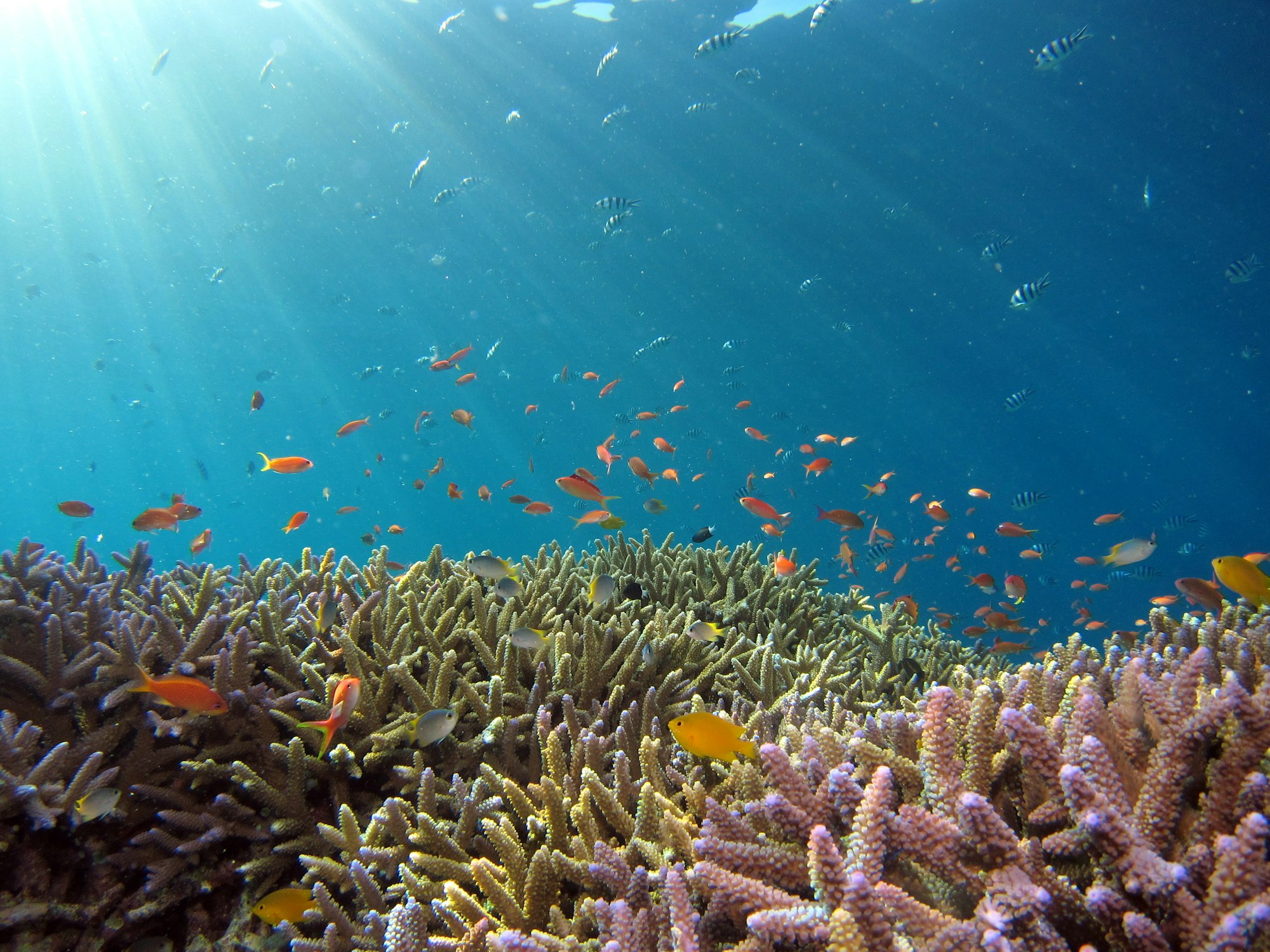
Swallope
1.2759°S 129.6614°E · wall
Swallope is a wall dive site in the far southern reaches of Raja Ampat, West Papua, Indonesia.
Overview
Swallope is located at the southernmost extent of the Raja Ampat archipelago, an area of exceptional wall diving that receives far fewer divers than the northern Dampier Strait sites. The wall at Swallope descends sharply from a shallow reef crest, its face densely colonised by encrusting growth that thrives in the nutrient-rich currents of the outer islands. This part of Raja Ampat is dominated by pristine reefs that have seen minimal fishing pressure, and the result is marine life in exceptional abundance. The isolation of the site means encounters tend to be intimate — animals are less habituated to divers and may display more natural behaviour. Visibility typically reaches 25-35 meters and water temperatures average 27-29°C.
Site Information
- Location: Raja Ampat, West Papua, Indonesia
- Entry Type: Boat dive
- Site Type: Wall dive
- Difficulty Level: Intermediate
- Maximum Depth: 25 meters
- Typical Visibility: 20-35 meters
- Current: Moderate to strong, variable
- Best Time: October to April
Marine Life
Swallope’s wall supports exceptional gorgonian sea fan development, with fans reaching impressive size due to the strong current supply. Pygmy seahorses can be found on appropriately coloured fans. The overhangs host grouper, sweetlips, and various reef fish sheltering from the current. Reef sharks cruise the wall edge. The open water off the wall draws pelagic visitors: Napoleon wrasse, eagle rays, and barracuda are regularly reported. Sea turtles are resident and frequently encountered. The wall’s encrusting sponges and soft corals support rich macro life.
Dive Profile
Descend to the wall top and begin exploration between 10-20 meters — this is where sea fan development is most impressive. The wall drops below 25 meters; exercise strict depth management. Work along the wall face, spending extra time at overhangs and sea fan concentrations. Finish with a shallow reef top safety stop. Strong current may make this a one-direction drift wall dive; discuss the plan with your guide beforehand.
Entry and Exit
Access is exclusively by liveaboard — the remote southern location is beyond day-trip range from most bases. Entry via giant stride in calm or manageable current. Coordinate the drift and exit plan with the liveaboard captain before entering the water. Deploy SMB at 5 meters for pickup.
Tips and Recommendations
- This site rewards divers who visit the southern Raja Ampat circuit on liveaboard itineraries
- Check large sea fans systematically for pygmy seahorses
- Bring a dive light for the overhangs even on day dives
- The remote location means fewer divers — enjoy the solitude and take time
- Evening dives, when currents typically ease, can be particularly productive for wall observation
Safety Considerations
The southern Raja Ampat location means distances from emergency services are considerable — dive conservatively and within your experience. Currents at outer island walls can be strong and variable. Always carry an SMB. Monitor gas consumption carefully as return to the liveaboard requires an ascent in open water.
Photography
The exceptional sea fan development at Swallope provides outstanding wide-angle compositions: position yourself off the wall and shoot along the fan faces with depth visible below. The pristine condition of the reef means coral scenics are stunning throughout. The remote location and low diver traffic often result in very relaxed marine life — patient photographers can achieve intimate portraits of reef sharks and grouper at close range.
Sources: Papua Diving - Raja Ampat Dive Sites, Bluewater Dive Travel - Raja Ampat Diving, La Galigo Liveaboard - Top 10 Raja Ampat Dive Sites, Girls That Scuba - Scuba Diving Raja Ampat, PADI - Diving in Raja Ampat. Last updated 2026-04-04.
Sea-surface temperature and wave height from Open-Meteo Marine (ERA5 reanalysis, monthly averages).
114 verified species observations (37 species) logged within ~11 km of this site between 1956 and 2010, from the Ocean Biodiversity Information System.
- Priolepis vexilla
- Trimma yanoi
- Trimma taylori
- Trimma benjamini
- Trimma stobbsi
- Enneapterygius tutuilae
- Pleurosicya mossambica
- Priolepis nocturna
- Fusigobius gracilis
- Bryaninops natans
- Pleurosicya micheli
- Odonus niger
Scientific survey records skew toward sampled taxa (molluscs, corals) and do not reflect what you are guaranteed to see on a dive.
Source: OBIS (obis.org), aggregated Darwin Core occurrence records.
Conditions change with the tide and the season. If you have dived this site, share what it was actually like — date, visibility, current, and what you saw. Real, recent reports from divers are exactly what this guide is built to collect.
Send a conditions report ›